
Productivity Hacks: 5 Simple Steps to Beat Procrastination
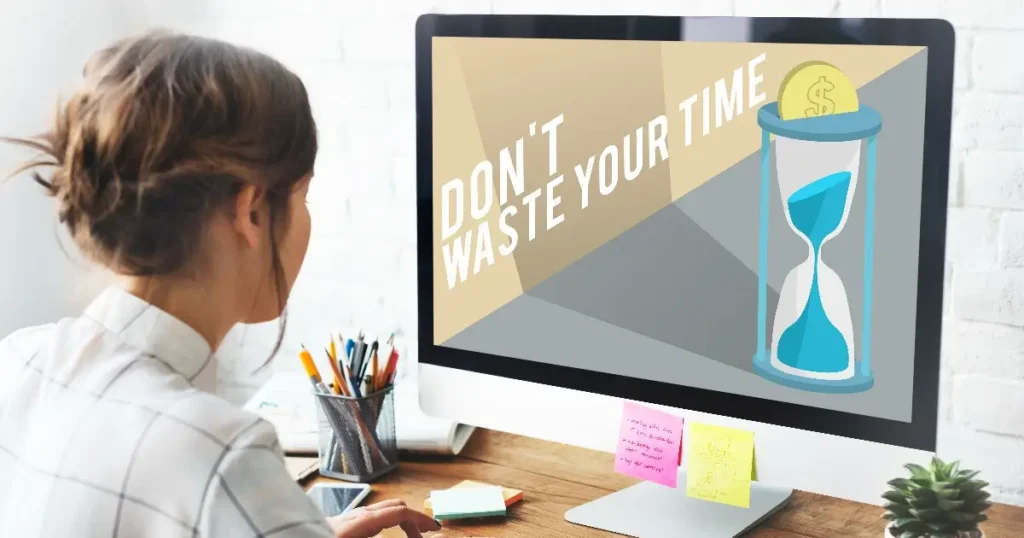
Have you ever found yourself mindlessly scrolling through your phone, knowing you have a looming deadline? Or perhaps, staring at a blank page, waiting for inspiration to strike, but it just… doesn’t? That, my friends, is procrastination in action – a common nemesis for many.
It’s not just about being lazy or disorganized; procrastination is a complex dance of psychology and circumstance. In this article, “5 Easy Ways to Stop Procrastinating,” we’ll explore what procrastination really is and, more importantly, provide you with five simple, yet effective strategies to help you conquer this habit.
Whether you’re a student, a professional, or just someone trying to get through your daily to-do list, these tips are designed to guide you from inaction to accomplishment.
Let’s dive in and turn those “I’ll do it laters” into “I’ve done its”!
What Is Procrastination?
Procrastination is the act of delaying tasks, often due to anxiety, fear of failure, or a perfectionist mindset. This common behavior involves choosing easier, more enjoyable tasks over important ones, leading to stress, guilt, and reduced productivity. Procrastination is not necessarily linked to ADHD, and it doesn’t equate to laziness; it’s often a struggle with self-regulation. Procrastinators can still achieve success but may encounter additional stress and challenges due to last-minute rushes and delays.
- What Is Procrastination?
- 1. Understand Your Procrastination Triggers
- 2. Break Tasks into Smaller, Manageable Steps
- 3. Use Positive Reinforcement and Rewards
- 4. Create a Distraction-Free Environment
- 5. Seek Accountability and Support
- Small Steps to Success: Alex's Victory Over Procrastination
- Starting Small: Eve's Journey Beyond Procrastination
- Final Thoughts
1. Understand Your Procrastination Triggers

Why do we put off tasks? Often, it’s not because we’re lazy. It’s due to reasons like fear of failing, wanting everything to be perfect, or simply not liking the task.
To beat procrastination, first figure out why you do it. Ask yourself: What tasks do I usually avoid? Do I feel scared or bored with these tasks? Noting down your answers can help a lot.
Understanding why you procrastinate is the first step to stop doing it. Once you know your reasons, you can start tackling them one by one.
Trigger Discovery Challenge Today, write down three tasks you’re avoiding. Next to each, note down why you’re avoiding them. This simple act of awareness can be eye-opening.
After identifying procrastination triggers through the Trigger Discovery Challenge, the next steps include developing specific strategies to counter these triggers, setting small, manageable goals, seeking support from friends or mentors, and regularly reviewing and adjusting your approach to find what best helps you manage procrastination.
This process encourages active engagement and adjustment based on personal experience and success.
2. Break Tasks into Smaller, Manageable Steps

Large tasks can be overwhelming, leading us to procrastinate. The trick is to break them down into smaller, more manageable steps. Think of it like a puzzle; instead of trying to solve it all at once, tackle one piece at a time.
For example, if you need to write a report, start by outlining the main points. Then, focus on writing one section at a time. This approach makes the task seem less daunting and helps you make steady progress.
By breaking tasks into smaller parts, you’ll feel more in control and less likely to avoid the work. Plus, completing each small step can give you a sense of achievement and motivate you to keep going.
Track Your Triggers: Choose a big task you’ve been putting off. Break it down into five smaller parts and tackle one part today.
After dividing tasks into smaller steps, prioritize them. Begin with the easiest or most urgent. Completing these smaller tasks will boost your confidence and momentum.
3. Use Positive Reinforcement and Rewards

Rewards can be a great way to motivate yourself to complete tasks. When you finish a task or a part of it, give yourself a small reward. This could be anything you enjoy, like a snack, a short break, or watching an episode of your favorite show.
This method works because it makes completing tasks more enjoyable. You’re not just working to get the task done, but also to get something you like. It’s a simple but effective way to train your brain to stop procrastinating.
Reward Yourself: Set a small goal for today. Once you achieve it, treat yourself to something enjoyable, like a favorite snack or a short break.
Establish a reward system for each completed task or milestone. This could range from a coffee break to a leisure activity, reinforcing positive behavior.
4. Create a Distraction-Free Environment

A key to beating procrastination is minimizing distractions. Start by identifying what usually takes your attention away. Is it your phone, social media, noise, or clutter around you?
Once identified, take steps to eliminate these distractions. For example, turn off notifications on your phone or use apps to block distracting websites during work hours. Organize your workspace to make it inviting and conducive to focus.
If noise is a problem, consider noise-canceling headphones or a quiet spot. Creating a distraction-free zone not only improves focus but also significantly boosts your efficiency in completing tasks.
Identify Distractions: Identify one major distraction in your workspace and eliminate it for your next task. For example, turn off your phone notifications for one hour while you work.
5. Seek Accountability and Support

Having someone to hold you accountable can be a powerful tool against procrastination. Share your goals with a friend, family member, or coworker who can check in on your progress.
This adds a sense of responsibility and can motivate you to stick to your tasks. Joining a study group or a work team can also provide a supportive environment where members motivate and help each other stay on track.
Remember, it’s easier to stay committed to your tasks when you know someone is rooting for you and expecting your success.
Share Your Goals: Reach out to a friend or colleague today and share a goal with them. Ask them to check in with you on your progress by the end of the week.
Small Steps to Success: Alex’s Victory Over Procrastination

Alex had always been the king of “later.” Whether it was reports due at work or the ever-growing pile of laundry in his corner, there was always a tomorrow for it.
With a crucial work project and only two weeks to complete it, he realized he couldn’t put things off any longer. The usual distractions—social media, video games, even excessive cleaning—suddenly became secondary.
In a moment of desperation, Alex found a strategy that resonated with him: breaking the project down into smaller, manageable tasks. He started with an outline, then moved on to research, and tackled each section one at a time. This approach transformed his work process, and surprisingly, his project began to take shape.
As the deadline approached, Alex worked with a newfound focus. He completed the project on time, earning praise for his excellent work. This experience was a turning point for him. He learned that by breaking tasks into smaller pieces, he could conquer his tendency to procrastinate.
Alex’s story is a simple yet powerful reminder that tackling things one step at a time can lead to unexpected victories.
Starting Small: Eve’s Journey Beyond Procrastination

Eve, a freelance graphic designer, was notorious for her procrastination. Each project seemed to linger until the deadline was upon her, causing stress and sleepless nights. Her creative spark seemed dimmed by the weight of her procrastination.
One day, Eve received a unique request: design a series of inspirational posters about time management and overcoming procrastination.
The irony wasn’t lost on her. Diving into research, she stumbled upon a quote that struck a chord:
“The secret to getting ahead is getting started.”
Inspired, Eve decided to apply this principle to her own life. She broke down her work into smaller tasks, setting mini-deadlines for herself. Each task completed was a small victory, a step away from her old habits.
As she designed the posters, Eve felt a transformation within herself. The project that started as an ironic twist became her roadmap to change. By the time she completed the series, not only had she delivered ahead of schedule, but she had also adopted a new approach to her work and life.
Eve’s experience taught her that the cure to procrastination was action—small, consistent steps forward.
Her journey was a testament to the power of starting, no matter how late in the game.
Final Thoughts

In wrapping up our guide on stopping procrastination, remember that change doesn’t happen overnight. It’s about making small adjustments, understanding what works for you, and forgiving yourself when you slip. The goal isn’t perfection; it’s progress.
Procrastination is a common challenge, but with patience and persistence, you can overcome it. Start small, celebrate your victories, and keep moving forward. Your journey to a more productive life isn’t just about avoiding procrastination—it’s about creating a life that aligns with your values and aspirations.
Along this journey, don’t overlook the power of mindfulness. It sharpens focus and eases stress, paving the way for intentional action. For more insights, explore our mindfulness articles, enhancing your path to productivity.
Take the first step today, and trust that each one after will lead you closer to where you want to be.
If you found this article useful, you can support the work here.
