
Hydrotherapy at Home Is Backed by Science—Here’s How to Use It Right

You step into the shower. Not just to get clean—but to calm your mind, lower inflammation, and reset your nervous system.
Water has always been healing— think Roman baths, Japanese onsens, your grandmother’s Epsom salt soak. Now, research shows these ancient practices were onto something. Studies link hydrotherapy to improved circulation, lymphatic drainage, and reduced stress markers.
You don’t need a spa day. You need intention—and the right ritual.
This guide walks you through 9 ways to use water for whole-body wellness, right at home. Let’s begin.
Disclaimer: This article is for educational purposes only and is not a substitute for professional medical advice. Always consult your healthcare provider before starting new wellness practices.
🔑 Quick Summary
– Hydrotherapy is more than a spa trend—it supports circulation, detox, and nervous system balance.
– Cold plunges and contrast showers may reduce inflammation and boost mood.
– Warm soaks, steam, and foot baths help calm stress and ease tension.
– It’s budget-friendly, science-backed, and perfect for a nervous system reset.
– The key? Use water with intention—small rituals, big impact.
- Hydrotherapy at Home Is Backed by Science—Here’s How to Use It Right
- 🔑 Quick Summary
- The Hidden Power of Water
- 1. Warm Bath Soaks — Your Nervous System’s Invitation to Exhale
- 2. Cold Showers — Wake Up Your Body, Rewire Your Brain
- 3. Contrast Showers — Flush Toxins, Fire Up Recovery, Rebalance Fast
- 4. Foot Baths — Grounding, Hormone-Supportive, Deeply Restorative
- 5. Steam Inhalation — Breathe Deep, Clear Out, Reset Your System
- 6. Wet Compresses — Targeted Relief, Instant Calm, Elemental Care
- 7. Hydrotherapy Massage
- 8. Aromatherapy Baths — Emotional Release Meets Nervous System Repair
- 9. Saltwater Soaks — Detox, Reset, and Let It All Go
- ❓ FAQs
- Final Takeaway: Let Water Be the Ritual That Brings You Back
The Hidden Power of Water
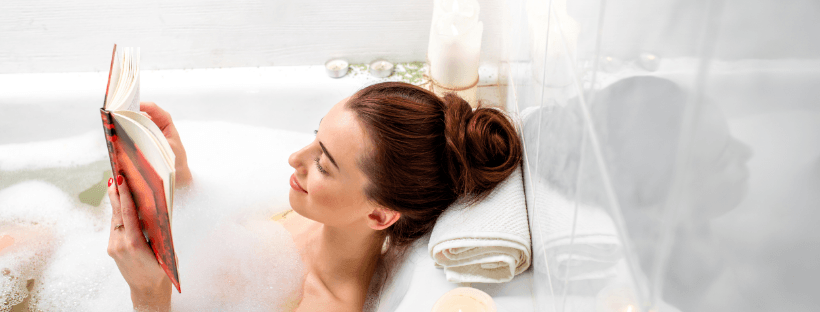
Somewhere along the way, we stopped treating water like medicine.
It became background noise—something to rinse off, not something that could reset. But before supplements and smartwatches, healing started here.
Today, research confirms what ancient cultures practiced instinctively. Warm water activates the parasympathetic nervous system, helping the body shift out of fight-or-flight. Cold exposure increases norepinephrine, a chemical linked to improved mood, focus, and stress resilience.
“We forgot water was medicine. It’s time to remember.”
Water also stimulates the lymphatic system—your body’s silent detox network. Unlike blood, lymph has no pump. It relies on movement, temperature shifts, and breath. Contrast therapy (alternating hot and cold) supports lymph flow, reduces inflammation, and helps flush out cellular waste.
This isn’t about biohacking. It’s about remembering.
Your body already knows how to respond. It softens in heat, sharpens in cold, and finds rhythm in ritual. You don’t need a spa. You need intention.
1. Warm Bath Soaks — Your Nervous System’s Invitation to Exhale
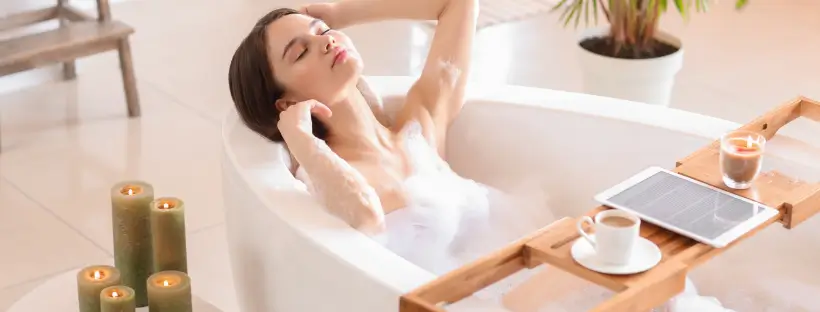
You know that feeling—when you finally lower yourself into a warm bath, and your whole body softens before your mind even catches up?
That’s not luxury. That’s biology.
Warm water (typically around 95°F–100°F) dilates blood vessels, easing tension from the inside out. It sends a signal to your autonomic nervous system: you’re safe now. That shift—known as parasympathetic activation—is what allows the body to rest, digest, and restore. It’s why a bath can feel like hitting the reset button on your entire mood.
Studies have shown that warm water immersion improves blood circulation, supports better sleep, and reduces muscle soreness—especially when paired with magnesium-rich Epsom salts. And if you add a few drops of calming essential oils like lavender or vetiver? You’re not just soaking. You’re regulating.
But it’s not about the ingredients—it’s about the intention.
How to try it:
- Fill your tub with water between 95°F–100°F (comfortably warm, not hot)
- Add 1–2 cups of Epsom salts
- Optional: 5–10 drops of lavender, clary sage, or Roman chamomile essential oil
- Soak for 20–30 minutes with no screens, no rush, and no multitasking
- Let your breath deepen. Let your shoulders drop. Let the warmth work.
If you’re recovering from stress, burnout, or poor sleep, this ritual isn’t extra—it’s essential. Think of it as emotional first aid for the body.
👉 No tub? No problem. Try a warm foot bath instead—or explore our hydrotherapy tub guide here to turn even a small space into a healing sanctuary.
2. Cold Showers — Wake Up Your Body, Rewire Your Brain
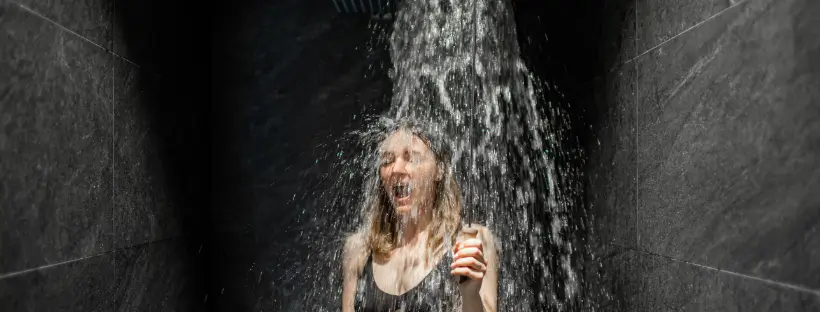
The first few seconds will make you want to jump out.
That’s the point.
Cold water isn’t about comfort—it’s about recalibration.
When you expose your body to cold (typically 50°F–60°F), it triggers a short-term stress response: your blood vessels constrict, your breath quickens, your mind sharpens. This isn’t just discomfort—it’s hormesis, a biological principle where short bursts of stress lead to long-term resilience.
Studies published in the Journal of Neurophysiology and PLoS One have shown that cold exposure increases norepinephrine and dopamine—neurochemicals linked to improved mood, energy, and focus. In other words, it’s like a cup of black coffee for your nervous system… without the crash.
Regular cold showers have also been linked to reduced inflammation, improved sleep, and increased tolerance to everyday stress. It’s a favorite in the nervous system reset world—not because it’s trendy, but because it works.
How to try it:
- End your usual warm shower with 15–30 seconds of cold
- Gradually work up to 1–2 minutes over time
- Stay still. Breathe deeply. Let the shock pass through
- Finish with slow exhales to shift into calm alertness
If you haven’t tried cold therapy before, alternate between warm and cold. This contrast still boosts circulation while easing you into cold exposure gently.
And here’s the part no one tells you: once you step out, you’ll feel… alive. Clear. Calm. Like you just shed a layer of static you didn’t know was there.
Not ready for full-body cold?
Try a cold face rinse or a cold forearm dip—both stimulate the vagus nerve and offer a gentler entry point.
3. Contrast Showers — Flush Toxins, Fire Up Recovery, Rebalance Fast
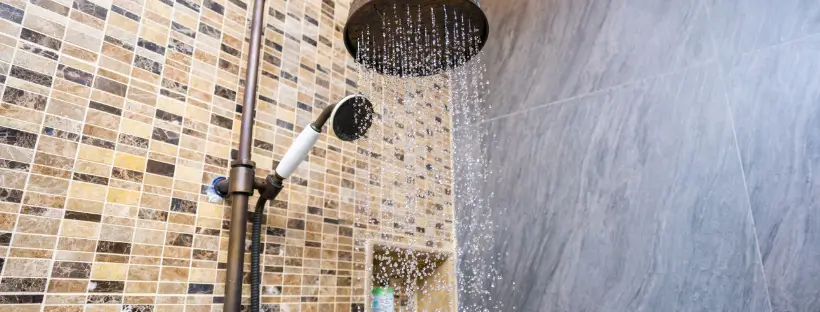
This isn’t just a shower—it’s a full-body reset switch.
Contrast therapy, also known as alternating hot and cold water exposure, is one of the most effective (and underrated) forms of hydrotherapy. It’s been used for centuries by athletes, traditional healers, and wellness practitioners to boost circulation, support detox, and accelerate recovery.
Here’s why it works: switching between heat and cold causes your blood vessels to dilate and constrict rhythmically. This vascular workout helps pump fresh, oxygen-rich blood into tissues while flushing out metabolic waste—especially in the lymphatic system, which has no pump of its own.
Studies in Complementary Therapies in Medicine and Journal of Strength and Conditioning Research suggest that contrast therapy may reduce delayed onset muscle soreness (DOMS), lower inflammation, and improve immune response. But the real beauty? It helps regulate your internal systems fast—body and mood included.
How to try it:
- Start with 3 minutes of warm water (around 100°F)
- Switch to cold water (50–60°F) for 30–60 seconds
- Repeat the cycle 3–5 times, always ending on cold
- Focus on steady breathing during cold phases
This isn’t just for athletes. It’s for anyone who feels stuck, sluggish, or stressed.
Contrast showers are also incredible when you’re overwhelmed—when your mind is racing, your body feels heavy, and you need to shift your state fast. They help move lymph, clear brain fog, and restore your baseline.
Pro tip: Do this first thing in the morning or after a workout. You’ll feel recharged, not just clean.
4. Foot Baths — Grounding, Hormone-Supportive, Deeply Restorative
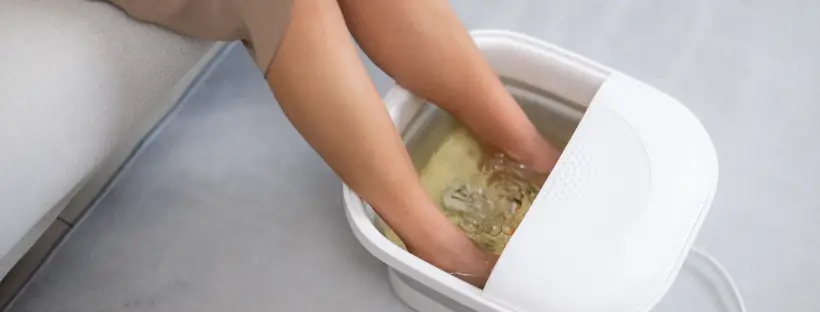
Sometimes healing starts at your feet.
Foot baths may seem simple, but they’re one of the most powerful ways to calm the nervous system, support lymphatic flow, and reconnect with your body—especially when stress has pulled you into your head.
The feet contain thousands of nerve endings and major lymph nodes, which is why soaking them in warm water helps shift you into a parasympathetic state. This practice is used in traditional medicine systems around the world to reduce anxiety, improve sleep, ease menstrual cramps, and even regulate digestion.
Studies suggest that warm foot baths before bed can lower cortisol and promote deeper sleep, particularly for those with insomnia or chronic stress. It’s an excellent option for those who can’t tolerate full-body hydrotherapy or don’t have access to a tub.
How to try it:
- Fill a basin or bucket with warm water (95°F–105°F)
- Add ½–1 cup of Epsom salt or magnesium flakes
- Optional: a few drops of essential oils like lavender, rosemary, or peppermint
- Soak for 15–20 minutes, ideally while seated with a blanket around your shoulders
- Breathe slowly. Visualize the tension draining downward and out
Want to take it further? Try contrast foot bathing by alternating with a second basin of cold water. Just 30 seconds in cold, then back to warm, repeated for a few cycles. It boosts circulation and stimulates reflex zones connected to your organs.
No time for a full soak?
Even a few minutes of warm water plus intentional breath can bring your body back down to baseline.
This ritual is especially helpful before sleep, during PMS, or when you’ve been “on” all day and need a transition back into yourself.
5. Steam Inhalation — Breathe Deep, Clear Out, Reset Your System
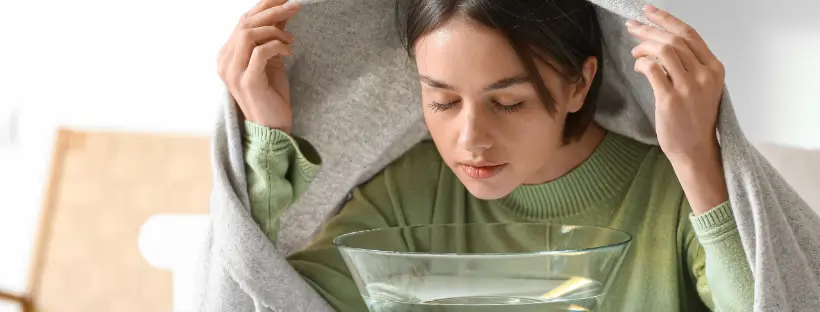
There’s something ancient about it: leaning over a bowl of steam, eyes closed, wrapped in a towel like a temple.
Steam inhalation is one of the most primal hydrotherapy rituals—used for centuries to clear the sinuses, soften the skin, and calm the mind. But it’s more than a folk remedy. It’s a nervous system balm and a breath ritual wrapped in one.
When you inhale warm steam, it hydrates your respiratory tract, loosens congestion, and helps the body release built-up tension—especially around the jaw, neck, and temples. Research shows that steam can soothe irritated sinuses and may reduce the severity of colds or allergies. But even beyond that, the sensory nature of steam taps into something deeper. Stillness. Slowness. Softness.
How to try it:
- Boil water and pour it into a large, heat-safe bowl
- Sit at a table with the bowl in front of you
- Add 1–2 drops of eucalyptus, tea tree, or lavender essential oil (optional, but powerful)
- Drape a towel over your head and the bowl, creating a tent
- Close your eyes, breathe deeply through nose and mouth for 5–10 minutes
Let it be meditative. The heat. The scent. The quiet.
Steam works beautifully before bed, after a stressful day, or anytime your mind feels congested—even if your sinuses don’t. It’s a ritual of pause, of purification.
No bowl handy?
Turn your shower into a steam tent. Close the door, run hot water, and just sit and breathe.
And if you’re working with grief, anxiety, or mental fog? Steam is a gentle way to begin letting it move.
6. Wet Compresses — Targeted Relief, Instant Calm, Elemental Care
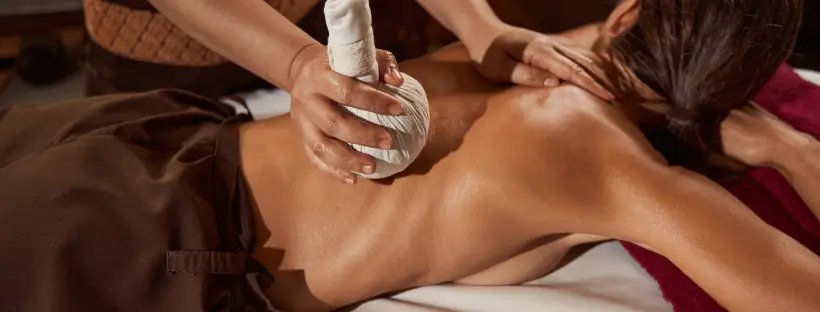
Sometimes what your body needs is direct contact. Just water. Cloth. Temperature. Intention.
Wet compresses are hydrotherapy in its most minimalist form—yet they’re surprisingly powerful. Whether you’re dealing with a tension headache, menstrual cramps, sore joints, or emotional heaviness in your chest, a warm or cold compress offers fast, focused support.
There’s something deeply soothing about it: taking the time to tend to one area of the body. It slows you down. It brings you back.
Here’s how it works:
Warm compresses increase circulation, soften muscle tension, and invite relaxation. Cold compresses constrict blood vessels, reduce inflammation, and numb acute pain. Alternating the two can flush the area with fresh blood, oxygen, and lymph—activating the body’s natural healing response.
How to try it:
- Soak a clean towel or washcloth in warm (or cold) water
- Wring it out and apply to the affected area: neck, back, belly, forehead, chest
- Hold for 10–15 minutes, reheating or cooling the cloth as needed
- Breathe with the sensation. Let it soften you.
When to use which:
- Warm compress → muscle tension, cramps, jaw pain, stress
- Cold compress → inflammation, migraines, joint swelling, emotional overheating
- Contrast compress → cycle warm and cold 2–3 times for deeper circulation and lymph movement
Wet compresses are especially helpful if your body is screaming in one place but you’re short on time or energy. They offer elemental care—accessible, immediate, effective.
And on a deeper level, they remind you that you’re allowed to pause and touch what hurts.
7. Hydrotherapy Massage
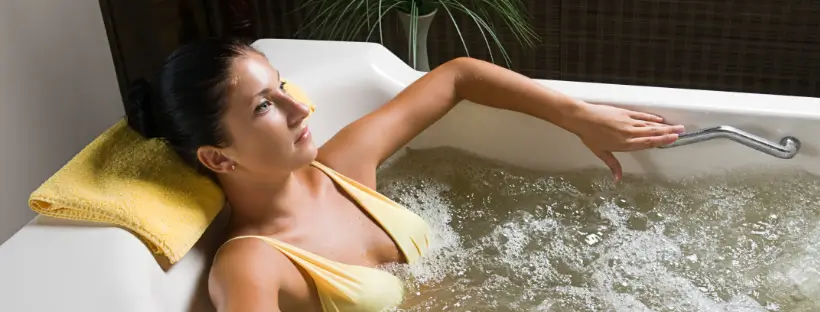
This one’s for the places that hold what we won’t say: the shoulders bearing weight, the back that tightens with stress, the jaw we clench without even knowing.
Hydrotherapy massage combines the healing properties of water with the tension-melting power of touch—using water pressure to simulate hands-on bodywork. The result? Deep muscle release, lymphatic flow, and whole-body regulation.
If you’ve ever sat in a jetted tub and felt the relief flood in, you’ve experienced this. But even if you don’t have fancy jets, your shower can become a hydro-massage tool with just a shift in focus.
Why it works:
The combination of warmth and water movement increases blood flow, breaks up fascia adhesions, and helps mobilize lymph. This supports detox, reduces soreness, and softens the stress patterns we carry unconsciously.
It’s also one of the most effective ways to tone the vagus nerve, which plays a key role in calming the nervous system.
How to try it:
- Use a jetted bathtub or a handheld showerhead with massage or pulse settings
- Direct the water stream toward areas of tension: upper back, neck, shoulders, thighs, belly
- Let the warmth and pressure work for 1–2 minutes per area
- Breathe slowly into the sensation—especially when it finds a tender spot
Want to take it deeper? Pair it with dry brushing beforehand to stimulate lymphatic flow, or follow with a cold rinse to seal in circulation and alertness.
No gear required: Even cupping your hands and rhythmically splashing water on the body can simulate pressure and bring a sense of presence.
Hydro-massage isn’t just about relief—it’s about remembering your body is allowed to let go.
8. Aromatherapy Baths — Emotional Release Meets Nervous System Repair
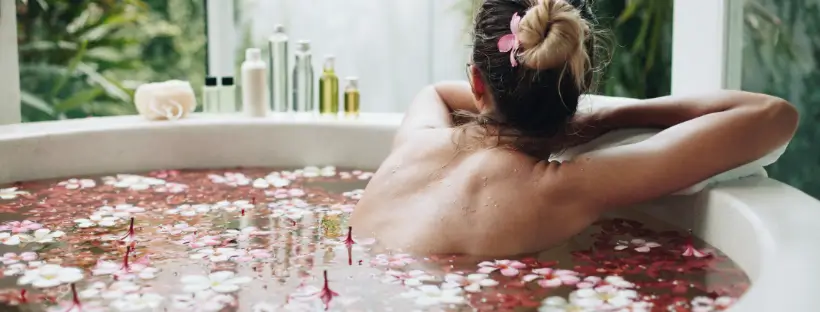
There are days when the stress doesn’t just live in your muscles—it lives in your chest, your thoughts, your breath.
That’s when you don’t just need a bath. You need an experience that rewires your entire state of being.
Aromatherapy baths combine the warmth of hydrotherapy with the emotional and physiological effects of essential oils. This pairing isn’t just relaxing—it’s regulatory. You’re layering nervous system cues: heat to soften, scent to shift mood, and stillness to allow release.
Why it works:
Essential oils like lavender, bergamot, and clary sage have been shown in studies to reduce cortisol levels, ease anxiety, and support hormonal balance. When inhaled through steam and absorbed through the skin in a warm bath, they work on multiple levels at once.
This is what biohacking for women should look like: safe, sensual, science-informed self-regulation.
How to try it:
- Fill a bath with warm water (95–100°F)
- Add 5–10 drops of essential oil (diluted first in a carrier like milk, honey, or bath salts)
- Choose oils that match your state or desired shift:
- Lavender or chamomile for sleep and anxiety
- Rose or geranium for emotional support and hormone balance
- Eucalyptus or peppermint for clarity and congestion
- Soak for 20–30 minutes, with soft lighting or no lighting at all
- Let the scent, steam, and silence work their way inward
This is more than a bath. It’s a nervous system intervention disguised as luxury.
And if you don’t have a tub? A foot soak with essential oils can create a surprisingly similar effect.
👉 Want to go deeper? Here’s our guide to finding the right bathtub for your space and ritual needs.
9. Saltwater Soaks — Detox, Reset, and Let It All Go
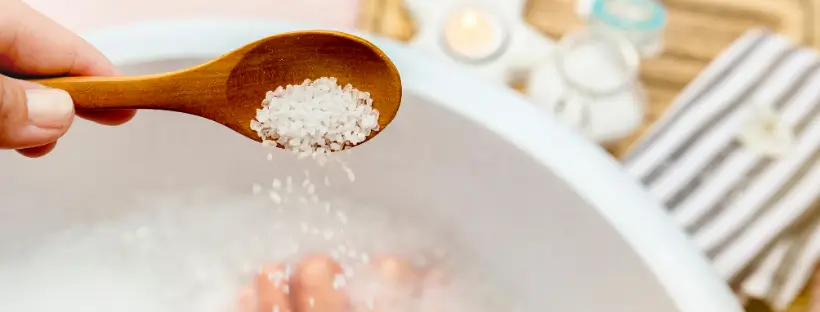
There’s something primal about salt and water. It’s the ocean. The womb. The tears you held in all week.
A saltwater soak isn’t just a way to relax—it’s a way to release. Physically, yes—but emotionally, too.
Mineral-rich salts like Epsom, Dead Sea, and Himalayan pink salt are packed with magnesium, calcium, potassium, and trace elements that support detoxification, reduce inflammation, and help calm an overstimulated nervous system. But what you feel in a salt bath goes beyond science.
It’s grounding. Clearing. Restorative in a way that’s hard to name.
Why it works:
Magnesium (abundant in Epsom salts) is critical for muscle function, nerve signaling, hormone balance, and sleep regulation. When absorbed through the skin, it may ease cramps, soothe the adrenals, and quiet the stress response. Salt baths have also been used for centuries to support skin conditions, reduce swelling, and clear energetic stagnation.
How to try it:
- Fill a tub with warm water (98–102°F)
- Add:
- 1–2 cups Epsom salt (for magnesium and muscle tension)
- Or 1 cup Dead Sea salt (for skin and mineral rebalancing)
- Optional: ½ cup baking soda (for pH balance and skin softness)
- A few drops of grounding essential oils like frankincense, vetiver, or cedarwood
- Soak for 20–30 minutes in stillness. Let the heaviness leave your body.
No tub?
A salt foot soak can still offer powerful grounding and mineral replenishment. Just 15 minutes can shift your state.
Saltwater soaks are especially helpful during adrenal fatigue, emotional release, or the kind of exhaustion that goes beyond physical. They don’t just calm the body. They cleanse the field.
❓ FAQs
Final Takeaway: Let Water Be the Ritual That Brings You Back

This isn’t about “biohacking.” It’s about re-connection.
Your body already knows what to do when it feels water.
Warmth to soothe. Cold to awaken. Stillness to listen.
You don’t need perfect timing, or perfect gear. Just attention.
Start with one ritual. Repeat it. Let it become part of your rhythm.
The healing will follow.
