
How Hyperpalatable Foods Hijack Your Brain’s Reward System

You think you’re just craving chips. Or a soda. Or maybe that “healthy” granola bar. But these foods aren’t simply calling your name—they’re subtly taking control of your brain.
That’s the unsettling truth. Hyperpalatable foods aren’t merely unhealthy—they’re specifically engineered to hijack your brain’s reward pathways, reshaping how you think, feel, and eat.
This isn’t about willpower or counting calories. These foods deliberately override your body’s natural signals of fullness and satisfaction, trapping you in a relentless cycle of cravings and consumption without offering real nourishment.
But you don’t have to stay trapped. Let’s uncover how hyperpalatable foods manipulate your brain—and how you can reclaim control.
🔑 Quick Summary
– Hyperpalatable foods hijack your brain’s reward system, rewiring natural hunger and satiety signals.
– Engineered combinations of fat, sugar, salt, and refined carbs overstimulate dopamine release, increasing cravings.
– These foods lack real nutrition, disrupt gut health, and fuel systemic inflammation.
– Breaking free requires nutrient-dense whole foods, stress regulation, and mindful eating habits.
– Over time, you can retrain your brain and restore balance by choosing real foods over engineered ones.
Disclosure: The information provided is for educational purposes only and not intended as medical advice. Consult a healthcare professional before making any changes to your health routine.
- How Hyperpalatable Foods Hijack Your Brain’s Reward System
- 🔑 Quick Summary
- How Processed Foods Hijack Your Brain’s Pleasure Signals
- How Engineered Foods Sabotage Your Brain Chemistry
- The Foods That Hijack the Brain
- Why Calorie Counting and Willpower Fail
- Take Back Control and Break the Food Craving Cycle
- How Fast Can You Heal After Quitting Ultra-Processed Foods?
- Foods That Disrupt Your Brain's Reward System
- Final Thoughts
- ❓ FAQs
How Processed Foods Hijack Your Brain’s Pleasure Signals
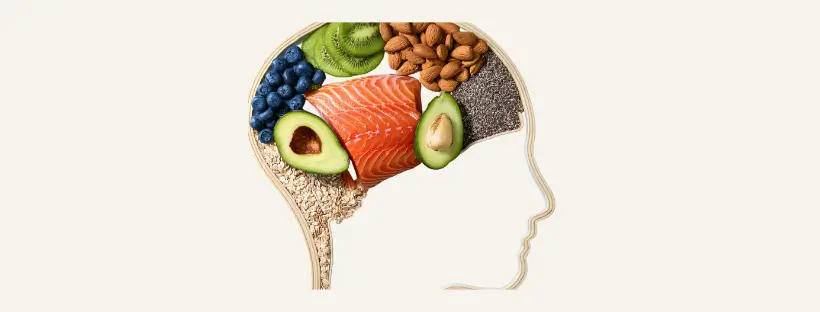
When you savor nutritious foods or experience genuine connection and safety, your brain rewards you with dopamine—a subtle but powerful chemical message nudging you toward healthy, fulfilling choices.
Yet the modern food industry intentionally exploits this natural reward system. Hyperpalatable foods—strategically engineered combinations of sugar, fat, and salt—trigger dopamine surges far stronger than what you’d ever get from whole foods. This artificial overstimulation doesn’t just taste good—it chemically rewires your brain’s reward circuits, fueling cravings and weakening your natural signals of satisfaction.
It’s not merely deliciousness at play; it’s chemical manipulation. Over time, these engineered foods weaken the prefrontal cortex, the brain region crucial for decision-making, impulse control, and self-restraint. Your struggle to stop isn’t a failure of willpower—it’s a carefully orchestrated hijacking of your brain’s survival mechanisms.
If cravings feel overwhelming, it’s because your brain has been conditioned to chase the next dopamine spike. But awareness of this manipulation gives you the power to break the cycle and regain control over your eating habits.
How Engineered Foods Sabotage Your Brain Chemistry

Your brain isn’t simply chasing pleasure—it’s continuously juggling signals that keep you emotionally balanced and physically stable. Each bite of food does far more than impact your weight; it influences your mood, clarity of thought, and your body’s resilience to stress.
Hyperpalatable foods don’t merely flood your brain with dopamine. They actively disrupt intricate neural pathways responsible for regulating stress responses, mood stability, and cognitive clarity.
Research confirms that chronic consumption of these engineered foods alters your brain’s plasticity—its ability to form and prune neural connections. As you repeatedly consume hyperpalatable foods, neural pathways associating them with reward and comfort grow stronger, while pathways essential for impulse control, stress resilience, and emotional stability deteriorate.
But the damage goes even deeper. Studies indicate that diets high in sugar and processed ingredients contribute to inflammation in the brain, accelerating the buildup of harmful protein plaques—similar to those linked to cognitive decline. Over time, this inflammation impairs cognitive function, weakens memory, and increases vulnerability to mood disorders like anxiety and depression.
This isn’t just a matter of temporary pleasure—it’s long-term rewiring that leaves you emotionally reactive, cognitively impaired, and chronically craving. And it’s not happening in isolation: factors like stress, sleep quality, and gut health significantly amplify these effects. Indeed, your Gut Microbiome Impacts Mental Health profoundly, influencing how your brain handles stress, mood regulation, and even inflammation itself.
Hyperpalatable foods don’t just hijack your reward system; they weaken the entire protective network designed to sustain mental and emotional well-being.
Understanding these deeper layers of harm reveals why breaking free isn’t merely about discipline or willpower—it’s about actively rewiring your brain toward resilience and lasting health.
The Foods That Hijack the Brain

Forget what you’ve been told about willpower. The real issue isn’t how much you’re eating—it’s what you’re eating. Hyperpalatable foods are engineered to override your brain’s natural satisfaction signals and create cravings that are nearly impossible to resist.
Here’s the wake-up call: the myth that “everything is fine in moderation” is just marketing spin. The truth is, even a small amount of ultra-processed food can set off inflammation, disrupt your brain chemistry, and leave a mark on your health that lasts long after the last bite. The food industry isn’t just selling snacks—it’s selling false reassurance while quietly reshaping your body and mind.
Let’s break down exactly how these everyday foods quietly hijack your body and mind:
Sugary Snacks
Cakes, candies, cookies, sodas—they’re not just empty calories. The refined sugars in these foods hit your bloodstream fast, spiking blood glucose and triggering a surge of dopamine. Your brain’s reward system lights up like a pinball machine, reinforcing the desire for more.
But the real damage comes later. Studies show that chronic sugar exposure reduces dopamine receptor sensitivity. The more sugar you consume, the more your brain needs to feel the same level of pleasure. Natural rewards—like whole foods or meaningful social interactions—start to feel flat in comparison. Even seemingly innocent treats like ice cream often contain harmful chemicals, further disrupting your brain and body’s natural balance.
Refined Carbohydrates
White bread, pasta, baked goods—the hidden sugars in these foods act much like candy. High-glycemic carbs break down quickly into glucose, causing blood sugar spikes followed by crashes. These crashes trigger more hunger, mood swings, and cravings, keeping you trapped in a cycle of overeating.
The glycemic rollercoaster doesn’t just affect energy levels. It impacts your brain’s executive function, clouding decision-making and increasing impulsivity. It’s not that you “can’t resist”—it’s that your brain is running on empty.
Industrial Seed Oils
Think vegetable oil, canola oil, soybean oil. These oils are cheap, shelf-stable, and found in nearly every processed snack. They’re high in omega-6 fatty acids, which fuel chronic inflammation—including in the brain.
Neuroinflammation is more than a buzzword. It impairs neurotransmitter signaling, disrupts mood regulation, and increases cravings for calorie-dense, low-nutrient foods. Over time, this inflammation can erode cognitive function, making it harder to break the cycle.
Processed Meats
Bacon, hot dogs, deli slices—they’re more than just processed protein. These meats contain nitrates and nitrites, which can cross the blood-brain barrier and form neurotoxic compounds linked to oxidative stress and impaired neurotransmitter balance.
Consuming processed meats doesn’t just affect the heart and gut—it compromises the very signaling pathways that regulate appetite and mood. And because these meats are often combined with hyperpalatable seasonings and additives, the impact is amplified.
Artificial Sweeteners
Diet sodas, sugar-free snacks, protein powders—artificial sweeteners promise sweetness without calories. But they deliver something far more disruptive. Research shows that sweeteners like sucralose and aspartame confuse your gut-brain axis, disrupting satiety hormones like leptin and ghrelin.
This confusion leads to persistent cravings, even when you’re technically full. Plus, emerging studies suggest that artificial sweeteners alter brain reward pathways, amplifying the drive to seek out hyperpalatable foods.
MSG and Flavor Enhancers
Monosodium glutamate (MSG), yeast extract, hydrolyzed proteins—these additives are designed to make bland ingredients irresistible. They overstimulate the brain’s glutamate receptors, creating a sense of intense savory satisfaction.
But the cost is steep. Over time, glutamate overstimulation can dull natural taste receptor sensitivity, making whole foods feel boring and unsatisfying. This creates a vicious cycle where only processed, enhanced flavors can deliver the hit your brain now craves.
These aren’t isolated issues. They’re interconnected traps. Hyperpalatable foods flood your brain with pleasure signals while stripping away the natural feedback loops that should tell you “enough.” The more you eat, the harder it becomes to stop.
But recognizing the pattern is the first step to breaking it.
Why Calorie Counting and Willpower Fail
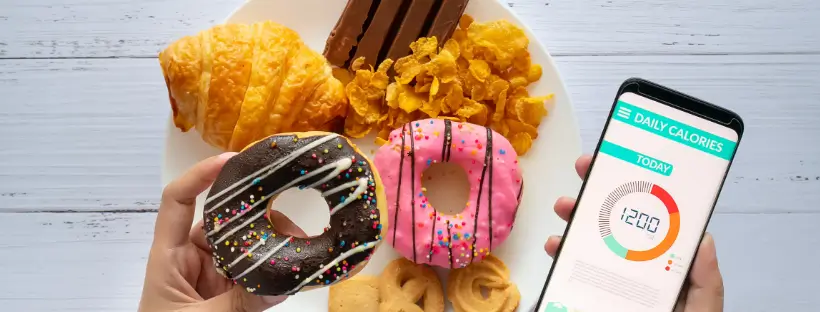
Calorie counting was never designed to help you succeed—it’s a distraction from the real issue. Ultra-processed foods are engineered to override your body’s natural signals of fullness, making it nearly impossible to stop at “just one” or “just 100 calories.” Like an addictive substance, they hijack your brain’s reward system and erode impulse control.
The ‘everything in moderation’ idea has been widely used in marketing, though it doesn’t reflect the science on how hyperpalatable foods affect the body. These foods don’t just trick taste buds—they disrupt metabolic and hormonal balance, driving cycles of craving and overconsumption.
Even calorie counting can’t save you when the food itself is designed to make you fail. Focusing on numbers without prioritizing nutrient-dense, whole foods is like patching leaks in a sinking ship. True health comes from real nourishment that supports natural hunger cues, not from tracking empty calories or believing moderation myths.
Take Back Control and Break the Food Craving Cycle
Cravings for hyperpalatable, ultra-processed foods aren’t a character flaw—they’re the result of a brain that’s been rewired by food designed to keep you hooked. If you’ve ever felt powerless around chips, sweets, or processed snacks, you’re not alone. Here’s what the science and real-world experience say about breaking free:
1. Remove Triggers from Your Environment
The less you see, the less you crave. Studies show that simply keeping hyperpalatable foods out of the house dramatically reduces consumption. Willpower fades; environment shapes behavior.
2. Eat for Brain and Gut Repair
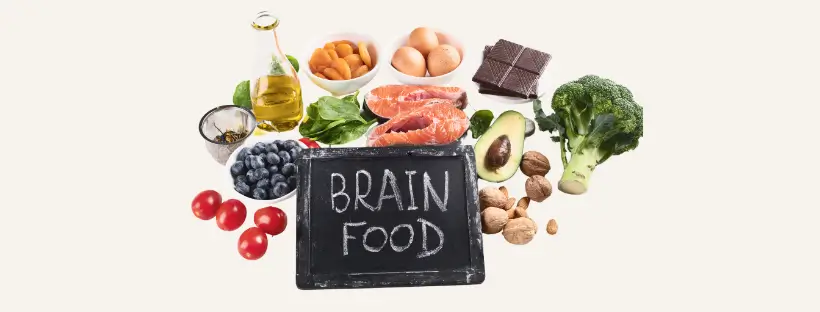
Start meals with nutrient-dense whole foods—eggs, wild fish, unprocessed meats, fermented veggies, avocados, or berries. Cruciferous vegetables like broccoli and kale support detoxification and gut health by delivering unique nutrients your cells recognize and use. Protein and natural fats help restore satiety signals and dampen cravings. Fiber and fermented foods support your gut microbiome, which directly influences mood, impulse control, and even anxiety.
3. Interrupt Automatic Patterns
Cravings often hit at predictable times—late nights, stress, boredom. Change the script. Replace mindless snacking with a new ritual: a short walk, herbal tea, journaling, or even a breathing exercise. The goal isn’t distraction—it’s teaching your nervous system new ways to self-soothe.
4. Expect Withdrawal—But It Gets Easier
The first few days off ultra-processed foods can feel raw—headaches, irritability, intense urges. This is your brain recalibrating its reward system. Most people report noticeable improvement in two weeks. Scientific reviews confirm that both dopamine balance and gut bacteria start shifting fast when you break the cycle.
5. Stay Curious, Not Perfect
Relapses happen. When they do, notice what triggered you without spiraling into guilt. Every craving is a chance to learn about your habits—and every real food meal is a step back toward balance. Consistency—not perfection—rewires the brain.
6. Support Your Body’s Healing
Move daily, prioritize sleep, and manage stress with whatever works for you—nature, connection, or mindfulness. These factors speed up brain healing and help cravings fade.
The Big Shift
As your body gets the nutrients it craves and your environment supports your goals, the noise of food obsession finally quiets. Your brain and gut remember how to regulate hunger and satisfaction on their own. It’s not just possible to break the cycle—it’s inevitable if you give your body the right conditions.
Healing is your body’s default when you stop giving it food designed to hijack it.
How Fast Can You Heal After Quitting Ultra-Processed Foods?

Your body and brain are designed to recover—but they need real nourishment and time. The truth? Most people notice the first signs of healing in days, but the deepest changes can take months. The longer you’ve lived on ultra-processed foods, the longer your brain, gut, and metabolism may need to fully bounce back.
Here’s what happens when you finally ditch the cycle:
- Days to Weeks
- Cravings start to fade as dopamine pathways reset
- Blood sugar stabilizes; energy and mood become steadier
- Inflammation markers begin to drop
- Some people sleep better and feel clearer almost immediately
- 1 to 3 Months
- Gut bacteria diversity increases, helping digestion and immunity
- Brain fog, mood swings, and energy crashes often improve
- Appetite regulation strengthens—you notice real hunger and fullness again
- 3 to 9 Months
- Deeper healing of the gut-brain axis
- Chronic inflammation continues to resolve
- Cognitive sharpness and emotional balance get stronger
- Some studies show markers of neuroinflammation and metabolic dysfunction may fully normalize in this window
- 9 Months and Beyond
- Full restoration of metabolic health, gut microbiome, and brain resilience—especially after years of processed food
- Most people report radically improved mood, mental clarity, and a sense of true freedom from cravings
Speed up the process:
- Eat a wide variety of whole, nutrient-dense foods
- Prioritize quality sleep and daily movement
- Manage stress—your nervous system needs calm to repair
- Avoid “cheat days”—even small setbacks can trigger old patterns
The bottom line:
Healing is not instant, but every day you eat real food, you’re retraining your body to thrive. Cravings, mood swings, and brain fog are symptoms—not life sentences. Your brain and gut can bounce back—even after years of ultra-processed, hyperpalatable foods. Give it time, stay consistent, and remember: the real transformation is happening beneath the surface, one bite at a time.
Foods That Disrupt Your Brain’s Reward System
| Food | Impact on the Brain | How to Avoid | Healthier Alternatives |
|---|---|---|---|
| Sugary Snacks | Rapid dopamine spike followed by a crash, leading to cravings and overconsumption. | Opt for natural sweeteners in moderation and incorporate whole fruits into your diet. | Honey, maple syrup, stevia, fresh fruits (e.g., apples, berries, oranges) |
| Processed Foods | Combination of sugar, fat, and salt overstimulates the brain’s reward pathways, leading to addictive eating. | Focus on whole, unprocessed foods and prepare meals at home using fresh ingredients. | Fresh vegetables, lean meats, whole grains, homemade snacks (e.g., vegetable sticks with hummus) |
| Trans Fats | Unhealthy fats trigger excessive dopamine release, leading to overconsumption and health issues. | Choose healthier alternatives like grilled options and include healthy fats from avocados, nuts, and olive oil. | Grilled chicken, baked sweet potatoes, homemade burgers with lean meat, avocados, nuts, seeds, olive oil |
| Caffeine | Increases alertness but can lead to dependence and withdrawal symptoms. | Limit intake, avoid consumption in the afternoon and evening to prevent sleep disruption. | Herbal teas, decaffeinated coffee, water, smoothies with natural energy boosters like spinach or chia seeds |
| Artificial Sweeteners | Mimic sugar’s effect on the brain, leading to increased cravings and potential metabolic issues. | Use natural sweeteners sparingly and reduce overall sweetness in your diet. | Honey, maple syrup, stevia, fruit-infused water, herbal teas |
| Alcohol | Triggers dopamine release, leading to increased tolerance and potential dependence. | Limit intake, alternate with water, choose lower-alcohol options, and engage in non-drinking activities. | Sparkling water with a splash of fruit juice, herbal teas, kombucha, engaging in social activities like sports or games |
Final Thoughts
The truth about hyperpalatable foods is simple, but sobering. These aren’t just snacks or treats. They’re engineered substances designed to hijack your brain’s reward system and trap you in a cycle of craving and consumption.
But knowing the truth is your first step out. Once you recognize how these foods exploit your biology—how they dull your natural satiety signals, overstimulate your dopamine circuits, and erode your brain’s resilience—you can start making choices that support your real health.
This isn’t about guilt. It’s not about going “clean” or “perfect.” It’s about learning to spot the traps and giving your brain and body what they truly need to thrive.
Small, intentional shifts—like prioritizing nutrient-dense foods, reducing hyperpalatable triggers in your environment, and supporting your gut and stress resilience—create a cascade of change. Over time, these shifts retrain your brain’s pathways, restoring balance and real satisfaction.
The food industry doesn’t want you to know this. But now you do. And with that knowledge, you hold the power to reclaim your health—bite by bite, choice by choice.
