
What’s in Your Ice Cream? The Ultra-Processed Truth You Need to Know

That innocent scoop of vanilla? It’s not what it used to be.
Ice cream was never the problem. It’s what the food industry did to it.
Once a simple blend of cream, sugar, and vanilla, ice cream has been hijacked by industrial food science. Today’s mainstream brands are loaded with emulsifiers, seed oils, synthetic thickeners, and “natural” flavors that are anything but —because the term is legally vague and can include almost anything, even substances you’d never knowingly eat.
These aren’t just harmless additives—they’re ingredients linked to gut inflammation, hormonal disruption, and metabolic chaos.
If you’re trying to eat clean, regulate your nervous system, or just avoid lab-made food, conventional ice cream is no longer a safe indulgence. The good news? You don’t have to give it up. Our guide to the Best Ice Cream Makers for Clean Eating & Real Ingredients shows you how to bring back the real thing—no toxic additives, no corporate shortcuts, just true food.
Here’s what’s really in that pint—and why going DIY might be your most nourishing move yet.
🔑 Quick Summary
— Store-bought ice cream has shifted into ultra-processed food with chemical additives.
— Common chemicals like HFCS, emulsifiers, and artificial colors disrupt gut and metabolic health.
— Many additives hide under vague labels like “artificial flavors,” making them easy to overlook.
— Choose clean-label ice creams or make your own to avoid hidden chemicals.
— Knowing what’s in your ice cream is the first step to making healthier, more informed choices.
Disclosure: The information provided is for educational purposes only and not intended as medical advice. Consult a healthcare professional before making any changes to your health routine. If you make a purchase through the links provided, I may earn a small commission at no additional cost to you.


1. High Fructose Corn Syrup

You wouldn’t expect a scoop of ice cream to fuel metabolic chaos. But when high fructose corn syrup (HFCS) slips into the mix, it does more than just sweeten your dessert—it sets off a quiet storm in your body.
HFCS was originally introduced as a cheap alternative to cane sugar. It’s now a mainstay in processed foods, including many ice creams. Its appeal to manufacturers is simple: it’s sweet, cost-effective, and extends shelf life. But its impact on the human body is anything but sweet.
Unlike natural sugars, HFCS floods the liver with fructose, bypassing the body’s normal appetite controls. This metabolic shortcut can lead to fat accumulation in the liver, increased insulin resistance, and higher triglyceride levels—all risk factors for metabolic syndrome. Emerging research connects regular HFCS consumption with non-alcoholic fatty liver disease (NAFLD), a silent condition that can progress to cirrhosis over time.
HFCS doesn’t just burden the liver. Its presence in the diet has been linked to an increased risk of obesity and type 2 diabetes. The body, overwhelmed by the rapid influx of fructose, struggles to maintain blood sugar balance. The result? A higher likelihood of insulin resistance and chronic inflammation—the quiet precursors to a range of modern diseases.
The trouble with HFCS is its invisibility. On labels, it’s often hidden beneath a veil of friendly marketing, disguised under names like “corn syrup,” “glucose-fructose syrup,” or simply “fructose.” These names sound harmless—even natural—but they all point to the same ultra-processed sweetener that can quietly disrupt your metabolism. The creamy texture and familiar sweetness of ice cream mask this deeper impact, leaving consumers unaware of the strain they’re placing on their systems with each scoop—just one example of what the food industry hides about ultra-processed foods.
This isn’t about demonizing dessert. It’s about pulling back the curtain and understanding what’s really in your ice cream—and what it’s doing to your body over time.
2. Mono- and Diglycerides

You might not recognize the words mono- and diglycerides, but they’re quietly shaping your ice cream. These emulsifiers keep products smooth, creamy, and shelf-stable. On the surface, they sound technical—harmless even. But recent research tells a deeper story.
Mono- and diglycerides can carry residues of trans fats—the same fats banned for raising LDL (bad) cholesterol, lowering HDL (good) cholesterol, and promoting inflammation. But it doesn’t stop there.
A 2024 Communications Biology study found these additives can disrupt gut microbiota, impair metabolism, and fuel chronic inflammation. Another recent French cohort study linked high intake of mono- and diglycerides with increased cancer risks, including breast and prostate.
The bigger issue? Transparency. Labels don’t have to specify whether these emulsifiers contain trans fats or reveal their exact makeup. Many assume “vegetable-derived” means healthy—but processing can hide hidden dangers.
In essence, mono- and diglycerides make ice cream creamy and profitable for manufacturers—at a potential cost to your gut health and long-term wellness.
This isn’t about fear. It’s about being informed. Knowing what these ingredients mean helps you choose health, not just flavor.
3. Polysorbate 80

The name might sound like something from a lab—and that’s exactly where it comes from. Polysorbate 80 is an emulsifier used in ice cream to keep ingredients from separating and to maintain a smooth, creamy texture. But behind its functional role lies a growing concern.
Polysorbate 80 has been shown in early studies to disrupt the integrity of the gut lining, potentially leading to increased intestinal permeability, often referred to as “leaky gut.” This condition allows substances to cross into the bloodstream that should stay within the digestive tract, triggering chronic inflammation and, in some cases, contributing to autoimmune reactions.
The compound’s impact doesn’t stop at the gut. Animal studies suggest that regular consumption of polysorbate 80 may promote low-grade inflammation throughout the body and even contribute to metabolic syndrome. While these findings are still emerging, they raise valid concerns about the long-term effects of consuming emulsifiers like polysorbate 80—especially when they appear in multiple processed foods.
You won’t find a warning label on your ice cream carton. Polysorbate 80 is approved for use in food, and the amounts used are considered safe by regulatory bodies. But these guidelines are often based on isolated studies, not on the cumulative effect of a modern diet filled with processed foods.
This isn’t about panic. It’s about awareness. When you understand what’s in your ice cream, you can make informed choices that support long-term health, not just immediate satisfaction.
4. Propylene Glycol

It might surprise you to learn that an ingredient commonly used in antifreeze is also found in some ice creams. That ingredient is propylene glycol—a synthetic compound added to help maintain moisture, improve texture, and prevent ice crystals from forming.
While it’s classified as “generally recognized as safe” (GRAS) by regulatory agencies in small amounts, propylene glycol isn’t without its concerns. At higher concentrations, it can cause skin irritation, allergic reactions, and even breathing difficulties in sensitive individuals. In food, the amounts are typically low, but the bigger issue is cumulative exposure. When you consume multiple products containing propylene glycol—ice cream, baked goods, salad dressings—your body may struggle to keep up.
Propylene glycol is metabolized in the liver, and although the amounts in food are usually considered safe, its inclusion in a food as seemingly simple as ice cream raises the question: why does a frozen dessert need a chemical also found in industrial products?
For most people, an occasional scoop won’t cause harm. But regular consumption of ice creams and other products laced with propylene glycol could add unnecessary stress to the body’s detoxification systems. The takeaway? Know what’s in your food. Choose ice cream brands that use real, natural ingredients—free from synthetic additives like this one.
5. Artificial Flavors

Take a look at the ingredient list of your favorite ice cream and you’ll often see a vague entry: “artificial flavors.” It sounds harmless, but behind that phrase lies a complex mix of synthetic chemicals engineered to mimic natural tastes—without the actual ingredients.
Artificial flavors are designed in labs, often derived from petroleum or other chemical sources. They replicate the taste of vanilla, strawberry, chocolate, and more, but they offer none of the nutrients or natural complexity of real ingredients. The concern isn’t just the deception; it’s the potential health effects.
Some artificial flavors contain compounds that can disrupt hormonal balance, trigger allergic reactions, or irritate sensitive systems. Long-term exposure, especially when combined with other food additives, may contribute to cumulative health burdens. Even though these substances are approved for food use, the regulatory process doesn’t always account for the combined effects of multiple additives consumed over a lifetime.
The key issue here is transparency. “Artificial flavors” could mean dozens of different chemicals, none of which are individually listed on the label. For consumers, this means eating something whose exact composition is hidden—often by design. And it’s not just ice cream; shocking ingredients in vegan processed foods can hide under similar vague labels, leaving health-conscious eaters equally vulnerable.
The solution isn’t to fear every bite. It’s to make informed choices. Opt for ice creams made with real vanilla beans, real fruit, and other whole ingredients. Your taste buds—and your body—deserve better.
6. Artificial Colors
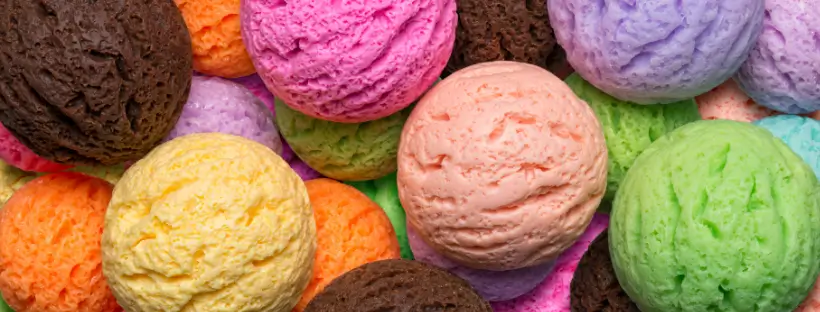
That vibrant pink strawberry ice cream or the deep chocolate swirl owes its intensity to more than nature. Artificial colors—like Red #40, Yellow #5, and Blue #1—are often added to make ice cream look more appealing. But behind those eye-catching hues lie potential risks.
Artificial colors are derived from petroleum, and several have been linked to hyperactivity and behavioral issues in children. Some studies have raised concerns about carcinogenic potential, especially in animal tests. While regulatory bodies consider the amounts used in food safe, these assessments often don’t account for the cumulative exposure from a diet filled with processed foods containing synthetic dyes.
It’s easy to underestimate the impact of these additives because the amounts per serving are small. But the issue is accumulation—especially for children, whose smaller bodies and developing systems may be more vulnerable.
The visual appeal of colorful ice cream can hide the lack of real ingredients and mislead consumers into believing the product is more natural than it is. Choosing brands that use natural colorings—derived from fruits, vegetables, or spices—can help you avoid this hidden risk while enjoying a more authentic treat.
7. Carrageenan

Carrageenan sounds harmless—after all, it’s derived from red seaweed. But while it’s often marketed as a “natural” additive, its effects on the body tell a more complicated story.
In ice cream, carrageenan acts as a stabilizer and thickener, giving the product a smooth, luxurious texture. But research suggests that carrageenan may trigger inflammation in the gut, leading to symptoms like bloating, discomfort, and digestive upset. Some animal studies have even linked it to the development of inflammatory bowel disease-like symptoms, raising concerns about its long-term safety.
The trouble lies in how carrageenan interacts with the body’s immune and digestive systems. It appears to stimulate inflammatory pathways in the gut, which can exacerbate conditions like irritable bowel syndrome (IBS) or other digestive sensitivities. While regulators consider carrageenan safe in food-grade forms, the debate continues over its potential to degrade into harmful compounds during digestion.
For those with sensitive digestive systems—or anyone simply looking to reduce unnecessary additives—avoiding carrageenan is a simple step toward a cleaner, more gut-friendly ice cream choice.
8. Guar Gum

Guar gum often sounds more natural than it is. Derived from guar beans, it’s a thickening and stabilizing agent used in many ice creams to create a smooth, creamy texture. But despite its natural origin, its effects on digestion can’t be ignored.
Guar gum is high in soluble fiber, which can offer benefits in moderation. However, when used in concentrated forms—as is common in processed ice cream—it can lead to digestive discomfort. Gas, bloating, and even diarrhea are common complaints, especially for those with sensitive digestive systems or irritable bowel syndrome (IBS).
The problem isn’t just the amount used in a single product. It’s the cumulative effect of consuming multiple processed foods containing thickening agents like guar gum, which can overwhelm the gut and disrupt natural digestion.
For many, guar gum doesn’t pose a serious health risk. But for those already managing digestive sensitivities, it’s worth considering ice creams that avoid unnecessary thickeners. The simplest approach? Look for brands with minimal ingredients—milk, cream, sugar, and real flavors—or consider making your own.
Final Thoughts

Ice cream isn’t the innocent indulgence it once was. From hidden emulsifiers to synthetic dyes and sweeteners, today’s store-bought varieties have morphed into ultra-processed food—containing much more than just milk and sugar. These additives aren’t just chemical names—they have real impacts on your body, from gut health to metabolic balance.
But this isn’t a call to fear dessert. It’s a call to awareness. When you know what’s in your food, you can make informed choices. Whether it’s choosing brands that use clean, transparent ingredients, experimenting with homemade recipes, or learning why your diet is making you sick—and how the ancestral diet heals, you have options.
Your health is worth more than a creamy texture or a long shelf life. And the more you know, the more empowered you become to enjoy treats that truly nourish, not just satisfy.
