
How to Choose a Career That Aligns With Your Passion and Purpose

Disclosure: If you make a purchase through the links provided, I may earn a small commission at no additional cost to you.
Choosing the right career is one of the most significant decisions you’ll make, yet it’s often clouded by uncertainty, external pressures, and fear of making the wrong choice. Instead of relying on guesswork or settling for the easiest option, it’s possible to take a structured, meaningful approach that aligns your work with your values, passions, and long-term goals. In this guide, we’ll walk through seven practical steps to help you identify a career path that not only fulfills you but also provides clarity and confidence as you move forward.

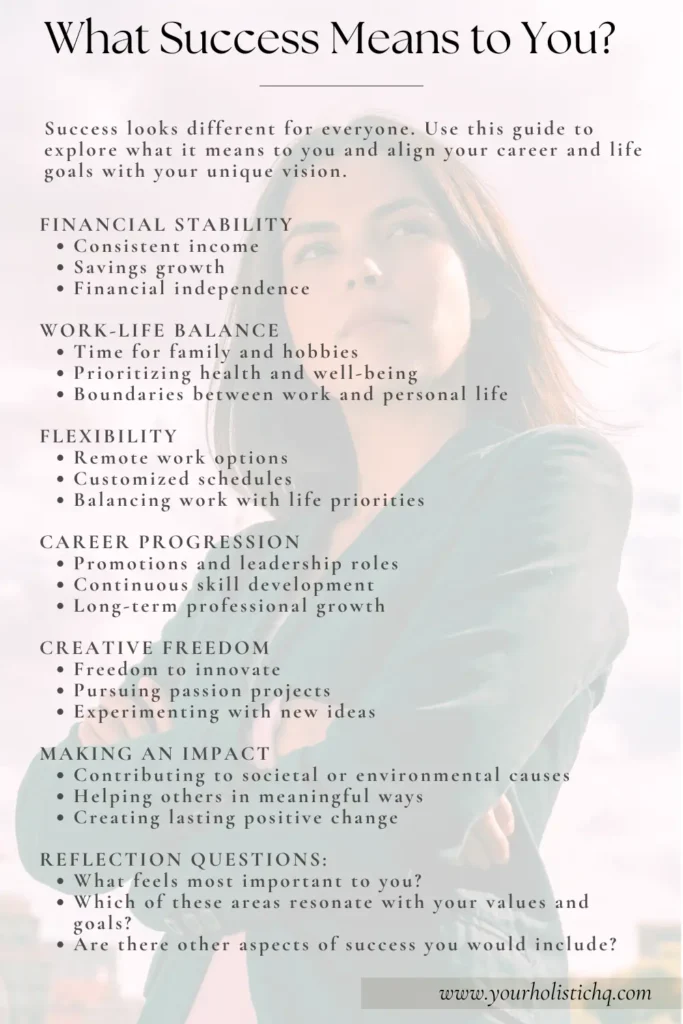
1. Define What Success Means to You

Success is deeply personal and looks different for everyone. For some, it may mean climbing the corporate ladder and achieving financial milestones, while for others, it’s about creating a balanced life with ample time for family, creativity, or travel. Before you can choose a career that aligns with your passion and purpose, take time to reflect on what success truly means to you. Avoid defaulting to societal definitions or external expectations; instead, focus on what brings you joy, fulfillment, and a sense of accomplishment.
Start by considering your non-negotiables—the core elements a career must offer to feel meaningful. These might include flexibility, the opportunity to make a difference, or the ability to work on projects that excite you. Write these down as a list or create a vision board to bring them to life. By clearly defining these priorities, you’ll have a reliable benchmark to assess whether a potential career aligns with your values and goals.
This step is essential because it lays the foundation for every decision you’ll make going forward. Without clarity about your definition of success, it’s easy to get sidetracked by attractive job titles or high salaries that don’t genuinely resonate with your values. When your vision of success is clear, it becomes a guiding principle that keeps you focused on opportunities that will bring you long-term satisfaction.
2. Analyze Your Energy Patterns

Understanding how your energy fluctuates throughout the day and during various activities can reveal valuable insights about the type of work that suits you. Energy is a more reliable indicator than productivity because it highlights what naturally excites and motivates you. Begin by observing your energy levels over a week or two, noting when you feel most engaged, focused, or drained. Pay close attention to the tasks or environments that contribute to these shifts—this can uncover hidden preferences or patterns.
For instance, do you feel energized after brainstorming sessions or problem-solving activities? Or do you thrive in structured, independent work environments? Conversely, are there tasks that leave you feeling depleted, no matter how much rest or preparation you’ve had? Journaling your observations can help identify these patterns, providing clarity about the types of roles or industries that align with your strengths and preferences.
This analysis is essential because it connects your career choice to your natural rhythms and inclinations. Rather than forcing yourself into roles that conflict with your energy flow, you can focus on opportunities that amplify your strengths and minimize burnout. Over time, this alignment leads to greater satisfaction and sustainability in your chosen career.
3. Leverage Your Ikigai

The concept of Ikigai, rooted in Japanese philosophy, offers a powerful framework for aligning your career with your passions and purpose. It encourages you to explore the intersection of four key areas: what you love, what you’re good at, what the world needs, and what you can be paid for. When these elements overlap, they create a sense of fulfillment and direction that goes beyond financial or societal success.
To apply this concept, start by brainstorming within each category. Under “what you love,” list activities, causes, or hobbies that bring you joy. For “what you’re good at,” identify skills or talents that others often recognize in you. “What the world needs” can include broader societal needs, like education, sustainability, or innovation, or smaller, community-level contributions. Finally, under “what you can be paid for,” research industries or roles that value the skills and passions you’ve identified.
This exercise goes beyond theory when you synthesize your answers to uncover practical career paths. For instance, if you love writing, have a talent for storytelling, see a demand for authentic content, and find industries willing to pay for it, you might explore roles in copywriting, journalism, or brand strategy. The key is to remain open and creative as you map your Ikigai, recognizing it as an evolving guide to careers that align with your passion and purpose.
4. Perform Reverse Engineering

Reverse engineering your career involves studying the paths of individuals who have achieved success in roles or industries you admire. Instead of starting from scratch, this approach allows you to learn from their experiences, identify key milestones, and map out a similar trajectory tailored to your unique circumstances. It’s a strategy that combines research with inspiration, offering a practical way to narrow down your career options.
Begin by identifying a few professionals whose careers resonate with you. These could be people you admire in your network, public figures, or thought leaders in your desired industry. Look at their career timelines—what educational paths did they take? Did they gain experience through internships, side projects, or specific roles? Note the skills they emphasize and any challenges they overcame along the way. This research can provide clarity on the steps you might need to take, such as certifications, networking, or gaining niche expertise.
As you gather insights, adapt them to your own strengths, goals, and life circumstances. While no two career paths are identical, patterns often emerge that can serve as a guide. For example, if a common theme is the importance of building a personal brand, consider how you can showcase your skills online. Reverse engineering gives you a clear starting point and helps you avoid common pitfalls, accelerating your journey toward a fulfilling career.
5. Use Career Visualization Techniques

Visualization is a powerful tool for gaining clarity about your career path. By vividly imagining yourself in different roles and environments, you can assess whether they align with your values, passions, and long-term goals. This technique allows you to test potential scenarios mentally, providing insights without the commitment of diving in headfirst.
To begin, set aside time to visualize your ideal workday in detail. Picture the type of tasks you’d handle, the environment you’d work in, and the people you’d collaborate with. Imagine how you’d feel at the end of a successful day—energized, satisfied, or eager for the next challenge. Then, contrast this vision with other possibilities. For instance, visualize working in a corporate office versus freelancing or pursuing a creative role versus a technical one. Journaling these experiences can help you identify patterns in what excites or disinterests you.
Career visualization works best when paired with research. Use what you’ve learned about potential industries and roles to make your visualizations as realistic as possible. If one scenario consistently feels right, it’s a sign to explore that path further. This exercise not only clarifies your preferences but also builds confidence, making the transition to your chosen career feel intentional and aligned with your personal vision.
6. Run Small Experiments

Before committing to a career path, it’s invaluable to test your interests through small, low-risk experiments. These experiments provide real-world insights into whether a particular role or industry aligns with your skills and passions. By taking small steps, you can gain clarity without the pressure of long-term commitments, making your career exploration more practical and focused.
Start by identifying ways to immerse yourself in a potential field. For example, consider internships, freelance projects, or volunteering opportunities in areas that interest you. If you’re drawn to a creative industry, try contributing to a small project or collaborating with someone in the field. If a technical role appeals to you, enroll in an introductory course or work on a personal project to test your aptitude and interest. These experiences can help you determine if the day-to-day realities of a career match your expectations.
As you experiment, pay attention to how you feel during and after these experiences. Are you energized and eager to learn more, or do you feel drained or disconnected? Use this feedback to refine your options and move closer to a career that resonates with you. Small experiments are invaluable not only for exploration but also for building a portfolio of skills and connections, which can pave the way for bigger opportunities down the road.
7. Design a Career Blueprint

Once you’ve gained clarity on your ideal career path, the next step is to create a structured plan to bring it to life. A career blueprint breaks your long-term goals into actionable steps, helping you stay focused and motivated while navigating potential challenges. This approach ensures your career growth feels intentional and achievable, rather than overwhelming or directionless.
Begin by setting a clear, measurable goal, such as landing a specific role, transitioning to a new industry, or starting your own business. Next, break this goal into smaller milestones. For example, if your aim is to become a graphic designer, your milestones might include enrolling in a design course, building a portfolio, and networking with professionals in the field. Assign realistic timelines to each step, ensuring they are both challenging and achievable.
Your blueprint should also include strategies for skill development and personal growth. Identify resources, like certifications, books, or mentorship opportunities, that can support your journey. Stay flexible, revisiting and revising your plan as needed based on new insights or changes in your circumstances. By following a well-crafted career blueprint, you create a clear pathway to success while remaining adaptable to opportunities that align with your goals and values.
Final Thoughts

Choosing a career that aligns with your passion and purpose is a transformative journey, one that requires thoughtful reflection, practical experimentation, and a willingness to adapt. By following the steps outlined, you can move from uncertainty to clarity, building a career that not only fulfills you but also resonates with your values and long-term vision.
Remember, this process isn’t about finding a perfect answer overnight—it’s about discovering what works for you through intentional exploration and consistent action. Careers evolve as life changes, so staying open to growth and new opportunities will ensure your path remains fulfilling and aligned over time.
Take the first step today by reflecting on your values and envisioning a future that feels truly meaningful. Your career journey is yours to shape—make it one that inspires and empowers you every step of the way.
