
How to Increase Energy Levels Naturally & Stay Energized All Day

Many people struggle with fatigue, blaming busy schedules or insufficient sleep. However, hidden factors often drain energy unnoticed, from dietary habits to lifestyle choices. By identifying and addressing these root causes, you can not only restore vitality but sustain it throughout the day. This guide dives into 10 overlooked energy saboteurs and provides strategies to help you feel energized naturally and consistently.
Disclosure: The information provided is for educational purposes only and not intended as medical advice. Consult a healthcare professional before making any changes to your health routine. If you make a purchase through the links provided, I may earn a small commission at no additional cost to you.
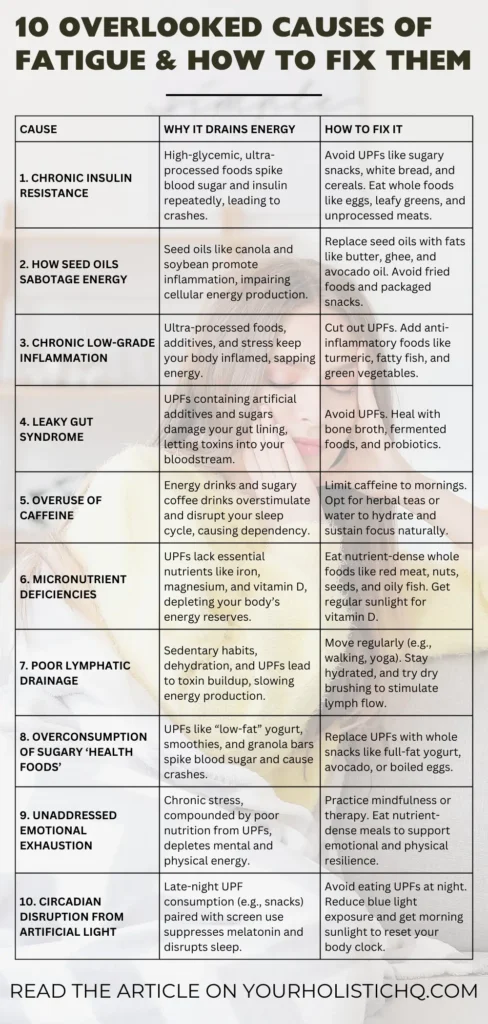
- 1. Chronic Insulin Resistance
- 2. How Seed Oils Sabotage Your Energy
- 3. Chronic Low-Grade Inflammation
- 4. Leaky Gut Syndrome
- 5. Overuse of Caffeine
- 6. Micronutrient Deficiencies
- 7. Poor Lymphatic Drainage
- 8. Overconsumption of ‘Health Foods’ High in Sugar
- 9. Unaddressed Emotional Exhaustion
- 10. Circadian Disruption from Artificial Light
- Final Thoughts



1. Chronic Insulin Resistance

Why Your Food Is Making You Tired
For years, we’ve been told that eating frequent, carbohydrate-heavy snacks and meals is the key to maintaining steady energy—but this couldn’t be further from the truth, and here’s why. Every time you consume high-glycemic foods—like bread, sugary cereals, or granola bars—your blood sugar spikes. This forces your body to release insulin to bring it back down, but the crash that follows leaves you tired and craving more sugar. Over time, these repeated spikes cause your cells to become resistant to insulin, a condition known as insulin resistance, which disrupts energy production and cellular repair. In contrast, practices like intermittent fasting allow your body to stabilize insulin levels and give cells the time they need to recover and function optimally. The dietary guidelines recommending high-carb, low-fat diets were heavily influenced by lobbying from the food industry, prioritizing profits over public health. A 2016 investigative report in JAMA Internal Medicine revealed that the sugar industry paid researchers in the 1960s to downplay sugar’s role in metabolic diseases and shift the blame to dietary fat—a narrative that persists today.
How Insulin Resistance Affects Energy
Insulin resistance is like having a broken fuel pump in your body. While insulin is supposed to deliver glucose into cells for energy, resistant cells reject it, leaving glucose trapped in the bloodstream. To compensate, your pancreas produces even more insulin, which temporarily stabilizes blood sugar but drains your energy and promotes fat storage. Hidden sugars like high-fructose corn syrup, maltodextrin, and even “natural” sweeteners like agave syrup—commonly found in “diet” foods, juices, and sauces—make the problem worse by keeping insulin levels elevated for hours. Meanwhile, low-glycemic, whole foods are often ignored in favor of ultra-processed options, thanks to billions spent on advertising. Real studies, like one published in The Lancet Diabetes & Endocrinology in 2019, show that low-carb, high-fat diets can reverse insulin resistance, but such findings are often overshadowed by industry-funded research promoting conventional diets.
How to Break the Cycle
Reversing insulin resistance begins with eliminating high-glycemic, ultra-processed foods from your diet. Ditch the sugary cereals, “low-fat” snacks, and processed meals filled with hidden sugars, and focus on nutrient-dense, low-glycemic foods like eggs, grass-fed meats, leafy greens, and healthy fats. Combining protein, fat, and fiber in meals—like avocado with eggs or nuts with non-starchy vegetables—helps stabilize blood sugar and reduces the need for insulin. Consider fasting or spacing meals to give your body time to reset and lower insulin levels naturally. The truth is out there, and it’s time to reject the narratives pushed by industries profiting from your poor health. With intentional changes, you can restore your energy, improve your health, and protect your future.
2. How Seed Oils Sabotage Your Energy

Why Seed Oils Are Draining Your Energy
Seed oils, commonly labeled as “vegetable oils,” are some of the most harmful and deceptive ingredients in modern diets. These oils—like soybean, canola, and corn oil—are not derived from vegetables but are industrial byproducts processed with high heat and chemical solvents. Despite being marketed as “heart-healthy” alternatives to natural fats, research such as a 1994 Lancet study has linked the high omega-6 content in seed oils to chronic inflammation, which disrupts energy production at the cellular level. Companies like Procter & Gamble heavily funded research in the mid-20th century to promote seed oils as replacements for traditional fats like butter and lard, influencing dietary guidelines that ignored their negative health impacts. These oils impair mitochondrial function, the energy centers of your cells, leading to fatigue and metabolic dysfunction.
Where Seed Oils Hide and Their Misleading Labels
Seed oils are present in most processed foods, from salad dressings and sauces to snack bars and baked goods. Even products labeled “made with olive oil” or “avocado oil” often contain only trace amounts of these healthier oils mixed with cheaper seed oils. Margarines marketed as “heart-healthy” replacements for butter typically use a similar strategy. A 2018 review in Nutrients linked seed oils to oxidative stress and insulin resistance, two major contributors to fatigue and chronic health issues. The pervasive use of seed oils persists because they are cheap, extend shelf life, and are backed by decades of marketing that downplays their risks while emphasizing cost-efficiency over health.
How to Avoid Seed Oils and Restore Energy
To restore energy and reduce inflammation, replace seed oils with stable, nutrient-dense fats. Use high-quality options like extra virgin olive oil, avocado oil, grass-fed butter, or ghee, ensuring they are pure by checking labels. Avoid packaged foods listing “vegetable oil,” “canola oil,” or similar ingredients, and cook at home whenever possible to control the fats you consume. When eating out, ask about the oils used and choose grilled or steamed dishes over fried options. By eliminating seed oils, you allow your cells to function more efficiently, reduce systemic inflammation, and improve energy levels, laying the foundation for long-term health.
3. Chronic Low-Grade Inflammation

Why Chronic Inflammation Drains Your Energy
Chronic low-grade inflammation is a silent but pervasive issue, and most people don’t even realize they’re dealing with it. Unlike acute inflammation, which is a natural and temporary response to injury or infection, chronic inflammation persists at low levels, quietly wreaking havoc on your body. It’s often triggered by factors like diets rich in ultra-processed foods, hidden sugars, and seed oils, as well as stress and poor sleep. This constant state of inflammation diverts your body’s energy toward managing the immune response, leaving less energy available for daily activities. Research published in Nature Medicine (2019) highlights how chronic inflammation impairs mitochondrial function, further disrupting your body’s ability to produce energy efficiently.
How to Identify and Address the Root Causes
One of the biggest contributors to chronic inflammation is diet. Foods with high levels of refined sugars, artificial additives, and inflammatory fats (like seed oils) create a constant burden on your immune system. Stress, insufficient sleep, and lack of physical activity add to this inflammatory state, creating a feedback loop of fatigue and low energy. Blood tests measuring markers like C-reactive protein (CRP) can reveal inflammation, but many people don’t get diagnosed because it’s not immediately life-threatening. This leaves millions unknowingly battling a condition that saps their vitality and promotes long-term health issues.
How to Reduce Inflammation and Restore Energy
Reversing chronic low-grade inflammation starts with lifestyle changes. Replace inflammatory foods with anti-inflammatory options like fatty fish, leafy greens, berries, and healthy fats such as olive oil or ghee. Incorporate habits like consistent exercise, stress reduction through meditation, and prioritizing quality sleep. Avoid ultra-processed foods, excessive alcohol, and sugar-laden snacks that keep your body in an inflamed state. Studies, including a 2018 review in Frontiers in Immunology, show that even moderate dietary and lifestyle changes can significantly reduce inflammation and improve energy levels. By addressing the underlying causes, you can restore balance, reclaim your vitality, and protect your long-term health.
4. Leaky Gut Syndrome

How Leaky Gut Drains Your Energy
Leaky gut syndrome, also known as increased intestinal permeability, is a condition where the lining of your gut becomes compromised, allowing toxins, undigested food particles, and harmful microbes to enter your bloodstream. This triggers an immune response that leads to chronic inflammation, taxing your body’s energy reserves. Many people don’t realize that fatigue, brain fog, and even food sensitivities can often be traced back to leaky gut. Common culprits include diets high in ultra-processed foods, gluten, excessive alcohol, and even overuse of medications like antibiotics and NSAIDs. Studies, such as one published in Nutrients (2020), have shown that leaky gut contributes to systemic inflammation and metabolic dysfunction, draining energy over time.
What Causes It and Why It’s Overlooked
The gut lining is a crucial barrier that protects the body, but it’s highly sensitive to modern dietary and lifestyle habits. Refined sugars, artificial additives, and ultra-processed foods can weaken this barrier, while stress, poor sleep, and lack of physical activity exacerbate the damage. These factors can lead to increased intestinal permeability, commonly referred to as leaky gut syndrome, which allows toxins and undigested particles to enter the bloodstream and trigger inflammation. Despite its growing recognition in research, leaky gut is not officially classified as a medical diagnosis in conventional medicine. Its symptoms, such as fatigue, digestive discomfort, and mood disturbances, overlap with other conditions like IBS, making it challenging to pinpoint and treat. Without standardized testing or consensus in diagnostic criteria, leaky gut is often dismissed or attributed to other issues, leaving the underlying problem unaddressed for many individuals.
How to Heal Your Gut and Regain Energy
Restoring your energy starts with repairing the gut lining. Focus on eating whole, nutrient-dense foods that support gut health, such as bone broth, fermented vegetables, and foods rich in prebiotics and probiotics like asparagus and plain, full-fat yogurt. Avoid inflammatory foods like gluten, refined sugar, and seed oils, which exacerbate gut damage. Incorporate stress-reducing activities, as chronic stress weakens gut integrity, and prioritize quality sleep to allow your body to repair. A 2019 review in Clinical Gastroenterology and Hepatology found that dietary changes and stress management are among the most effective strategies for reducing leaky gut and its associated fatigue. By healing your gut, you can reduce inflammation, stabilize energy levels, and feel better overall.
5. Overuse of Caffeine

How Caffeine Overuse Drains Your Energy
Caffeine is often seen as a quick fix for low energy, but relying on it too heavily can do more harm than good. While caffeine temporarily blocks adenosine, a chemical that makes you feel tired, it doesn’t eliminate fatigue—it just masks it. Over time, as your body adjusts to frequent caffeine intake, you need larger doses to achieve the same effect, leading to a vicious cycle of dependency. This overstimulation taxes your adrenal system and disrupts natural energy regulation, leaving you feeling more tired when the caffeine wears off. Studies, like one in Psychopharmacology (2016), reveal that chronic caffeine use can impair sleep quality, even if consumed early in the day, further contributing to exhaustion.
Why It’s Hard to Break the Habit
Caffeine is addictive, and it’s not just in coffee—it’s also in teas, sodas, energy drinks, and even medications. Many people don’t realize that they’re consuming far more than the recommended daily limit of 400 mg, which equates to about four cups of coffee. The “crash” experienced after caffeine wears off is often mistaken for natural fatigue, prompting people to reach for another cup, perpetuating the cycle. Meanwhile, disrupted sleep caused by caffeine leads to chronic tiredness, creating a long-term energy debt. The marketing of caffeine as a productivity booster adds to the problem, making it harder for people to recognize when it’s doing more harm than good.
How to Reduce Caffeine Dependency and Restore Energy
To break free from caffeine dependency, start by gradually reducing your intake to avoid withdrawal symptoms. Replace caffeinated beverages with alternatives like herbal teas or adaptogenic drinks that support natural energy regulation. Focus on lifestyle changes that address the root causes of fatigue: improve sleep quality, incorporate regular exercise, and prioritize nutrient-dense foods that provide sustained energy. Additionally, limit caffeine consumption to mornings only, as this minimizes its impact on sleep. A 2019 study in Sleep Medicine Reviews showed that better sleep hygiene and reduced caffeine reliance lead to significant improvements in daytime energy levels. By cutting back on caffeine, you can break the cycle of dependency and restore your body’s natural energy balance.
6. Micronutrient Deficiencies

How Deficiencies Drain Your Energy
Micronutrient deficiencies are a major yet overlooked cause of low energy. Essential nutrients like iron, magnesium, vitamin D, and B vitamins are vital for processes like oxygen transport, cellular energy production, and mitochondrial health. A lack of these nutrients often leads to symptoms such as fatigue, brain fog, and irritability. For instance, iron deficiency reduces oxygen delivery to cells, while magnesium deficiency disrupts over 300 enzymatic functions, including those involved in energy metabolism. Vitamin D, synthesized from sunlight, is crucial for immune function and energy regulation, yet studies show that many people, especially those in colder climates, have insufficient levels. Research in Nutrients (2015) has linked these deficiencies to chronic fatigue and reduced physical and mental performance.
Why Multivitamins Are Not the Solution
While multivitamins seem like an easy fix, many contain synthetic nutrients that the body doesn’t absorb well. For example, synthetic vitamin C (ascorbic acid) lacks the natural cofactors found in whole-food sources, which help absorption and effectiveness. Similarly, synthetic B vitamins may pass through the body without being properly utilized. Additionally, most multivitamins are filled with additives, artificial colors, and stabilizers that can burden the liver and digestive system. They often contain imbalanced doses, leading to either insufficient or excessive intake of certain nutrients. A 2017 study in Frontiers in Nutrition revealed that many multivitamins are formulated for shelf stability and profit margins, rather than human health, offering little actual benefit.
How to Correct Deficiencies and Regain Energy
The best way to address deficiencies is through a nutrient-dense, whole-food diet. Include iron-rich foods like red meat and spinach, magnesium sources like nuts and seeds, and fatty fish or egg yolks for vitamin D. If supplements are necessary, opt for high-quality, whole-food-based options or bioavailable forms like magnesium glycinate and vitamin D3 with K2. Avoid products with synthetic fillers or vague ingredient lists, and always prioritize improving nutrient absorption by supporting gut health with fermented foods and probiotics. A 2018 study in The American Journal of Clinical Nutrition found that correcting deficiencies with targeted supplementation and dietary improvements significantly boosts energy and cognitive function. By avoiding low-quality supplements and focusing on real, bioavailable nutrients, you can restore vitality and break free from the cycle of fatigue.
7. Poor Lymphatic Drainage

How Poor Lymphatic Drainage Drains Your Energy
The lymphatic system is a crucial part of your body’s detoxification and immune defense, but it’s often overlooked when addressing fatigue. This network of vessels and nodes removes waste, toxins, and excess fluid from your tissues, ensuring that your body functions efficiently. However, when the lymphatic system becomes sluggish—due to inactivity, dehydration, or inflammation—waste accumulates, and your energy levels plummet. Symptoms like fatigue, brain fog, and bloating are common signs of poor lymphatic drainage. A 2018 study in Frontiers in Physiology highlights how an overburdened lymphatic system can impair circulation and reduce oxygen delivery to tissues, further draining your energy.
Why It Happens and What Makes It Worse
Unlike the circulatory system, which is powered by the heart, the lymphatic system relies on movement to function. A sedentary lifestyle significantly slows lymph flow, while factors like dehydration and inflammation exacerbate blockages. Poor posture, tight clothing, and even high levels of stress can also restrict lymphatic circulation. Additionally, diets high in inflammatory foods and low in hydrating, nutrient-dense options further impair the lymphatic system. Despite its critical role, the lymphatic system is rarely addressed in conventional health advice, leaving many unaware that their fatigue may be linked to a stagnant lymph flow.
How to Improve Lymphatic Drainage and Restore Energy
Revitalizing your lymphatic system starts with simple lifestyle changes. Regular movement, such as walking, yoga, or rebounding (jumping on a mini-trampoline), stimulates lymph flow and helps flush toxins. Staying hydrated is essential, as lymph fluid is primarily water—drink clean, filtered water throughout the day. Practices like dry brushing and lymphatic massage can also enhance circulation by physically stimulating lymphatic vessels. Pair these habits with a nutrient-rich diet that includes anti-inflammatory foods like leafy greens, fatty fish, and berries, while avoiding inflammatory triggers like seed oils and refined sugars. Research published in Lymphatic Research and Biology (2020) shows that improving lymphatic flow not only reduces fatigue but also boosts overall immune function and vitality. By supporting your lymphatic system, you can clear out waste, restore energy, and feel more vibrant every day.
8. Overconsumption of ‘Health Foods’ High in Sugar

How So-Called ‘Health Foods’ Are Draining Your Energy
Many foods marketed as “healthy” are designed to deceive, not nourish. Products like low-fat yogurts, granola bars, and fruit smoothies may appear to be good choices but are often packed with hidden sugars and additives that sabotage your energy. Take low-fat yogurt, for example: the natural fats are stripped away, only to be replaced with thickeners, stabilizers, and up to 20 grams of sugar per serving to make up for the lost flavor. This sugar hits your bloodstream quickly, causing a spike in blood sugar and insulin, followed by a crash that leaves you tired and craving more. In contrast, full-fat Greek yogurt, a single-ingredient food, retains its natural fats, offering sustained energy and satiety without the need for added sugars or fillers. The obsession with “low-calorie” products is another part of the scam—designed to make foods appear healthier while hiding ingredients like maltodextrin and corn syrup that wreak havoc on your metabolism and provide little to no actual nutrition.
The Problem with Protein Powders and Other Deceptive Products
Protein has become a buzzword in marketing, but most protein powders and bars are far from healthy. Many are filled with artificial sweeteners, hidden sugars, synthetic flavorings, and cheap protein isolates that are hard for your body to process. Low-quality whey or soy protein is often paired with additives like carrageenan, xanthan gum, and “natural flavors”—a catch-all term that hides a cocktail of artificial chemicals. Some plant-based powders even test positive for heavy metals like lead and arsenic, as reported in a 2018 study by the Clean Label Project. These products might promise energy and muscle-building benefits but instead contribute to bloating, fatigue, and inflammation, thanks to their low bioavailability and inflammatory additives.
How to Avoid These Traps and Restore Energy
To break free from the energy crashes caused by deceptive “health” foods, start by eliminating ultra-processed foods altogether, especially those that spike insulin. This includes low-fat yogurts loaded with sugar, granola bars, sugary smoothies, and processed protein powders. Replace these with nutrient-dense, whole foods like eggs, grass-fed meats, full-fat plain yogurt, and non-starchy vegetables, which provide natural, sustained energy. For snacks, choose options like nuts, boiled eggs, or avocado slices that stabilize blood sugar rather than causing spikes and crashes. If you prefer a protein supplement, look for brands that prioritize transparency and simplicity, such as Wholier, which focuses on clean, plant-based formulas without the fillers, artificial ingredients, or sweeteners often found in conventional protein powders. By prioritizing whole foods and clean, additive-free alternatives, you can stabilize blood sugar, reduce inflammation, and restore your energy naturally.
9. Unaddressed Emotional Exhaustion

How Emotional Exhaustion Drains Your Energy
Emotional exhaustion is a silent energy thief that often goes unnoticed. It stems from prolonged stress, unresolved conflicts, or feeling constantly overwhelmed by life’s demands. Unlike physical fatigue, emotional exhaustion affects your mental and emotional reserves, leaving you feeling drained even when you’ve had enough sleep. Chronic stress triggers the release of cortisol, a hormone meant to help you cope with short-term challenges. However, when stress is constant, elevated cortisol disrupts your body’s natural rhythms, impairing sleep, increasing inflammation, and depleting energy levels. Studies published in Psychological Bulletin (2016) link emotional exhaustion to decreased cognitive function, motivation, and even physical vitality, creating a cycle that’s hard to break.
Why It Often Goes Ignored
Emotional exhaustion is often overlooked because its symptoms—such as irritability, lack of focus, and constant fatigue—are mistaken for signs of physical tiredness or burnout. Many people push through these feelings, believing they’re just part of a busy life, while others turn to quick fixes like caffeine or sugar for temporary relief. Societal pressures to stay productive and “power through” challenges exacerbate the issue, leaving little room for addressing the root causes. Unlike physical health issues, emotional well-being is rarely prioritized, making it easy to dismiss the warning signs until they manifest as more serious health problems like insomnia, anxiety, or depression.
How to Address Emotional Exhaustion and Restore Energy
Recovering from emotional exhaustion requires addressing its root causes. Begin by identifying stressors in your life, whether they’re work-related, relational, or personal, and seek ways to reduce or manage them. Incorporate stress-reducing practices like mindfulness meditation, journaling, or even therapy to process unresolved emotions. Physical activity, such as yoga or walking in nature, can also help regulate cortisol levels and improve mental clarity. Prioritize rest by setting boundaries with work and personal obligations and ensuring you have downtime to recharge. Research in Frontiers in Psychology (2018) highlights the effectiveness of mindfulness and restorative activities in reducing emotional exhaustion and improving energy levels. By addressing the emotional burdens weighing you down, you can restore both your mental resilience and physical vitality.
10. Circadian Disruption from Artificial Light

How Artificial Light Drains Your Energy
Artificial light, especially blue light emitted by screens and LED lighting, is a hidden disruptor of your energy. Your body’s circadian rhythm, a natural 24-hour cycle, relies on cues from sunlight to regulate sleep, hormones, and energy levels. Exposure to artificial light at night suppresses melatonin, the hormone that prepares your body for rest. Instead of winding down, your body remains in an alert state, making it harder to fall asleep and achieve restorative deep sleep. Over time, this disruption compounds, leading to chronic fatigue, impaired focus, and a weakened immune system. A study published in The Journal of Clinical Endocrinology & Metabolism (2019) found that even moderate nighttime exposure to blue light significantly impacts sleep quality and daytime energy.
Why It’s Hard to Avoid
Artificial light is everywhere—your phone, computer, TV, and even energy-efficient LED bulbs in your home. Most people spend their evenings immersed in screens, unaware of the harm it causes. The problem is compounded by irregular schedules, late-night work, and a lack of exposure to natural light during the day, which further confuses the body’s internal clock. Many of us assume feeling groggy in the morning or hitting an afternoon slump is normal, but these are often symptoms of circadian rhythm disruption caused by artificial light exposure.
How to Restore Your Circadian Rhythm and Energy
Recalibrating your circadian rhythm starts with reducing artificial light exposure in the evening. Dim household lights and avoid screens at least an hour before bed. If screen use is unavoidable, use blue-light-blocking glasses or enable the “night mode” feature on your devices. During the day, expose yourself to natural light as early as possible—this helps reset your internal clock and boosts morning energy. Establish a consistent sleep schedule by going to bed and waking up at the same time daily, even on weekends. Research in Sleep Medicine Reviews (2020) confirms that aligning your activities with your natural circadian rhythm improves sleep quality and energy levels. These small changes can significantly impact how rested and energized you feel throughout the day.
Final Thoughts

If you’re constantly tired, it’s not just because of your lifestyle—it’s because of hidden factors quietly draining your energy. Ultra-processed foods, loaded with chemicals and additives, are designed to create dependency, driving cravings and blood sugar crashes that leave you exhausted. Yet, when these foods cause weight gain or other health issues, the blame is placed squarely on you—your supposed lack of willpower or laziness—while the underlying role of these engineered products goes ignored. But food isn’t the only culprit. Chronic low-grade inflammation, nutrient deficiencies, poor lymphatic drainage, and emotional exhaustion all work together to sap your vitality, while mainstream solutions fail to address the root causes.
The system isn’t designed to help you thrive—it profits from keeping you stuck. Industry-funded research and marketing have pushed narratives that favor convenience and quick fixes, leaving people reliant on ultra-processed foods and unaware of their long-term effects. Studies like the 2024 BMJ review link these factors to chronic fatigue, inflammation, and metabolic disorders, but these truths are often overshadowed by marketing messages that focus on calorie counts or the illusion of health.
Reclaiming your energy means breaking free from these cycles. Prioritize real, nutrient-dense foods like eggs, grass-fed meats, leafy greens, and healthy fats that sustain your body without creating dependency. Address lifestyle factors like poor sleep and stress, and focus on rebuilding a foundation of health that supports lasting vitality. The truth is, your energy isn’t gone—it’s being stolen by systems that don’t have your best interests in mind. Take it back by making informed, deliberate choices that nourish and restore your body.
