
10 Shocking Ingredients in Everyday Vegan Foods You Need to Know About
Disclosure: If you make a purchase through the links provided, I may earn a small commission at no additional cost to you.
Vegan food is often marketed as the healthier choice, but many don’t realize that even plant-based staples like canned beans, packaged veggie burgers, or store-bought plant-based milks can be packed with hidden dangers—artificial preservatives, chemicals, and unhealthy oils. While processed vegan foods may offer convenience, they often undermine the health benefits you’re seeking.
In contrast, whole plant-based foods like fresh fruits, vegetables, quinoa, black rice, nuts, seeds, and dried beans are nutrient-rich and free from additives. Making your own plant-based milk is incredibly easy and allows you to avoid those additives—simply blend nuts, seeds, or oats with water and strain for a fresh, clean alternative.
In this article, we’ll expose the 10 most shocking ingredients hiding in your favorite vegan foods—because when it comes to plant-based eating, whole foods are the true, pure choice.
1. Vegetable Oils
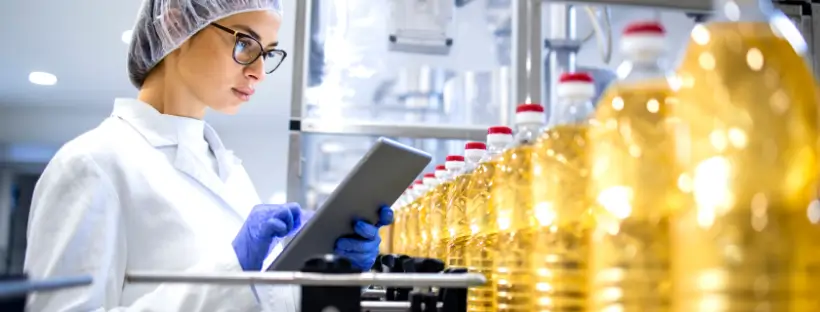
Vegetable oils, commonly used in vegan products like plant-based snacks, spreads, and meat substitutes, are often marketed as heart-healthy and plant-based. However, these oils—such as soybean, canola, sunflower, and palm oil—are heavily processed, which strips them of nutrients and introduces harmful byproducts. Beyond their refined nature, the hidden dangers of trans fats and labeling loopholes make vegetable oils a concerning ingredient for health-conscious consumers.
Trans fats, a harmful byproduct of hydrogenation, can be present in some vegetable oils used in processed foods. Hydrogenation is a process that stabilizes oils for longer shelf life but creates trans fats in the process. Trans fats are strongly linked to increased risks of heart disease, stroke, and systemic inflammation, as confirmed by research published in the American Journal of Clinical Nutrition. Shockingly, labeling regulations allow foods with up to 0.5 grams of trans fats per serving to be listed as “trans fat-free,” creating a loophole that misleads consumers into underestimating their intake. Over time, even small amounts of trans fats can accumulate, posing significant health risks.
Additionally, the high omega-6 content in many vegetable oils contributes to an unhealthy fatty acid imbalance. Diets rich in omega-6 but low in omega-3, common in processed food-heavy diets, have been linked to chronic inflammation, obesity, and cardiovascular issues. For those seeking a truly healthful plant-based lifestyle, it’s critical to avoid foods made with refined vegetable oils and focus on whole-food fats like avocados, nuts, seeds, and cold-pressed oils. These options provide natural, nutrient-dense alternatives without the hidden dangers of trans fats or misleading labeling practices.
2. Carrageenan

Carrageenan, a thickener and stabilizer derived from red seaweed, is a common additive in vegan foods like plant-based milks, yogurts, and cheeses. While it’s marketed as a natural ingredient, its potential health effects are far from benign. Studies have linked carrageenan to digestive issues, including inflammation and damage to the intestinal lining, raising concerns about its widespread use in foods considered healthier alternatives.
A review published in the Environmental Health Perspectives journal highlights that even food-grade carrageenan can trigger inflammation in the gut. Chronic inflammation, in turn, has been associated with more serious conditions such as colitis and even an increased risk of gastrointestinal cancers. Research from animal studies has further suggested that carrageenan could disrupt gut microbiota, potentially exacerbating digestive disorders like irritable bowel syndrome (IBS).
What makes carrageenan particularly troubling is its hidden presence in many vegan products. Consumers often assume plant-based alternatives are free from harmful additives, but carrageenan is commonly listed as a thickener, providing a deceptive sheen of healthfulness. To minimize exposure, individuals seeking a clean diet should choose products labeled as carrageenan-free and opt for whole-food alternatives or DIY options like homemade nut and oat milks for a safer, additive-free choice.
3. Monosodium Glutamate (MSG)
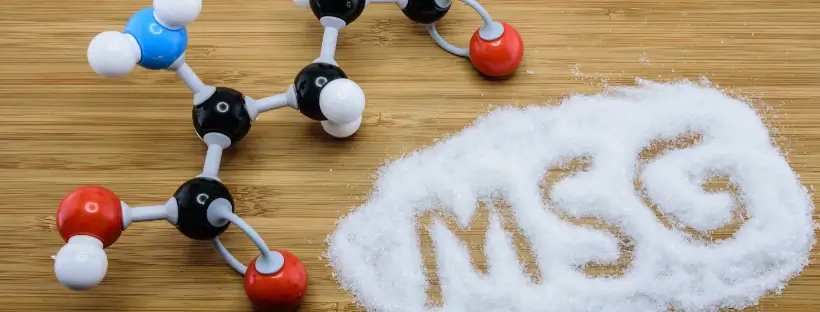
Monosodium Glutamate (MSG) is a flavor enhancer commonly found in processed foods, including some vegan products like plant-based meat substitutes, soups, and sauces. While it is derived from natural sources such as fermented starch or sugar, its concentrated form raises significant health concerns. MSG works by stimulating taste receptors, creating an umami flavor that enhances the overall taste of food. However, studies have shown that its overuse can lead to adverse health effects, especially for individuals sensitive to the additive.
One of the primary issues with MSG is its potential to overstimulate neurons, leading to what some researchers call “excitotoxicity.” A study published in Frontiers in Neurology suggests that excessive MSG consumption could trigger symptoms such as headaches, nausea, and even neurological issues in sensitive individuals. Though these effects are debated, the precautionary principle remains important, especially as MSG is often hidden under labels like “yeast extract” or “hydrolyzed protein,” making it difficult for consumers to avoid.
Beyond individual sensitivity, MSG has also been linked to unhealthy eating habits. Research published in Appetite highlights how MSG can increase cravings and food consumption by enhancing flavor intensity, potentially contributing to overeating and metabolic disorders. For those aiming for a health-conscious vegan diet, avoiding ultra-processed foods with hidden MSG is key. Opting for minimally processed plant-based options that derive natural umami flavors from mushrooms, miso, or nutritional yeast can provide a healthier and more transparent alternative.
4. Genetically Modified Organisms (GMOs)
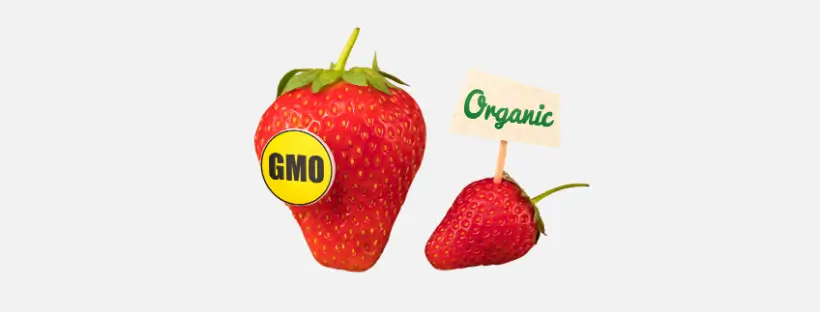
Genetically Modified Organisms (GMOs) are a silent yet prevalent addition to many vegan products, especially those containing soy protein isolates, corn derivatives, or highly processed plant-based oils. These ingredients are engineered to improve crop yields, resist pests, and tolerate chemical herbicides, but their inclusion in vegan foods is rarely discussed. For consumers aiming for a clean, health-focused diet, the hidden risks associated with GMOs can undermine the very benefits they seek from plant-based eating.
The primary concern with GMOs lies in their heavy reliance on herbicides, particularly glyphosate. Glyphosate, used extensively on genetically modified crops, has been classified as a probable carcinogen by the International Agency for Research on Cancer (IARC). Studies have linked chronic exposure to glyphosate with potential health risks, including hormonal disruption, liver damage, and cancer. Traces of this herbicide are often found in foods derived from GMO crops, meaning that consumers may unknowingly ingest harmful residues when consuming processed vegan products.
Beyond health implications, GMO farming contributes to significant environmental damage. Monoculture farming—where single crops like GMO soy dominate vast agricultural landscapes—reduces biodiversity, weakens ecosystems, and leaves crops vulnerable to pests and diseases that evolve resistance over time. Additionally, runoff from herbicide-treated fields pollutes water sources, harming aquatic ecosystems and surrounding wildlife. For those who value sustainable and ethical food systems, the presence of GMOs in vegan foods highlights the importance of seeking organic or non-GMO certified options, ensuring alignment with both health and environmental priorities.
5. Sodium Nitrate/Nitrites
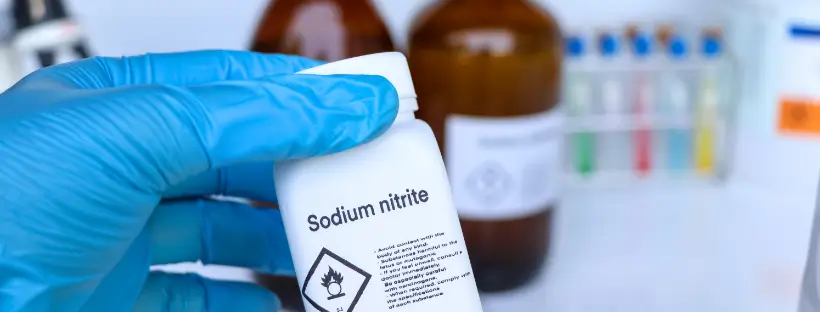
Sodium nitrates and nitrites are preservatives commonly used to extend shelf life, maintain color, and create the cured flavor in plant-based deli slices, sausages, and vegan bacon. While these additives mimic the taste and appearance of traditional meats, they come with serious health risks. When exposed to high heat during cooking or stomach acids during digestion, nitrites can form N-nitroso compounds (NOCs), which are classified as carcinogenic. Studies have linked these compounds to an increased risk of colorectal, stomach, and esophageal cancers, raising alarms about their use in foods marketed as healthier alternatives.
Research has also shown broader health risks linked to nitrites. The NutriNet-Santé cohort study revealed a higher risk of prostate cancer among individuals with increased consumption of nitrites from food additives, highlighting their potential to contribute to long-term harm. What’s more shocking is that these preservatives often fly under the radar, listed on labels in ways that consumers might overlook. The assumption that vegan products are inherently healthier means many people are unknowingly consuming chemicals tied to chronic diseases.
For health-conscious individuals, the inclusion of sodium nitrates and nitrites in vegan foods is a wake-up call. These additives, designed for convenience and appearance, undermine the integrity of plant-based eating. Avoiding them requires careful scrutiny of ingredient labels and a shift toward minimally processed plant-based options, free from harmful ingredients. Choosing clean, whole foods over products laced with hidden carcinogens is essential for supporting long-term health.
6. Artificial Colors and Flavors
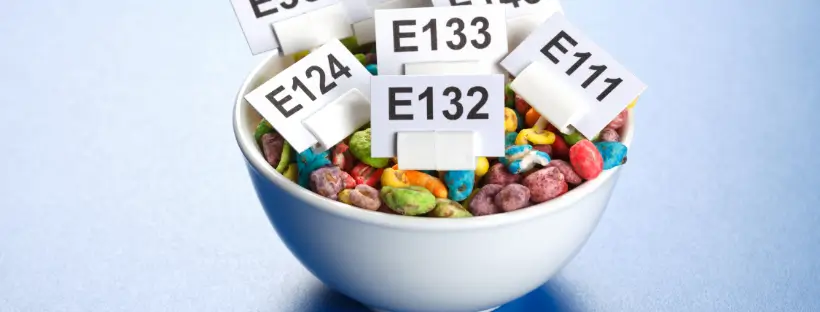
Artificial colors and flavors are often hidden in processed vegan foods like snacks, desserts, and meat substitutes, creating the illusion of vibrant, flavorful, and “natural” products. However, these synthetic additives come with significant health concerns. Artificial food dyes such as Red 40, Yellow 5, and Blue 1, commonly derived from petroleum, have been linked to behavioral issues in children, including hyperactivity and attention deficits, as highlighted in a meta-analysis published in Pediatrics. Beyond behavioral effects, Red 40 and Yellow 5 have been found to contain contaminants that may increase cancer risk, leading to stricter regulations in some countries.
Artificial flavors, another deceptive ingredient, are often chemically engineered to mimic the taste of real food, but their exact compositions are proprietary and undisclosed. Studies published in Toxicology Reports suggest that some artificial flavors may disrupt endocrine function and contribute to metabolic imbalances. By masking the lack of quality ingredients, these synthetic chemicals encourage overconsumption of processed foods, raising the risk of long-term health issues like obesity and chronic disease.
The use of artificial colors and flavors in vegan products reveals an unsettling truth: many plant-based foods marketed as clean and healthy rely on the same chemical shortcuts as conventional junk food. Consumers seeking to avoid these risks should focus on whole, minimally processed foods that derive flavor and color naturally from fruits, vegetables, and spices. Reading labels carefully is essential to sidestep these hidden dangers and make choices that truly align with a health-conscious lifestyle.
7. Textured Vegetable Protein (TVP)
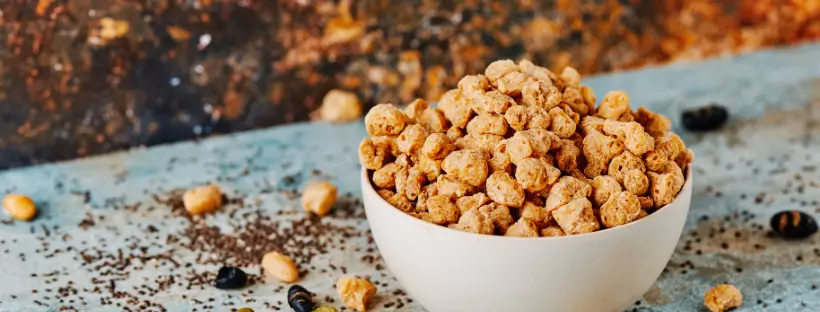
Textured Vegetable Protein (TVP) is a highly processed ingredient commonly found in vegan meat substitutes such as burgers, sausages, and crumbles. Made from defatted soy flour, a byproduct of soybean oil production, TVP undergoes extensive processing to achieve its meat-like texture. While it’s marketed as a high-protein, plant-based alternative, the manufacturing process and potential health impacts make it a controversial choice for health-conscious consumers.
One major concern with TVP is the use of hexane, a chemical solvent often employed during its production to extract oil from soybeans. According to a report by the Cornucopia Institute, trace amounts of hexane can remain in the final product, raising questions about its safety. Long-term exposure to hexane has been linked to neurological issues, though the FDA maintains that levels found in food are minimal. Additionally, much of the soy used in TVP production comes from genetically modified crops, which are frequently sprayed with glyphosate. As discussed in numerous studies, glyphosate has been associated with potential carcinogenic risks and hormone disruption, adding to concerns about TVP’s safety.
Beyond its production, TVP’s heavy reliance on processing strips it of many natural nutrients found in whole soybeans, leaving a product that’s nutritionally inferior to minimally processed options like tofu or tempeh. For those seeking a truly clean, plant-based diet, TVP highlights the need to prioritize whole foods over ultra-processed alternatives. Opting for lentils, beans, or whole soy-based products can provide the same protein benefits without the hidden risks of chemical solvents, additives, or GMO exposure.
8. BHA and BHT

BHA (butylated hydroxyanisole) and BHT (butylated hydroxytoluene) are synthetic antioxidants commonly used in processed vegan snacks, cereals, and oils to prevent rancidity and extend shelf life. Despite their widespread use, these chemicals are flagged for potential health risks, raising questions about their presence in foods marketed as healthier plant-based alternatives. The National Toxicology Program has classified BHA as “reasonably anticipated to be a human carcinogen,” based on studies showing tumor formation in animal tests.
In addition to carcinogenic concerns, BHT has been linked to endocrine disruption, a finding supported by research published in the Environmental Health Perspectives journal. The study highlighted how BHT interferes with hormone regulation, potentially contributing to reproductive and developmental issues. The inclusion of these additives in vegan products undermines the perception of clean eating, especially for consumers seeking to avoid harmful chemicals in their plant-based diets.
What makes BHA and BHT particularly insidious is their hidden presence under the guise of preserving freshness. These synthetic additives are often listed inconspicuously on ingredient labels, making them easy to overlook. For health-conscious individuals, avoiding products containing BHA and BHT is essential. Choosing fresh, minimally processed foods or those with natural antioxidants like vitamin E or rosemary extract offers a safer alternative without compromising health or sustainability.
9. Phosphates
Phosphates are a common additive in processed vegan foods like plant-based cheeses, deli slices, and meat substitutes, where they are used to improve texture, retain moisture, and extend shelf life. While they might seem harmless, excessive phosphate consumption is linked to serious health risks, including kidney damage, weakened bones, and cardiovascular disease. Studies published in the Journal of the American Society of Nephrology highlight how high phosphate intake, especially from food additives, can lead to vascular calcification, a condition that contributes to heart disease.
One of the most concerning aspects of phosphates is their hidden nature. Unlike naturally occurring phosphates found in whole foods like beans or nuts, phosphate additives are highly absorbable by the body, leading to elevated phosphate levels in the bloodstream. Research has shown that this overexposure can disrupt the delicate balance of calcium and phosphorus, weakening bones and increasing the risk of osteoporosis. For individuals with compromised kidney function, even moderate consumption of phosphate additives can exacerbate health issues by placing additional stress on the kidneys.
Despite these risks, phosphates often go unnoticed in vegan products marketed as clean or natural. They are listed under technical names like “sodium phosphate” or “calcium phosphate,” making it easy for consumers to miss their inclusion. Avoiding processed foods and opting for whole, minimally processed plant-based options can help reduce exposure to these harmful additives, ensuring a diet that prioritizes long-term health and well-being.
10. Maltodextrin
Maltodextrin, a highly processed carbohydrate, is a common ingredient in vegan snacks, sauces, and plant-based protein powders. Made from starches such as corn, rice, or potatoes, maltodextrin undergoes intensive hydrolysis to create a fine powder that thickens, stabilizes, or adds sweetness to food. While it may seem harmless, maltodextrin’s health implications are far from benign, especially for those prioritizing a clean, health-conscious diet.
One of the primary concerns with maltodextrin is its high glycemic index (GI). With a GI higher than table sugar, maltodextrin causes rapid spikes in blood sugar, leading to insulin surges that can contribute to diabetes and metabolic disorders over time. A study published in Frontiers in Nutrition highlights how frequent consumption of high-GI foods like maltodextrin can promote obesity and disrupt normal metabolic processes. Furthermore, maltodextrin can alter gut microbiota, potentially suppressing beneficial bacteria and increasing susceptibility to digestive issues and inflammation.
Another alarming aspect of maltodextrin is its association with genetically modified crops, particularly GMO corn. Unless specified as non-GMO, maltodextrin in processed vegan foods is often derived from genetically engineered sources, raising concerns about pesticide exposure and sustainability. For those seeking to avoid these risks, choosing whole, unprocessed plant-based foods—such as beans, lentils, and natural thickeners like arrowroot or tapioca—is a smarter way to maintain a truly clean diet while supporting overall health.
Final Thoughts
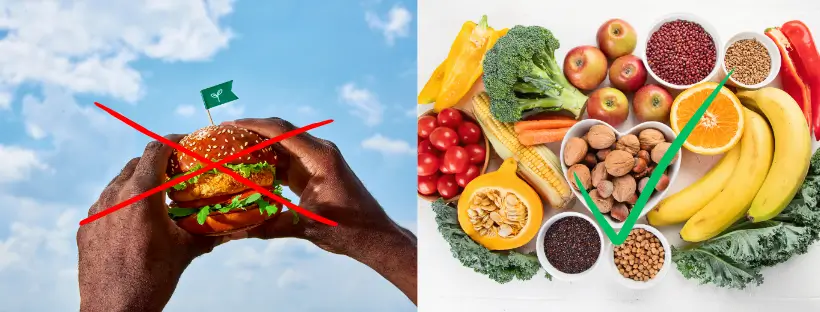
Many vegan products on the market today claim to offer a healthy, ethical alternative, but closer inspection reveals a troubling reality. Ultra-processed vegan foods, laden with artificial additives, preservatives, and synthetic ingredients, often compromise the very principles of health and sustainability they are supposed to embody. The inclusion of ingredients like trans fats, nitrates, carrageenan, and genetically modified crops exposes consumers to unnecessary risks, from long-term health complications to environmental harm.
The solution lies not in abandoning plant-based eating but in embracing whole, unprocessed foods that prioritize nutrient density and a more ancestral diet approach. Foods like fresh vegetables, fruits, legumes, nuts, seeds, and whole grains provide genuine nourishment, offering food-based vitamins and minerals without the hidden dangers of ultra-processed alternatives. These options align with health-conscious and ethical goals, supporting both your body’s needs and sustainable agricultural practices.
By choosing minimally processed, natural foods, you regain control over what you consume and prioritize long-term well-being over convenience. True health doesn’t come from clever marketing or prepackaged solutions—it comes from simplicity, transparency, and a return to real, wholesome ingredients. Make informed choices and let your diet reflect your values, health goals, and commitment to sustainability and ancestral wisdom.
