
7 Essential Oil Brands That Are Actually Pure—Not Just Marketing Hype
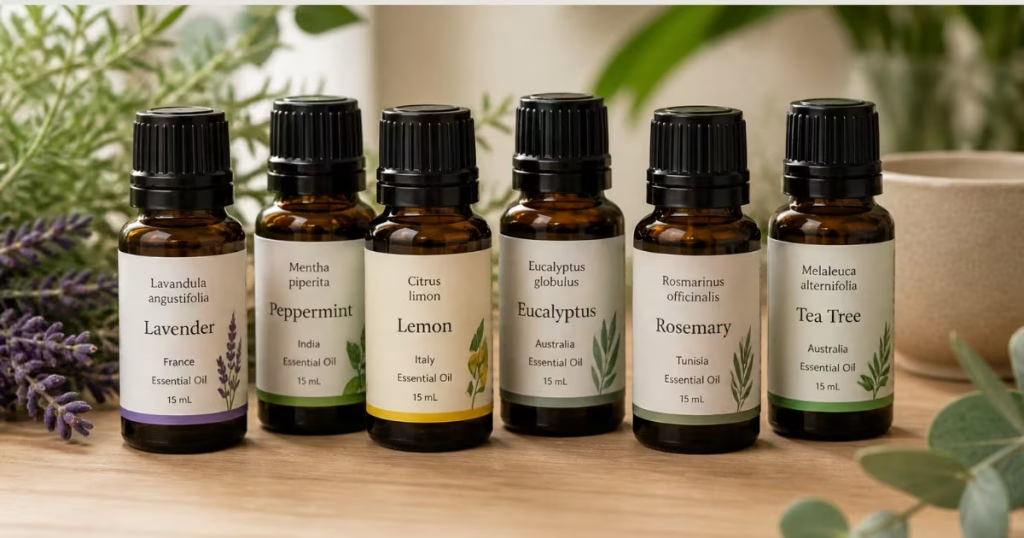
Essential oils are often marketed as if purity is obvious: a plant is distilled, the oil is bottled, and what reaches your home should simply be a concentrated version of that plant.
But that’s not always what ends up inside the bottle.
One of the least discussed parts of the essential oil industry is how easily oils can be diluted, chemically adjusted, oxidized, or blended with synthetic fragrance compounds while still appearing convincing to the average buyer. And because most people judge oils by scent, packaging, or branding, those differences often go unnoticed.
That matters because essential oils are highly concentrated plant compounds. Their quality depends heavily on sourcing, extraction methods, storage conditions, and whether a company is willing to verify what it’s actually selling.
There’s also no universal purity certification for essential oils. Marketing terms like “therapeutic grade” are not standardized or independently regulated.
The brands below stood out because they consistently provide stronger verification standards, clearer sourcing information, and more reliable production practices than most essential oils sold online.
Disclosure: This guide is for informational purposes only. If you make a purchase through the links provided, I may earn a small commission at no additional cost to you. As an Amazon Associate, I earn from qualifying purchases.
Quick Compare
What Makes an Essential Oil Pure?
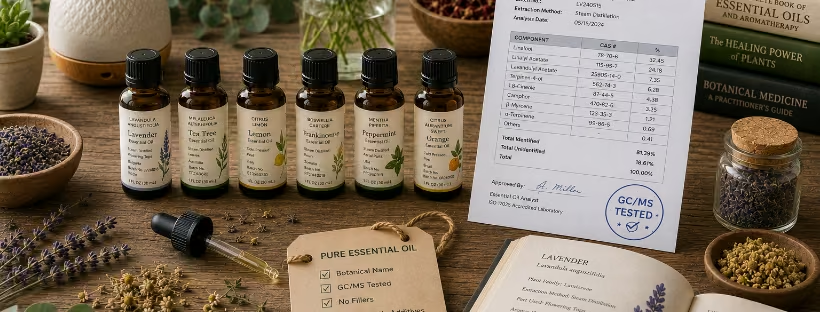
Essential oil quality varies far more than most people realize. While some claims are mostly marketing, the signals below can help you identify brands that are more transparent about testing, sourcing, and quality.
✅ GC/MS Tested: Batch-specific testing helps verify the oil’s chemical composition and screen for contamination or dilution.
✅ USDA Organic: Organic certification can add another layer of oversight around farming practices and pesticide exposure.
✅ Known Origin: Reputable brands usually disclose where their plants are sourced and grown.
✅ Full Botanical Names: Exact Latin plant names provide far more clarity than generic labels like “lavender” or “eucalyptus.”
✅ Amber Glass Bottles: Dark glass helps protect oils from light exposure and oxidation over time.
✅ Proper Extraction Methods: Steam distillation and cold pressing help preserve the oil’s natural chemical profile.
✅ Accessible Batch Reports: Some brands openly publish testing reports, while others provide little information beyond the label.
✅ Non-MLM Pricing: Expensive distributor models do not automatically mean better oils.
✅ Cruelty-Free Standards: Ethical production practices matter to many buyers looking for cleaner products overall.
If you want a deeper breakdown of what these standards actually mean — including dilution red flags, extraction quality, and how to evaluate labels — here’s how to tell if your essential oils are pure.
The 7 Essential Oil Brands I Recommend
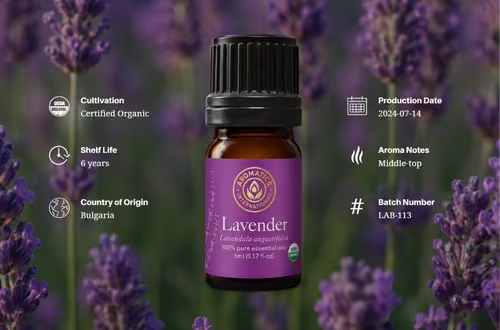
1. Aromatics International
GC/MS Tested · USDA Organic · Known Origin · Full Botanical Names · Proper Extraction Methods · Amber Glass · Batch Reports Available · Non-MLM · Cruelty-Free
Aromatics International focuses on sourcing transparency and detailed quality documentation rather than broad marketing claims. Every essential oil includes the botanical (Latin) name, country of origin, extraction method, and batch-specific GC/MS testing, with reports available for customers to review before purchasing.
The company works directly with growers and distillers to source essential oils from their native growing regions and provides detailed information about cultivation, harvesting, and production where available. While its selection is geared more toward serious essential oil users than budget shoppers, Aromatics International sets a high standard for transparency, testing, and product information.
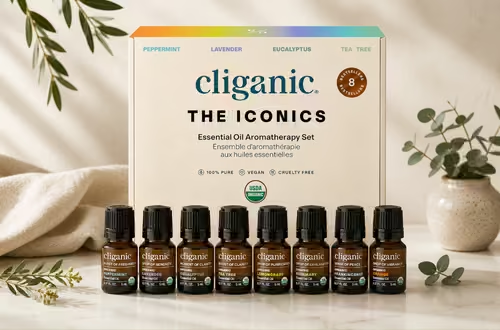
2. Cliganic
GC/MS Tested • USDA Organic • Known Origin • Full Botanical Names • Amber Glass • Non-MLM • Cruelty-Free
Save 20% with code HOLISTIC20 on the official website
Cliganic focuses on ingredient transparency and third-party verification rather than proprietary blends or vague purity claims. Its essential oils are GC/MS tested, many are USDA Organic certified, and product labels include the botanical (Latin) name, country of origin where available, and other key information that helps buyers compare products more confidently.
The company packages its oils in amber glass bottles to help protect them from light exposure and clearly identifies its ingredients instead of relying on broad marketing claims. While Cliganic does not publish the same level of batch-specific documentation as some specialist aromatherapy companies, it offers a strong combination of independent certification, transparent labeling, and accessible pricing.
3. Jade Bloom
GC/MS Tested • Known Origin • Full Botanical Names • Proper Extraction Methods • Amber Glass • Batch Reports Available • Non-MLM • Cruelty-Free
Save 10% with code HOLISTICHQ on the official website
Jade Bloom focuses on transparency, education, and direct sourcing rather than multi-level marketing or proprietary blends. The company provides botanical names, GC/MS testing, sourcing information, and educational resources to help customers better understand the essential oils they purchase.
In addition to its essential oil range, Jade Bloom publishes guides, videos, and training materials covering essential oil safety, blending, and everyday use. Its emphasis on product information and education makes it a good fit for buyers who want to understand how essential oils are sourced, tested, and used—not just what to buy.
4. Plant Therapy
GC/MS Tested • USDA Organic • Known Origin • Full Botanical Names • Proper Extraction Methods • Amber Glass • Batch Reports Available • Non-MLM • Cruelty-Free
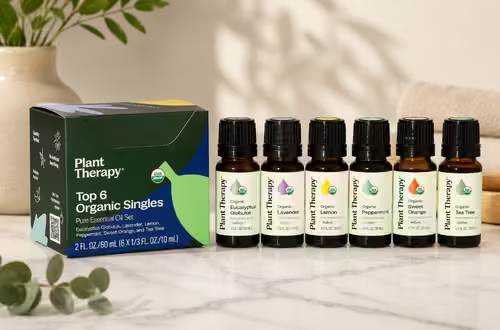
Plant Therapy has built its reputation around independent testing rather than marketing terms. Every batch of essential oil is verified through third-party GC/MS testing, with batch-specific reports published online alongside details such as the botanical name, country of origin, extraction method, and safety information. This makes it easy for customers to verify what they’re buying instead of relying on claims printed on the label.
Beyond testing, Plant Therapy works with certified aromatherapists and safety experts to develop its products and educational resources. Its emphasis on public batch testing, ingredient transparency, and practical safety guidance has made it one of the most trusted alternatives to higher-priced essential oil brands.
5. Edens Garden
GC/MS Tested • Known Origin • Full Botanical Names • Proper Extraction Methods • Amber Glass • Batch Reports Available • Non-MLM • Cruelty-Free
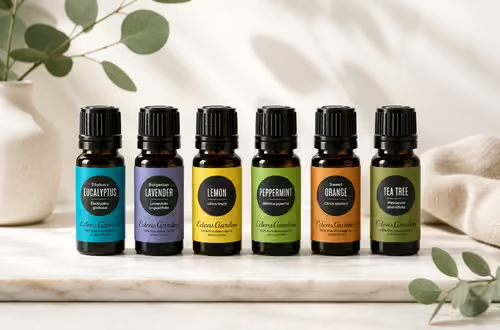
Edens Garden has built a reputation for offering independently tested essential oils without MLM pricing. Every batch is tested by an independent laboratory, and the company works directly with growers and distillers around the world to source its oils. It also explains its sourcing process, quality standards, and third-party testing so customers can better understand how its essential oils are evaluated.
The company offers more than 250 single oils, blends, carrier oils, and wellness products. Its wide product selection, independent testing, and direct-to-consumer pricing have made it a popular choice for buyers looking for high-quality essential oils without paying MLM prices.
6. Rocky Mountain Oils
GC/MS Tested • Known Origin • Full Botanical Names • Proper Extraction Methods • Amber Glass • Batch Reports Available • Non-MLM • Cruelty-Free
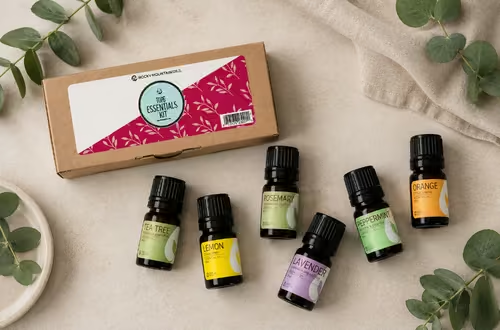
Rocky Mountain Oils evaluates suppliers before adding new essential oils to its range, with every batch independently GC/MS tested and supported by batch-specific reports that customers can access online. The company also explains its testing process and quality standards, making it easier to understand how each oil is evaluated before it reaches the bottle.
Quality control continues after testing, with additional in-house checks before products are bottled and sold. This emphasis on verification and traceability has made Rocky Mountain Oils a well-known non-MLM brand for buyers who want to see how their essential oils are tested before they purchase.
7. Revive Essential Oils
GC/MS Tested • Known Origin • Full Botanical Names • Amber Glass • Non-MLM • Cruelty-Free
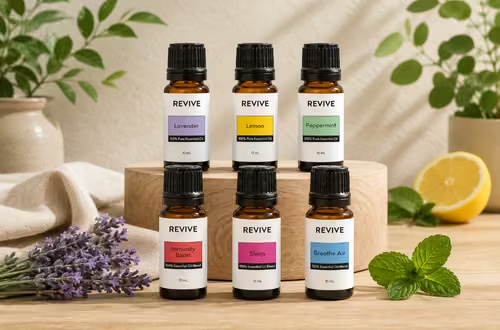
REVIVE has built its reputation by offering independently tested essential oils without the higher prices associated with MLM brands. Every batch is third-party GC/MS tested, and customers can access batch-specific reports to verify the quality of the oils they purchase.
Instead of using a distributor network, REVIVE sells directly to customers, allowing it to offer many comparable single oils and blends at lower prices. Its combination of independent testing, batch transparency, and direct-to-consumer pricing has made it a popular choice for buyers looking for a trusted alternative to MLM essential oil brands.
Final Thoughts
Essential oils occupy a strange space where products are often sold using emotional language long before buyers ever see meaningful information about how the oil was grown, extracted, stored, or tested.
That disconnect is part of what makes the industry so difficult to navigate. Two oils can look nearly identical online while differing dramatically in freshness, composition, plant quality, or chemical stability.
The brands in this guide are not interchangeable, and they are not flawless. But they consistently provide more information about sourcing, testing, and production standards than many essential oil companies currently competing for attention online.
And in an industry filled with vague promises and loosely regulated terminology, that level of disclosure matters far more than most marketing suggests.
