
7 Simple Ways to Boost Your Confidence and Self-Esteem

Building confidence and self-esteem is essential for personal and professional growth, serving as the foundation for a fulfilling life.
This article explores practical steps to enhance these crucial aspects of self-improvement, from setting achievable goals to surrounding yourself with positivity.
Each strategy is designed to help you cultivate a stronger sense of self-worth and navigate life’s challenges with resilience. Whether you’re aiming for minor adjustments or significant transformations, these tips offer a pathway to a more confident and positive self.
Ready to transform your life? Let’s begin.
What Is Self-Esteem?
Self-esteem is how you feel about yourself and what you think about your own abilities and worth. It includes your beliefs about whether you’re competent, important, and whether you consider yourself a success or a failure. This feeling plays a big role in your mental health, affecting your behavior, your happiness, and how well you believe you’re doing in life. High self-esteem means you feel good about yourself and respect yourself. On the other hand, low self-esteem can make you feel bad about yourself, leading to sadness or anxiety, and can impact how satisfied you are with life and your relationships.
1. Set Realistic Goals

Setting realistic goals is fundamental to boosting your confidence and self-esteem. Reflect on what you want to achieve to feel more confident and self-assured.
For instance, if you aspire to enhance physical fitness, set a realistic goal to jog for 20 minutes, three times a week, gradually increasing intensity over time.
Break down larger aspirations into manageable tasks aligned with your objectives. For professional growth, this might entail completing a certain number of online courses or attending relevant workshops within a designated timeframe.
Set flexible timelines and acknowledge your progress along the journey. Whether it’s saving a portion of your income monthly for financial goals or dedicating daily time to mindfulness practices, each achievable target contributes to your confidence and self-esteem.
With each milestone reached, you’ll find yourself growing in confidence and self-assurance, ready to tackle new challenges and reach even greater heights.
2. Practice Positive Self-Talk

The conversation you have with yourself inside your head plays a critical role in shaping your self-esteem and confidence. Negative self-talk can be a major barrier to feeling good about yourself.
Start by becoming more aware of your inner dialogue. When you catch yourself thinking negatively about your abilities or worth, pause and challenge these thoughts. Replace them with positive affirmations that focus on your strengths and potential.
For instance, instead of saying “I can’t do this,” tell yourself “I can learn how to do this with time and effort.” This shift in mindset can transform your outlook on life, making you more optimistic and resilient in the face of challenges.
Remember, the way you talk to yourself influences your self-perception, so make your words kind and encouraging.
3. Focus on Your Strengths

Everyone has unique strengths and talents, but it’s easy to overlook them when you’re focused on what you perceive as weaknesses. Take some time to identify what you’re good at and what you enjoy doing.
This might involve reflecting on past successes, asking friends or family for their observations, or trying out new activities to discover hidden talents. Once you’ve identified your strengths, find ways to incorporate them into your daily life.
This could mean taking on projects at work that play to your skills, pursuing hobbies that make you feel competent and joyful, or volunteering in roles that highlight your abilities.
Focusing on your strengths helps shift your perspective from what you can’t do to what you excel at, naturally boosting your self-esteem.
4. Learn New Skills
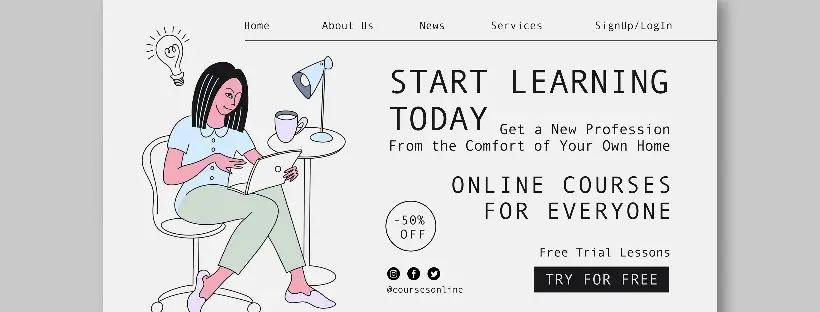
Learning new skills is a powerful way to boost your confidence and demonstrate to yourself that you are capable of growth and adaptation. Start by choosing something you’re interested in but haven’t yet mastered.
This could be a new language, a musical instrument, a sport, or a professional skill. Set aside regular time to practice and learn, treating each session as an investment in yourself.
As you progress and overcome challenges, you’ll not only gain a new skill but also tangible proof of your ability to set goals and achieve them. This process reinforces the idea that you are competent and capable of learning, which is a cornerstone of self-confidence.
5. Exercise Regularly

Regular physical activity is a cornerstone of both physical and mental health. Exercise releases endorphins, the body’s natural mood lifters, which can help reduce stress, anxiety, and feelings of depression.
Beyond the biochemical effects, exercising regularly helps you feel better about your body and your ability to meet physical challenges. Whether it’s a brisk walk, a yoga session, or a more intense workout, find an activity that you enjoy and can stick with.
The key is consistency and making exercise a regular part of your routine. As you notice improvements in your fitness and energy levels, your self-esteem will also get a boost.
6. Practice Self-Compassion

Self-compassion means treating yourself with the same kindness, concern, and support you’d offer a good friend. It’s about recognizing that everyone makes mistakes and faces challenges, and that these moments do not define your worth.
When you encounter setbacks or notice flaws, respond with understanding rather than harsh judgment. Remind yourself that imperfection is part of the human experience and that you deserve compassion, especially from yourself.
Practicing self-compassion can help you maintain a healthy relationship with yourself, fostering a solid foundation for building self-esteem.
7. Surround Yourself with Positive People

The people you spend time with can significantly influence your perceptions of yourself. Surrounding yourself with positive, supportive individuals who believe in you and encourage you can have a profound impact on your self-esteem.
These relationships provide a mirror that reflects your value and potential, sometimes even when you can’t see it yourself. Seek out friends, family members, and colleagues who uplift you and make you feel good about who you are.
Likewise, be mindful of relationships that drain your energy or undermine your self-confidence.
Cultivating a supportive social circle is like building a personal cheerleading team that cheers you on towards your goals and celebrates your successes.
Final Thoughts

In wrapping up, enhancing your confidence and self-esteem is a deeply rewarding journey that shapes a more fulfilling life. By embracing the seven key steps discussed—ranging from goal setting to surrounding yourself with positivity—you set the stage for personal transformation.
Remember, progress is a personal journey marked by small victories and continuous effort. Stay patient and persistent, and celebrate each step forward.
With these strategies in hand, you’re equipped to realize your potential and lead a life brimming with confidence and self-assurance.
