
Scents Through Time: The Fascinating History of Aromatherapy
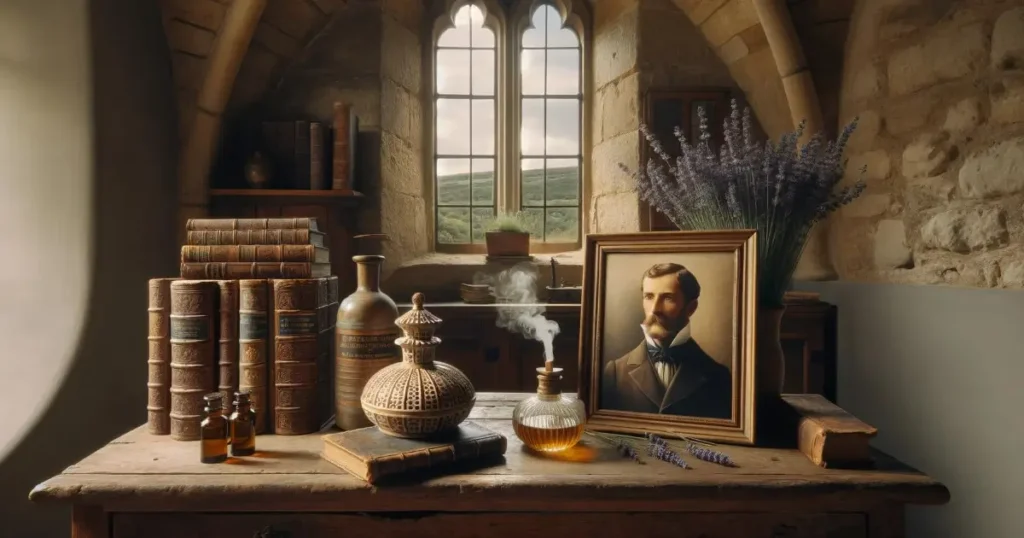
The history of aromatherapy stretches back thousands of years, starting with its use by ancient civilizations for healing, religious rituals, and personal hygiene. Its contemporary label, “aromatherapy,” emerged from a pivotal moment when René-Maurice Gattefossé, a French chemist, applied lavender oil to a burn, showcasing essential oils’ therapeutic benefits.
This event, occurring in the 20th century, fused age-old botanical practices with modern scientific insights, catalyzing the advancement of aromatherapy within holistic medicine.
Recognized today for its broad spectrum of benefits, including mood enhancement and pain alleviation, aromatherapy leverages the power of plant essences to foster well-being, reflecting a harmonious blend of tradition and science.
What Is Aromatheraphy?
Aromatherapy is a holistic healing practice that harnesses the therapeutic powers of natural plant extracts, especially essential oils, to enhance physical, emotional, and spiritual well-being. It involves the inhalation of essential oil aromas or their application on the skin, leveraging their potent properties to address a wide array of health concerns. This ancient practice, rooted in centuries of tradition, offers a natural pathway to stress relief, mood improvement, pain management, and better sleep, embodying a gentle yet effective approach to healing and self-care. Aromatherapy not only soothes the body but also calms the mind and spirit, making it a comprehensive wellness tool in today’s fast-paced world.
The Origins of Aromatherapy
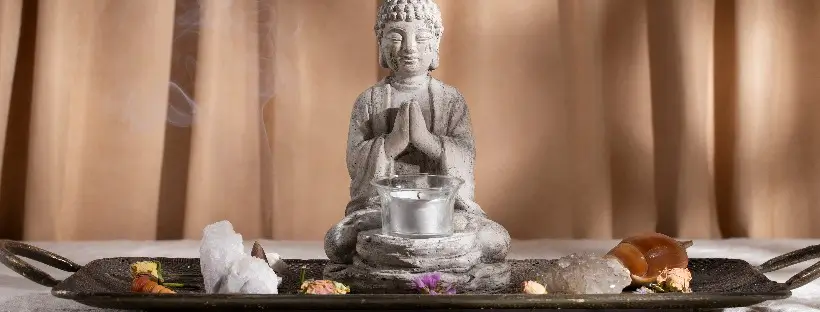
Aromatherapy has ancient origins, deeply rooted in the practices of early civilizations such as Egypt, China, and India. Egyptians used essential oils for mummification, religious ceremonies, and personal care, considering them sacred.
In China, as early as 2697 BC, “The Yellow Emperor’s Classic of Internal Medicine” emphasized the importance of aromatic herbs in maintaining body energy balance, a concept central to traditional Chinese medicine. Similarly, in India, Ayurvedic medicine, dating back over 3,000 years, utilized aromatic plants like sandalwood and jasmine for their healing and spiritual benefits, aiming to balance the mind, body, and spirit.
These cultures also incorporated aromatic plants into daily life for home purification, cooking, and perfume creation, showcasing a holistic lifestyle that linked health, environment, and spirituality. This historical use of plant essences laid the groundwork for modern aromatherapy, illustrating a continuous belief in nature’s power to enhance well-being and connect us more deeply with the natural world.
Aromatherapy in Ancient Egypt
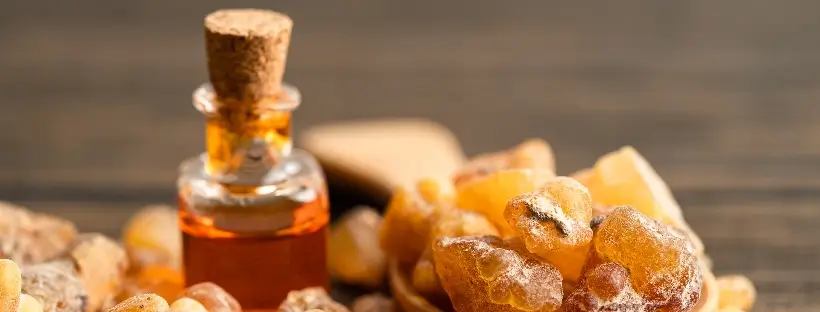
In the annals of history, ancient Egypt emerges as a civilization where aromatherapy was not merely a practice but a profound embodiment of religion, health, and beauty. The Egyptians harnessed the magic of essential oils like frankincense, myrrh, and cedarwood, substances that were as valuable as gold, to connect with the divine, preserve the dead, and enhance their allure.
The embalming process, a cornerstone of Egyptian culture, utilized myrrh and cedarwood oil to sanctify and preserve, bridging the mortal world with the afterlife in the belief that it eased the soul’s journey. Frankincense burned in temples filled the air with a heavenly scent, facilitating communication with the gods. Beyond the spiritual, these aromatic compounds found their way into daily beauty regimens.
Cleopatra herself, famed for her unmatched beauty, is said to have bathed in milk and honey infused with essential oils, showcasing the early understanding of their rejuvenating properties. This holistic integration of aromatherapy into every facet of life underscores ancient Egypt’s sophisticated use of aromatic plants, laying foundational practices that continue to inspire modern aromatherapy.
Aromatherapy in Ancient China and India
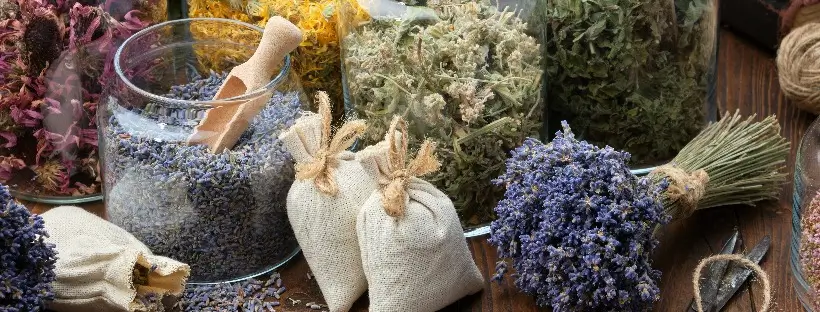
The ancient civilizations of China and India stand at the forefront of integrating aromatic plants into their cultural fabric, particularly through medicine and spirituality. In China, the legendary “Yellow Emperor’s Classic of Internal Medicine,” dating back to around 2697–2597 BC, catalogs the therapeutic use of aromatic herbs, marking one of humanity’s earliest medical texts. It illustrates a holistic approach where health is achieved by maintaining harmony between the body and its environment, with aromatic plants playing a crucial role in balancing bodily energies.
Conversely, India’s Ayurvedic medicine, a practice over 3,000 years old, weaves aromatherapy into its core principles. Ayurveda, meaning “science of life,” employs essential oils from plants like sandalwood and jasmine to harmonize the mind, body, and spirit. These aromatic oils are not just remedies but are considered vital forces that promote physical healing and spiritual elevation.
The Rigveda, one of the oldest known texts, details the use of plants and herbs, highlighting the ancient origins of aromatherapy in Indian culture. Together, ancient China and India’s contributions reflect a deep reverence for nature’s power to heal and balance, principles that continue to shape contemporary holistic practices.
Aromatherapy in Ancient Greece and Rome
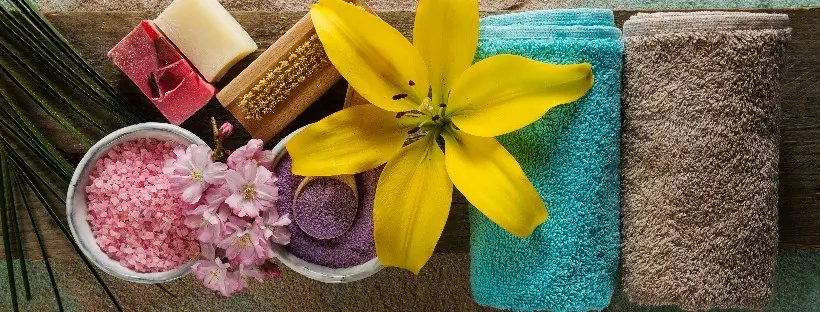
The cultures of ancient Greece and Rome significantly advanced the art and science of aromatherapy, with influential figures like Hippocrates and Pliny the Elder pioneering the medicinal use of aromatic plants. Hippocrates, often hailed as the “Father of Medicine,” advocated for aromatic baths and massages as essential components of health and wellness, suggesting that “the way to health is to have an aromatic bath and scented massage every day.” This practice underscored the belief in the healing power of plants not just for physical ailments but for overall well-being.
In Rome, Pliny the Elder’s “Natural History” serves as a testament to the extensive knowledge and use of aromatics in everyday life and medicine. Romans indulged in lavish baths infused with essential oils, transforming bathing into a ritual that cleansed the body and spirit. Aromatics were integrated into medical treatments, with physicians prescribing scented oils for a variety of conditions, highlighting their role in the early pharmacopeia.
The legacy of these ancient practices reveals a profound understanding of aromatherapy’s benefits, laying the groundwork for modern holistic health. The Greeks and Romans not only contributed significantly to the knowledge of plant-based medicine but also celebrated the sensual and spiritual joys of aromatic plants, a tradition that resonates in the heart of contemporary aromatherapy.
The Middle Ages and the Renaissance
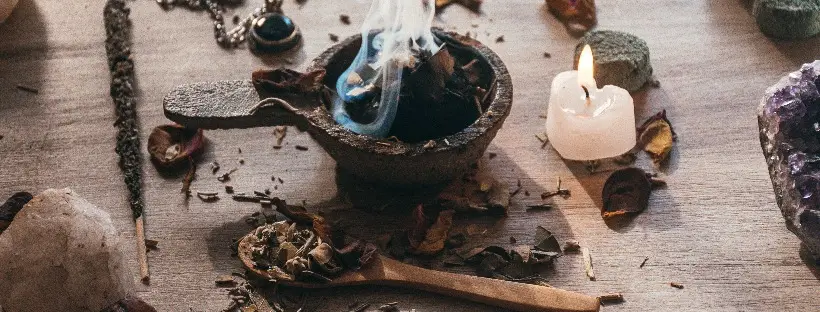
During the Middle Ages and the Renaissance, the knowledge of aromatics, preserved and enhanced by Arabic medicine, found a new vigor. Arab physicians and scholars, building upon the ancient texts of Greece, Rome, and the wider ancient world, became stewards of medicinal knowledge, including aromatherapy. Books like “The Canon of Medicine” by Avicenna (Ibn Sina), a comprehensive medical encyclopedia, elaborated on the use of essential oils, showcasing the depth of aromatic knowledge within the Islamic Golden Age.
This rich body of knowledge gradually made its way back to Europe, reintroducing aromatherapy concepts that had been overshadowed by the Dark Ages. The translation of Arabic texts into Latin during the 12th century played a crucial role in this process, illuminating European scholars and physicians to the lost art and science of aromatics.
This period witnessed the burgeoning of aromatherapy in medicine and the emerging art of perfumery, as European apothecaries began to distill essential oils, integrating them into medicinal practices and daily life. The Renaissance, a time of enlightenment and rediscovery, celebrated these aromatic compounds, further embedding them into the cultural and scientific fabric of Europe, setting the stage for their modern application.
The Modern Era of Aromatherapy
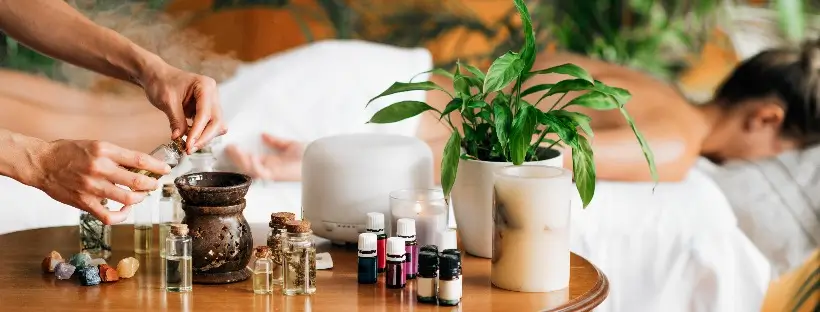
In the current landscape of health and wellness, aromatherapy has carved out a significant niche, successfully marrying age-old practices with the precision of modern science. At its heart lies the potent power of essential oils, extracted from the very essence of plants, which have been meticulously studied for their myriad benefits.
These oils, known for their ability to enhance psychological and physical well-being, are now a staple in stress relief, mood improvement, and holistic healing practices globally. The appeal of aromatherapy lies not just in its therapeutic efficacy but also in its simplicity and accessibility. With essential oils readily available and diffusers becoming a common household item, individuals can easily incorporate aromatherapy into their daily routines, creating personalized wellness rituals.
This ease of use, combined with a growing body of scientific research supporting its benefits, has propelled aromatherapy from niche to mainstream. Furthermore, aromatherapy’s integration into healthcare settings underscores its therapeutic potential.
From reducing anxiety in hospital patients to alleviating symptoms of depression, its application in medical contexts is a testament to its efficacy and growing acceptance among healthcare professionals. Its continued evolution, backed by both tradition and science, suggests a future where aromatherapy remains an integral part of our pursuit of health and well-being, blending the best of the natural world with our contemporary lifestyle.
Final Thoughts
In closing, aromatherapy’s evolution from ancient practices to modern-day wellness underscores its timeless appeal. Rooted in the wisdom of millennia and championed by pioneers like René-Maurice Gattefossé, it offers a natural path to well-being.
As we embrace aromatherapy in our lives, we honor a tradition that has nurtured human health through the ages. Let us continue to explore its potential, blending the ancient and the new, to enhance our holistic health journey. Aromatherapy’s journey from the past into our present lives is a reminder of nature’s power and the human capacity for discovery and healing.
As we look forward, let’s carry this heritage with mindfulness, allowing the essence of essential oils to guide us toward a balanced and harmonious existence.
