
Introduction to Aromatherapy: Nature’s Own Pharmacy
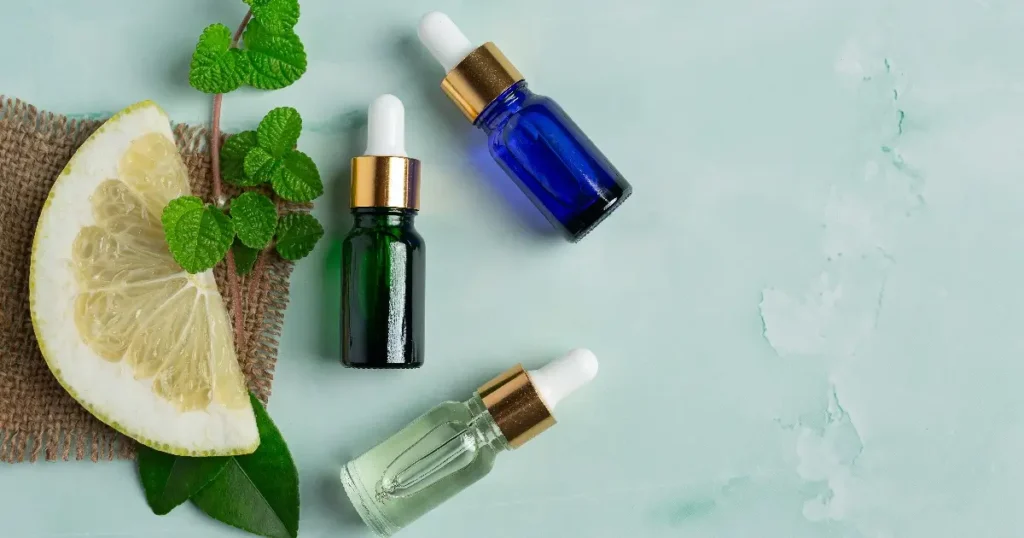
Diving into the essence of nature’s own pharmacy, aromatherapy offers a holistic healing approach that uses natural plant extracts, known as essential oils, to enhance well-being. Extracted from flowers, herbs, and trees, these oils can be diffused into the air, applied to the skin, or inhaled directly.
Each oil has its unique properties and benefits, ranging from relaxation and stress relief to energy boosts and improved cognitive function. By leveraging the therapeutic properties of essential oils, aromatherapy not only aims to improve physical and emotional health but also supports the body’s natural healing processes.
As we explore the transformative power of aromatherapy, you’ll learn how these essential oils can become a vital part of your wellness routine, offering benefits from stress reduction to enhanced sleep and pain relief. This journey through the ancient practice of aromatherapy will show you practical ways to integrate these natural essences into your life, helping you achieve a more balanced and harmonious state of being.

Getting Started with Aromatherapy
Aromatherapy harnesses the subtle power of nature through essential oils, offering a path to enhanced well-being. This chapter provides foundational steps for selecting essential oils and utilizing them to access their myriad health benefits.
Choosing Your Oils
The first step in your aromatherapy journey is selecting your essential oils. Starting with a few basic oils can make this process more manageable and enjoyable. Consider incorporating lavender, peppermint, and eucalyptus into your initial collection:
- Lavender: Known for its calming and relaxing properties, lavender oil is ideal for stress relief and improving sleep quality.
- Peppermint: This invigorating oil can boost energy levels and mental clarity, making it perfect for morning use or during midday slumps.
- Eucalyptus: With its refreshing and clear scent, eucalyptus is excellent for supporting respiratory health and clearing congested airways.
Understanding the properties and benefits of each oil is crucial. Researching these aspects will ensure you make informed decisions about which oils to incorporate into your wellness routine.
Methods of Use
To experience the benefits of aromatherapy, it’s essential to understand the various methods of using essential oils:
- Diffusion: Employing an oil diffuser is a simple and effective way to disperse the essence of essential oils into your environment. This method allows you to enjoy the therapeutic aromas throughout your living space, providing a constant source of benefit.
- Topical Application: Essential oils can be applied directly to the skin when mixed with a carrier oil, such as coconut or jojoba oil. This method is particularly effective for targeted relief, such as muscle tension or skin conditions. It’s vital to conduct a patch test before widespread use to ensure there is no allergic reaction.
- Inhalation: Inhaling the scent of an essential oil directly from the bottle, or by placing a few drops on a cotton ball, can offer immediate relief and is especially useful for respiratory benefits or stress reduction.
As you begin incorporating essential oils into your daily life, remember that quality matters. Opt for pure, high-quality essential oils to ensure you’re receiving the full therapeutic benefits. Additionally, always follow safety guidelines and consult with a healthcare professional if you have any concerns, especially if you are pregnant, nursing, or have underlying health conditions.
Through thoughtful selection and proper usage, aromatherapy can become a valuable and enriching part of your health and wellness practices, opening up a world of natural, fragrant solutions to enhance your physical and emotional well-being.
Understanding Essential Oils
Extraction Methods
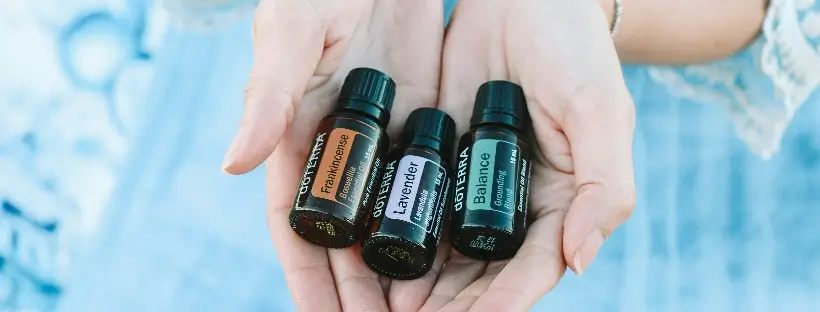
The quality and therapeutic properties of essential oils are significantly influenced by how they are extracted from plants. The three primary methods include:
- Distillation: This most common method involves steaming plant material to release essential oil molecules. The steam and oil are then cooled, separating the oil and water, with the oil capturing the plant’s essence.
- Cold Pressing: Primarily used for citrus oils, this mechanical method involves pressing the fruit peel to extract the oil. It preserves the oil’s freshness and original properties.
- Solvent Extraction: Used for delicate materials that cannot withstand the heat of distillation, this method utilizes solvents to extract the oil. The result is an absolute, which is more concentrated than essential oils obtained through distillation or cold pressing.
Each method impacts the oil’s chemical composition and therapeutic efficacy, making the choice of extraction crucial to the oil’s final use.
Chemical Composition
Essential oils are composed of many different chemicals, classified into families such as terpenes, esters, alcohols, aldehydes, and ketones. These families have general characteristics:
- Terpenes are known for their antiseptic properties and can uplift the mood.
- Esters offer antifungal benefits and tend to have a calming effect.
- Alcohols are noted for their antiviral and antibacterial properties, providing a boost to the immune system.
- Aldehydes and Ketones contribute to the oil’s calming and respiratory benefits, respectively.
Understanding these families helps in selecting oils for their therapeutic properties and potential interactions.
Therapeutic Properties
The chemical composition of an essential oil determines its therapeutic properties. Some common properties include:
- Antimicrobial: Many oils, like tea tree and eucalyptus, help fight off microbial infections.
- Anti-inflammatory: Oils such as chamomile and lavender can reduce inflammation and soothe irritation.
- Relaxing: Lavender and bergamot are well-known for their ability to calm the mind and improve sleep quality.
- Stimulating: Oils like peppermint and rosemary invigorate the senses and can enhance mental clarity and energy.
These properties make essential oils versatile tools in both preventive and active health care.
Quality and Purity
The efficacy of an essential oil greatly depends on its quality and purity. Factors that affect quality include the plant’s growing conditions, extraction method, and the presence of additives or adulterants. To ensure you are using high-quality oils:
- Source: Choose oils from reputable suppliers that provide detailed information about the oil’s botanical name, origin, and extraction method.
- Purity: Look for oils that are 100% pure and free from synthetic additives. Certifications and testing reports can provide assurances of purity.
- Storage: Proper storage in dark, airtight bottles helps preserve an oil’s integrity and effectiveness.
Incorporating essential oils into your life or practice requires a foundational understanding of their nature, benefits, and safety considerations. This knowledge ensures that you can make informed choices about which oils to use and how to use them, maximizing their potential to enhance well-being.
Essential Oil Safety

In the realm of aromatherapy, essential oils are celebrated for their myriad benefits, from promoting relaxation and reducing stress to enhancing mental clarity and physical well-being. However, despite their natural origins, these potent extracts command respect and caution in their use. Ensuring safety while enjoying the therapeutic advantages of essential oils is paramount.
Dilution: The Key to Safe Topical Use
One of the foundational principles of aromatherapy safety is the proper dilution of essential oils before they are applied to the skin. Pure essential oils are highly concentrated and can cause irritation or adverse reactions if used undiluted. Mixing essential oils with a carrier oil, such as jojoba, coconut, or almond oil, not only mitigates this risk but also enhances absorption through the skin. A general guideline for safe dilution is to aim for a concentration of 1-2%, which translates to about 6-12 drops of essential oil per ounce of carrier oil. This ratio ensures that you can harness the benefits of the oils without exposing your skin to potential irritants.
Ingestion: Proceed with Caution
The ingestion of essential oils is a topic surrounded by controversy and misunderstanding. While certain oils are marketed as food grade or safe for consumption, ingesting these potent compounds should only be considered under the guidance of a qualified healthcare professional or a certified aromatherapist. The internal use of essential oils requires an in-depth understanding of their chemistry, physiology, and potential interactions with medications or existing health conditions. For most, the safest approach is to enjoy the benefits of essential oils through inhalation or topical application, rather than internal use.
Allergies and Health Conditions: Consult a Professional
Before integrating essential oils into your wellness routine, especially for those with pre-existing health conditions, allergies, or for pregnant and nursing mothers, consultation with a healthcare provider is advised. Certain essential oils, despite their natural properties, can trigger allergic reactions or interact adversely with medications. For pregnant women, specific oils are recommended to be avoided due to their potential to stimulate contractions or affect the fetus. Similarly, individuals with conditions like epilepsy or high blood pressure should exercise caution and seek professional advice, as some oils can exacerbate these conditions.
Carrier Oils and Blending Techniques
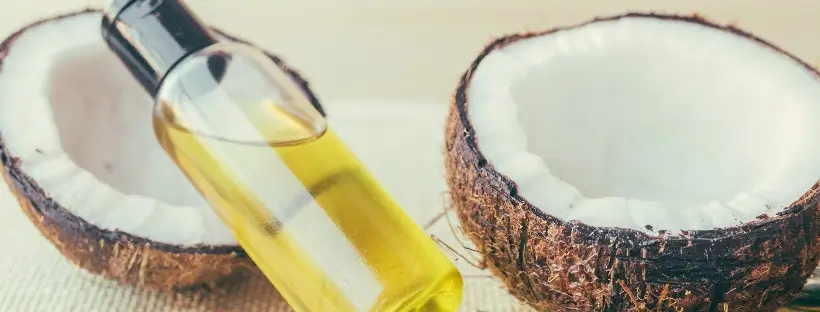
Carrier oils, often unsung heroes of aromatherapy, play a crucial role in the safe and effective use of essential oils. These oils, derived from the fatty portions of plants—such as seeds, kernels, and nuts—serve as a base to dilute essential oils before topical application. Unlike essential oils, which evaporate quickly due to their volatile nature, carrier oils remain on the skin, allowing for the therapeutic properties of essential oils to be absorbed more efficiently and safely.
Types of Carrier Oils
Each carrier oil brings its own set of benefits, characteristics, and uses to the table. Understanding these can help you choose the best oil for your needs:
- Jojoba Oil: Mimicking the skin’s natural oils, jojoba is perfect for all skin types and extends the shelf life of essential oils mixed with it.
- Coconut Oil: Available in refined and unrefined varieties, coconut oil is an excellent moisturizer and is ideal for dry skin. Its solid at room temperature but melts upon contact with the skin.
- Almond Oil: Rich in Vitamin E, sweet almond oil is a highly nourishing oil suitable for most skin types, especially dry skin.
Blending Basics
Blending essential oils is both an art and a science. A well-crafted blend considers the therapeutic properties of the oils and how their aromas interact:
- Top Notes: These are the first scents you perceive and tend to evaporate quickly. Examples include citrus oils like lemon and bergamot.
- Middle Notes: Representing the heart of the blend, these oils balance and harmonize the blend. Floral oils like lavender and geranium fit this category.
- Base Notes: These oils linger the longest and provide depth to the blend. Examples include earthy or woodsy oils like vetiver and cedarwood.
Safety and Dilution
Dilution is key to safe aromatherapy practice. A general guideline for dilution is a 2% solution for adults, which translates to about 12 drops of essential oil per ounce of carrier oil. For children or sensitive skin, a 1% dilution (or less) is recommended.
Practical Tips for Blending
Creating your blend involves experimentation and intuition. Here’s a basic guide to start:
- Choose Your Purpose: Decide what effect you want from the blend (e.g., relaxation, energy boost).
- Select Your Oils: Based on your goal, choose a combination of top, middle, and base notes.
- Test Your Blend: Mix a small amount of your chosen essential oils in a carrier oil and observe how the scents interact over time.
- Adjust as Needed: Based on your initial test, adjust the ratios or oils to better suit your desired outcome.
- Application: Decide on how you’ll use the blend—massage, skin care, or another topical application—and ensure it’s appropriately diluted.
By understanding and utilizing carrier oils and blending techniques, you can enhance your aromatherapy practice, creating safe, effective, and personalized aromatic experiences. Remember, the key to successful blending is not only in understanding the properties and interactions of the oils but also in allowing yourself the creativity to experiment and discover what works best for you.
Aromatherapy for Physical Health
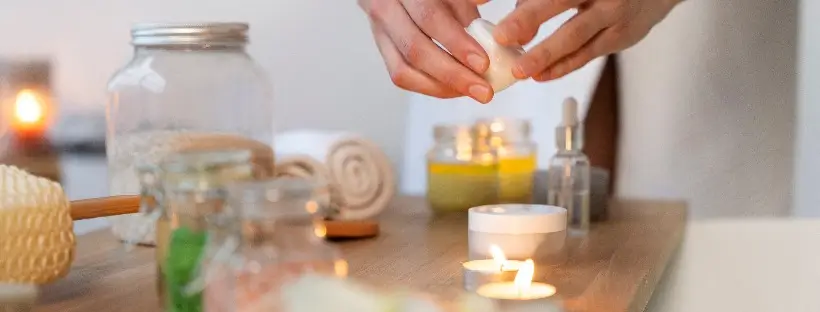
Aromatherapy, the therapeutic use of essential oils extracted from plants, offers a unique approach to enhancing physical health and wellness. Through the potent properties of these natural extracts, individuals can find relief from various physical ailments, ranging from pain and respiratory issues to skin conditions.
This chapter delves into the ways aromatherapy can be harnessed for physical health, highlighting specific essential oils and blends known for their effectiveness in pain management, respiratory health, and skincare.
Pain Management
Managing pain with aromatherapy involves using essential oils that possess analgesic (pain-relieving) properties. These oils can help alleviate muscle aches, joint pain, and tension headaches.
- Lavender is renowned for its ability to reduce pain and inflammation. It’s particularly effective for headaches and muscle or joint pain.
- Peppermint oil is invigorating and can soothe muscle aches and reduce headache pain, thanks to its cooling effect.
- Eucalyptus oil, with its anti-inflammatory properties, is excellent for relieving joint pain and muscle soreness.
Blending these oils with a carrier oil and applying them to affected areas or using them in a bath can provide significant relief.
Respiratory Health
Certain essential oils can support the respiratory system, aiding in the relief of congestion, soothing inflamed airways, and making breathing easier.
- Eucalyptus oil is a powerful decongestant, helping to clear nasal passages and lungs.
- Tea Tree oil has antimicrobial properties, making it beneficial in fighting respiratory infections.
- Peppermint oil acts as an expectorant, aiding in the clearance of mucus and relieving coughs.
Diffusing these oils or applying them topically (when diluted) to the chest and back can enhance respiratory health.
Skin Care
Aromatherapy can play a vital role in maintaining healthy, vibrant skin. Essential oils with antibacterial, moisturizing, and regenerative properties can address various skin issues.
- Tea Tree oil is a potent antibacterial agent, effective against acne and other skin infections.
- Frankincense oil promotes cell regeneration, making it excellent for aging skin and reducing the appearance of scars.
- Lavender oil is soothing and can help heal burns, cuts, and other skin irritations.
Incorporating these oils into your skincare routine, whether through direct application (diluted) or added to creams and lotions, can improve skin health and appearance.
Case Studies
Numerous studies and anecdotal evidence highlight the effectiveness of aromatherapy in addressing physical health issues. For instance, a study on postoperative pain revealed that patients who received aromatherapy with lavender oil experienced a significant reduction in their pain levels compared to those who did not.
Another example involves the use of eucalyptus oil in treating respiratory conditions, where patients reported improved breathing and reduced symptoms of congestion.
These case studies underscore the potential of aromatherapy as a complementary approach to traditional medicine, offering natural, holistic relief from various physical ailments.
Aromatherapy for Emotional and Mental Well-being
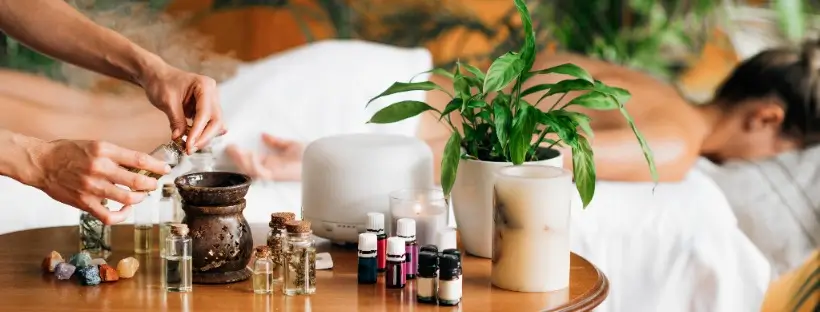
The profound connection between scents and our emotional and mental well-being is well-documented. Aromatherapy uses essential oils to tap into this connection. It offers a natural way to manage emotions, relieve stress, and enhance cognitive functions. Understanding this connection reveals how scents affect the mind and body, highlighting aromatherapy’s power to transform our emotional and physical states.
Mood Enhancement
Certain essential oils are particularly effective at uplifting the mood and combating feelings of sadness or lethargy. These oils often stimulate the release of neurotransmitters in the brain that play a role in mood regulation.
- Bergamot: Known for its uplifting and refreshing aroma, bergamot oil can help relieve depression and anxiety.
- Orange: The bright, citrus scent of orange oil is cheerful and can help reduce feelings of sadness.
- Ylang-Ylang: With its exotic and floral aroma, ylang-ylang is excellent for boosting mood and reducing feelings of anger and frustration.
Stress and Anxiety Relief
The ability of essential oils to induce relaxation and reduce feelings of stress and anxiety is one of the most appreciated benefits of aromatherapy.
- Lavender: Lavender oil is renowned for its calming and relaxing properties, making it ideal for stress relief.
- Chamomile: Chamomile oil, whether Roman or German, has a soothing effect that can help alleviate anxiety and promote relaxation.
- Frankincense: The warm, comforting scent of frankincense oil can deepen breathing and induce a sense of peace.
An effective blend for stress relief combines lavender, chamomile, and bergamot oils, offering a synergy that calms the mind and relaxes the body.
Cognitive Function
Enhancing mental clarity and concentration is another area where aromatherapy can be remarkably effective.
- Rosemary: Often associated with memory and cognition, inhaling rosemary oil can improve focus and mental alertness.
- Peppermint: Peppermint oil is stimulating and can help increase concentration and cognitive performance.
- Lemon: The crisp, clean scent of lemon oil has been shown to reduce errors and enhance attention during tasks.
Practical Applications
Integrating aromatherapy into daily routines for emotional and mental health benefits can be done in various ways:
- Diffusion: Using a diffuser to disperse essential oil into your living or workspace can create a supportive environment for emotional well-being and cognitive function.
- Topical application: Applying diluted essential oils to pulse points allows for the direct absorption of the oils, providing quick relief for stress or anxiety.
- Inhalation: Simply inhaling the aroma from an essential oil bottle or a cotton ball can offer immediate benefits, especially useful for mood enhancement or stress relief on the go.
Personal anecdotes and case studies further illustrate the effectiveness of aromatherapy in supporting emotional and mental health. For instance, a study involving patients with depression showed significant improvement in mood and reduced anxiety levels after regular use of bergamot essential oil.
Final Thoughts

As we wrap up our exploration of aromatherapy, it’s evident that this ancient practice extends far beyond just pleasant aromas; it opens up a path to holistic well-being. By thoughtfully choosing and applying essential oils, we can tap into the natural world’s profound ability to support our physical health, emotional stability, and mental clarity.
Aromatherapy encourages us to forge a deeper connection with the earth, leveraging the restorative power lying in its flora. Whether you seek physical pain relief, emotional stress reduction, or the simple pleasure of a serene, aromatic environment, aromatherapy provides practical and accessible means to achieve these goals.
As you venture further into your aromatherapy journey, prioritize safety and education. This approach ensures not only a beneficial but also a safe experience with essential oils.
The realm of aromatherapy is rich with opportunities for exploration and personal development. May your journey through this ancient practice bring you health, peace, and joy. Let the discovery of aromatherapy enrich your life, guiding you towards greater balance and well-being. Welcome to the inviting and fragrant world of aromatherapy—a path to healing, relaxation, and renewal.
