
13 Natural Remedies Your Doctor Won’t Mention—But Your Grandmother Trusted

There was a time when healing started in the kitchen—not the pharmacy. Garlic for infection. Honey for wounds. Turmeric for pain. These weren’t “alternative”—they were normal.
Today, most doctors won’t mention them. Instead, we’re offered monthly prescriptions that manage symptoms, not causes. Relief comes in measured doses, and healing takes a backseat to lifelong medication plans.
But the truth is, your body still knows how to heal—and nature still offers tools that work. Remedies your grandmother trusted. Remedies modern medicine rarely teaches. Remedies backed not just by tradition, but by real outcomes.
Let’s explore the 13 natural treatments your doctor may not bring up—but your grandmother definitely would.
Disclosure: The information provided is for educational purposes only and not intended as medical advice. Consult a healthcare professional before making any changes to your health routine.
- 🔑 Quick Summary
- 1. Soursop: A Tropical Healer for Inflammation, Immunity & Deep Sleep
- 2. Raw Honey: Nature’s Antibiotic for Healing, Immunity & Cough Relief
- 3. Garlic: The Heart-Health Remedy Doctors Rarely Prescribe—But Should
- 4. Turmeric: The Anti-Inflammatory Drug They’d Rather Sell You as a Pill
- 5. Cinnamon: Balances Blood Sugar—But Somehow Isn’t a “Real” Treatment
- 6. Echinacea: The Immune Defense Big Medicine Forgot On Purpose
- 7. Peppermint: Eases IBS, Calms the Gut, and Relieves Headaches—But Gets Brushed Off as Candy
- 8. Tea Tree Oil: Kills Acne, Soothes Scalp Issues, and Fights Infections—Yet Barely Makes the Dermatology Script
- 9. Valerian Root: Puts You to Sleep Without a Prescription—or a Warning Label
- 10. Ginger: Calms Nausea, Eases Pain, and Heals the Gut—But Gets Filed Under ‘Spice’
- 11. Lavender: Reduces Anxiety, Improves Sleep, and Calms the Mind—But Still Isn’t “Real Medicine”
- 12. Lemon: Detoxes the Liver, Boosts Immunity, and Fights Infection—But Medicine Calls It… Water Garnish
- 13. Matcha: Boosts Energy, Protects Cells, and Sharpens Focus—But Gets Ignored for Flashier Fixes
- ❓ FAQs
- Natural Remedies by Use Case
- Final Thoughts


🔑 Quick Summary
— These 13 natural remedies have been easing pain, boosting immunity, and promoting real healing for generations—long before prescriptions became the only answer.
— Garlic, turmeric, honey, and matcha aren’t “alternative.” They’re proven, time-tested tools modern medicine simply doesn’t profit from.
— Each remedy supports the root cause—inflammation, stress, gut imbalance, infection—not just the surface symptoms.
— They’re effective, affordable, and inconvenient for a system built around monthly refills.
— From better sleep to sharper focus and stronger immunity, these nature-backed solutions still work—and that’s exactly why they’re overlooked.
1. Soursop: A Tropical Healer for Inflammation, Immunity & Deep Sleep

In your grandmother’s time, remedies didn’t come in pill bottles—they came from trees.
And one of the most powerful? Soursop.
Also known as Graviola, this prickly green fruit has long been used in traditional medicine to calm the nervous system, ease inflammation, and strengthen the body’s defenses. And while modern research has begun to validate many of these uses, cultures around the world never needed a study to trust its healing power.
Why Soursop Deserves a Spot in Your Wellness Routine
- Fights Inflammation: Rich in antioxidants and plant compounds, soursop helps reduce internal inflammation, a root cause of pain and chronic disease.
- Boosts Immunity: Its high vitamin C content and antiviral properties make it a natural defense against infections.
- May Target Cancer Cells: Early lab studies suggest soursop extract may selectively attack cancer cells—though it’s no replacement for medical treatment.
- Supports Blood Sugar Balance: Some research indicates it may help regulate glucose, aiding those managing diabetes.
- Promotes Calm & Sleep: Soursop tea is a traditional sleep aid, known to calm anxiety and quiet the mind before bed.
How to Use It
Enjoy it fresh, blend it into juices, or brew the leaves into a soothing tea. It’s also available in capsule and extract form for convenience.
Soursop isn’t just a fruit—it’s a legacy of natural healing.
As modern life pushes synthetic fixes, this tropical remedy reminds us that real health starts with what nature already gave us.
2. Raw Honey: Nature’s Antibiotic for Healing, Immunity & Cough Relief

Before antibiotics had brand names, they had hives.
For centuries, raw honey was the go-to remedy for everything from sore throats to infected wounds. Your grandmother might have kept a jar in the kitchen—not just for tea, but for healing. And now, modern science confirms: honey isn’t just sweet—it’s smart medicine.
Why Raw Honey Still Belongs in Every Medicine Cabinet
- Kills Bacteria Naturally: Raw honey contains hydrogen peroxide, enzymes, and powerful antioxidants that help fight infection—no prescription needed.
- Soothes Coughs & Throat Irritation: Studies show it can be just as effective as over-the-counter syrups.
- Heals Wounds & Burns: Especially Manuka honey, which is rich in methylglyoxal (MGO)—a potent antimicrobial compound.
- Preserves Nutrients: Unlike processed honey, raw honey keeps its vitamins, enzymes, and pollen intact.
- Fights Inflammation: Its anti-inflammatory effects support overall immune and gut health.
Raw vs. Processed: What’s the Difference?
Most supermarket honey is heated and filtered—removing the very properties that make honey medicinal. Look for “raw,” “unfiltered,” or “unpasteurized” on the label. Local honey is even better, especially for seasonal allergy support.
3. Garlic: The Heart-Health Remedy Doctors Rarely Prescribe—But Should
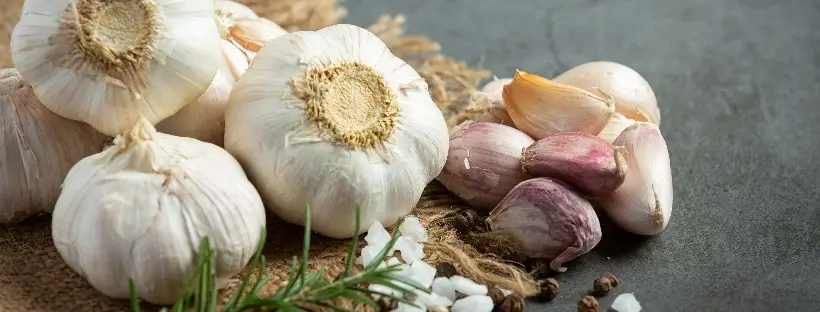
Garlic isn’t just food. It’s pharmacy-grade medicine hiding in your pantry.
For thousands of years, cultures around the world have used garlic to lower blood pressure, fight infection, and strengthen the immune system—without side effects, sales reps, or long disclaimers. So why isn’t it on every prescription pad?
Let’s just say this: garlic doesn’t need a patent.
What Garlic Quietly Delivers
- Lowers Blood Pressure & Cholesterol: The compound allicin helps relax blood vessels and improve circulation.
- Fights Bacteria & Viruses: It’s a natural antimicrobial, powerful enough to challenge pharmaceutical antibiotics in lab studies.
- Boosts Immunity: Garlic stimulates immune cells, helping your body respond faster and stronger.
- Supports Heart Health: Regular intake is linked to lower cardiovascular risk—without the long list of “possible side effects.”
Why It’s Overlooked
Garlic isn’t expensive, synthetic, or complicated. It doesn’t feed the medical supply chain. And it’s not new. That alone is enough to push it out of modern recommendations—despite the research.
Garlic may never come with a logo or slogan. But it works.
And in a world full of processed solutions, that might be exactly why it’s ignored.
4. Turmeric: The Anti-Inflammatory Drug They’d Rather Sell You as a Pill

Turmeric isn’t trending—it’s ancient. For thousands of years, this golden spice has been used to ease pain, heal joints, and calm chronic inflammation. Yet somehow, it’s still treated like a fringe supplement instead of what it actually is: a clinically supported anti-inflammatory powerhouse.
Why? Because when nature solves inflammation, no one gets a refill.
What Turmeric (and Curcumin) Actually Do
- Fights Inflammation at the Root: Curcumin, turmeric’s active compound, blocks key inflammatory pathways—similar to NSAIDs, but without gut damage.
- Eases Joint Pain & Stiffness: Especially in arthritis, where users report relief equal to—or better than—over-the-counter painkillers.
- Improves Gut & Metabolic Health: Reduces digestive discomfort, supports liver detox, and may help regulate blood sugar.
- Neuroprotective & Anti-Aging: Curcumin is being studied for brain health, memory, and reducing oxidative stress linked to aging.
Why You Won’t Hear About It at the Pharmacy
Turmeric can’t be patented. It’s cheap. And when it works, it doesn’t generate recurring revenue. So despite growing clinical evidence, it’s sidelined while synthetic anti-inflammatories stay center stage.
Turmeric won’t numb your symptoms. It addresses the cause.
And that’s not how the system makes money.
5. Cinnamon: Balances Blood Sugar—But Somehow Isn’t a “Real” Treatment

You’ve probably heard cinnamon is good for blood sugar. What you may not hear is just how good—or how well-documented.
Study after study shows that the right kind of cinnamon can improve insulin sensitivity, reduce fasting glucose, and support metabolic health.
But unlike certain injected treatments, it doesn’t require lifetime use or cost hundreds per vial.
So… guess where it ends up?
What Cinnamon (Especially Ceylon) Can Do
- Improves Insulin Sensitivity: Helps cells respond better to insulin, which is key in managing prediabetes and type 2 diabetes.
- Reduces Blood Sugar & Triglycerides: Clinical trials show measurable drops in fasting blood glucose and unhealthy fats.
- Supports Gut Health: Its antimicrobial properties help balance gut flora, which also influences metabolic function.
- Safer Long-Term Use: Ceylon cinnamon (not Cassia) contains minimal coumarin, avoiding liver strain with daily use.
Why It’s Not a Mainstream Tool
It works too well, costs too little, and doesn’t feed a single specialty or supply chain. Add to that the confusion between safe (Ceylon) and risky (Cassia) varieties, and cinnamon quietly gets dismissed as “just a spice.”
If cinnamon came in a branded box with a co-pay, it might already be FDA-approved.
Until then, it remains one of the most overlooked metabolic allies in your spice rack.
6. Echinacea: The Immune Defense Big Medicine Forgot On Purpose

You’ll hear about immune support when it’s synthetic, seasonal, and shelf-stable. But mention Echinacea—a wildflower used for generations to fight infections—and suddenly it’s labeled “unproven.”
Except it’s not. It’s just unpatentable.
What Echinacea Actually Does
- Activates Immune Cells: Stimulates macrophages and T-cells, helping your body mount a faster defense against viruses and bacteria.
- Fights Respiratory Infections: Research shows it can reduce both the risk of catching a cold and the duration of symptoms.
- Reduces Inflammation: Especially helpful in upper respiratory issues like sinus pressure, sore throat, and minor bronchial flare-ups.
- Best When Taken Early: Works most effectively at the first sign of symptoms—unlike many over-the-counter meds that just suppress.
Why It’s Downplayed
Echinacea doesn’t sell out every winter. You can grow it in your backyard. And while evidence is strong, it doesn’t fit the pharma-first immune narrative. There’s no blockbuster here—just a potent botanical that works when used right.
It’s not that echinacea doesn’t work. It’s that it works too well outside the system.
Sometimes, forgotten remedies stay forgotten on purpose.
7. Peppermint: Eases IBS, Calms the Gut, and Relieves Headaches—But Gets Brushed Off as Candy

Peppermint is everywhere—gum, soap, candles. But when it comes to serious relief for digestion or migraines? Suddenly it’s not “medical” enough.
That’s strange, considering clinical trials have shown peppermint oil can reduce IBS symptoms as effectively as prescription drugs—without the side effects.
Maybe it’s just too… familiar.
What Peppermint Actually Helps With
- Soothes the Digestive Tract: Menthol relaxes smooth muscles in the gut, easing cramps, gas, and bloating—especially in IBS.
- Relieves Headaches Naturally: Topical peppermint oil applied to temples reduces headache intensity in controlled studies.
- Eases Nausea: Aromatherapy or oral use helps calm queasy stomachs, especially during stress or motion sickness.
- Antimicrobial Bonus: Fights certain bacteria in the digestive system, contributing to a healthier gut biome.
Why It’s Ignored
It’s too easy to get. Too cheap. And too associated with casual wellness culture. But peppermint oil isn’t a trendy add-on—it’s a pharmacologically active plant with real therapeutic action. Just don’t expect it to be recommended over a branded GI prescription.
If peppermint came in a capsule with a $400 price tag, your doctor might mention it.
Until then, it stays in the “just a herb” category—exactly where it’s easiest to overlook.
8. Tea Tree Oil: Kills Acne, Soothes Scalp Issues, and Fights Infections—Yet Barely Makes the Dermatology Script

Tea tree oil is the kind of remedy that works so obviously, you’d think it would be standard-issue in skincare.
It’s antibacterial, antifungal, anti-inflammatory, and has decades of research behind it. But for some reason, you’re more likely to find it in a DIY aisle than a dermatologist’s prescription pad.
Maybe that’s because it doesn’t come with a co-pay—or a recurring refill.
What Tea Tree Oil Is Proven to Do:
- Reduces Acne Breakouts: Studies show it works as well as benzoyl peroxide—without the harsh side effects.
- Clears Dandruff & Itchy Scalp: Antifungal properties combat Malassezia, the yeast linked to dandruff and scalp irritation.
- Fights Fungal Infections: Athlete’s foot, nail fungus, and ringworm are no match for its potent antifungal compounds.
- Soothes Skin Inflammation: Helps reduce redness and swelling, especially in minor wounds, cuts, or rashes.
Why It’s Left Out of the Toolkit
It doesn’t require a prescription, a patent, or a brand campaign. And while its effects are clinically supported, it threatens the shelf space of entire categories of skin pharmaceuticals. So it stays “alternative”—even when it works better than the mainstream.
Tea tree oil isn’t a trend—it’s a botanical solution with receipts.
Just not the kind that show up in your insurance bill.
9. Valerian Root: Puts You to Sleep Without a Prescription—or a Warning Label

Insomnia’s a billion-dollar industry. There are pills to knock you out, apps to track your sleep cycles, and supplements that promise rest but leave your mind buzzing. Meanwhile, valerian root has quietly lulled people to sleep for centuries—no side effects, no dependence, no big pharma push.
So why don’t more doctors recommend it?
Because plants that work without creating dependency aren’t very profitable.
What Valerian Root Really Offers
- Deep, Natural Sleep: Enhances GABA activity in the brain—similar to how prescription sedatives work, but without the addictive aftermath.
- Reduces Anxiety: Calms the nervous system and lowers the mental noise that keeps you up.
- Improves Sleep Quality: Research shows users fall asleep faster and sleep deeper with regular use.
- No Hangover Effect: Unlike many sleep aids, it won’t leave you groggy in the morning.
Why It’s Not on the Sleep Aid Shelf at the Pharmacy
Valerian isn’t sedating in the conventional, numbing sense. It works with your body’s rhythms, not against them—and it doesn’t generate follow-up appointments or dependency. That’s not a flaw. It’s the threat.
If sleep was treated like a right—not a subscription model—valerian would be in every medicine cabinet.
Instead, it’s sidelined as “folklore,” despite doing what many lab-born pills still can’t.
10. Ginger: Calms Nausea, Eases Pain, and Heals the Gut—But Gets Filed Under ‘Spice’

Ginger isn’t just a kitchen staple. It’s one of the most well-studied natural anti-nausea and anti-inflammatory remedies on Earth—yet it’s rarely framed that way in clinical care.
Maybe because it doesn’t need a warning label. Or a pharmacy. Or a 30-day refill.
What Ginger Quietly Solves
- Nausea from Pregnancy, Chemotherapy, or Motion: Proven effective across the board—without the foggy side effects of OTC meds.
- Reduces Gut Inflammation: Supports digestion, relieves bloating, and helps heal the gut lining.
- Natural Pain Relief: Its anti-inflammatory action rivals NSAIDs for things like menstrual pain and joint discomfort.
- Antioxidant Powerhouse: Gingerol, its key compound, helps reduce oxidative stress in cells—supporting long-term wellness.
Why It’s Not Taken More Seriously
Ginger is cheap, familiar, and unbranded—three strikes in the pharmaceutical world. Despite being backed by clinical studies and global use, it’s often relegated to “home remedy” status while newer, less effective (but more profitable) solutions get the spotlight.
If ginger were a lab creation, it would already be a patented anti-nausea blockbuster.
But it grew in the ground, not a factory. So it gets ignored—until people start waking up.
11. Lavender: Reduces Anxiety, Improves Sleep, and Calms the Mind—But Still Isn’t “Real Medicine”

Lavender gets typecast as aromatherapy fluff. Pretty. Pleasant. Harmless.
But behind the scent is one of the most researched natural treatments for anxiety and sleep disorders—often outperforming pharmaceuticals in studies.
So why is it still dismissed as “wellness adjacent”?
Because lavender doesn’t sedate you. It restores balance. And balance doesn’t sell.
What Lavender Really Delivers
- Reduces Anxiety Naturally: Inhalation and topical use both lower cortisol and calm the nervous system—clinically shown to ease stress in high-pressure settings.
- Improves Sleep Quality: Helps you fall asleep faster and stay asleep longer, without the side effects of prescription meds.
- Mood Support: Promotes emotional well-being and has mild antidepressant-like effects—again, without the chemical fog.
- Safe and Non-Addictive: No risk of dependence or withdrawal, even with regular use.
Why It Gets Overlooked
Lavender can’t be monetized like a pill. It’s not sedating enough to require medical supervision—but it works too well to be ignored. So it floats in the “spa shelf” category, rarely mentioned in clinical conversations—despite its evidence base.
If calming your mind came with a co-pay, lavender would be a first-line treatment.
Instead, it’s dismissed as scent therapy—even though it’s biochemical, not just botanical.ical, offering a gentle yet effective approach to managing anxiety and sleep issues. Whether used in aromatherapy, personal care products, or herbal teas, lavender provides a holistic way to enhance well-being, promoting peace of mind and restful sleep through the power of nature.
12. Lemon: Detoxes the Liver, Boosts Immunity, and Fights Infection—But Medicine Calls It… Water Garnish
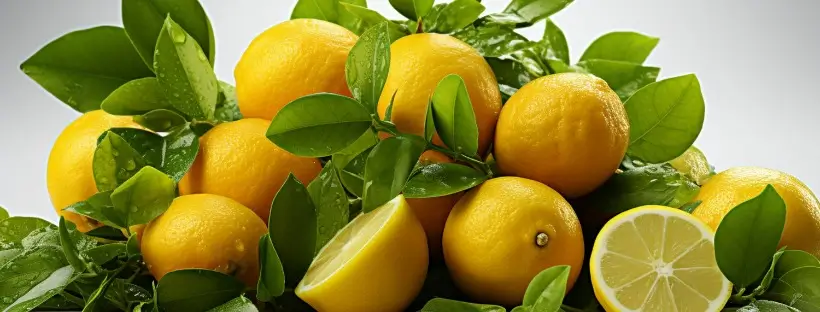
Lemon water gets treated like a wellness cliché. A trendy ritual. A lifestyle flourish.
But here’s the inconvenient truth: lemon is a powerful bioactive agent. It alkalizes the body, supports liver detox, boosts immunity, and even carries antibacterial properties. That’s a lot more than flavoring your hydration.
So why is it rarely recommended with clinical seriousness?
Because a daily lemon doesn’t require a prescription pad.
What Lemon Actually Supports
- Liver Detox & Metabolic Function: Citric acid stimulates liver enzymes, aiding your body’s natural detox systems.
- Immune Boosting: Packed with vitamin C and flavonoids, it helps defend against viruses and accelerates recovery.
- Balances pH Levels: Despite its acidity, lemon has an alkalizing effect inside the body—key for inflammation control.
- Antibacterial & Skin-Supportive: Helps combat skin breakouts and promotes collagen production when used regularly.
Why It Gets Ignored
Lemon isn’t “prescribed” because it can’t be packaged into monthly doses or pharmaceutical models. It’s cheap, accessible, and effective—three qualities that make it less appealing to profit-driven care systems.
If lemon’s benefits were bottled and trademarked, it’d be called a detox formula and sold for $39.99.
But it’s not. It’s just sitting in your kitchen—doing more than most medications dare to claim.
13. Matcha: Boosts Energy, Protects Cells, and Sharpens Focus—But Gets Ignored for Flashier Fixes

Matcha isn’t just powdered green tea—it’s concentrated plant intelligence.
It delivers calm alertness, immune support, antioxidant protection, and metabolic benefits in one unassuming scoop.
No crash. No jitters. No prescription.
So why don’t more people hear about it from their doctor?
Because matcha gives you clarity. Not dependency.
What Matcha Offers Beyond the Buzz
- Clean, Sustained Energy: Caffeine + L-theanine = focused wakefulness without the spike-and-crash of coffee or stimulants.
- Antioxidant Powerhouse: Packed with EGCG, a catechin shown to fight oxidative stress and even inhibit cancer cell growth in studies.
- Supports Brain Health: Improves cognitive performance, memory, and neuroprotection—especially under stress.
- Boosts Metabolism: Enhances fat oxidation and helps regulate blood sugar, making it a quiet ally in weight management.
Why It’s Not More Mainstream
Matcha can’t be commodified the same way energy drinks or stimulants can. Its effects are subtle, sustainable, and long-term—not addictive, not dramatic, and definitely not profitable enough to dominate the shelves.
If matcha came in capsule form and needed a refill every 30 days, it would already be marketed as a smart drug.
But it grows on a shaded hillside in Japan—so it’s left for those willing to look beyond the noise.
❓ FAQs
Natural Remedies by Use Case
| Inflammation & Pain | Turmeric, Ginger, Soursop, Matcha |
| Immunity & Infection | Garlic, Raw Honey, Echinacea, Lemon, Matcha |
| Sleep & Anxiety | Valerian Root, Lavender, Soursop |
| Digestion & Gut Health | Peppermint, Ginger, Cinnamon, Lemon |
| Skin & Scalp Health | Tea Tree Oil, Lemon, Raw Honey |
| Blood Sugar & Metabolism | Cinnamon, Matcha, Garlic, Ginger |
| Energy & Focus | Matcha, Lemon |
Final Thoughts

Ancient remedies have quietly stood the test of time—not because they’re trendy, but because they work. While modern medicine has its place, many of today’s chronic issues are better soothed by the wisdom your grandmother knew than a prescription pad. Whether it’s calming herbs, healing broths, or time-honored tonics, these 13 natural remedies aren’t just folk tales—they’re tools for resilience. The key? Stay curious, listen to your body, and don’t be afraid to blend the old with the new. Sometimes, the simplest solutions are the most powerful.
