
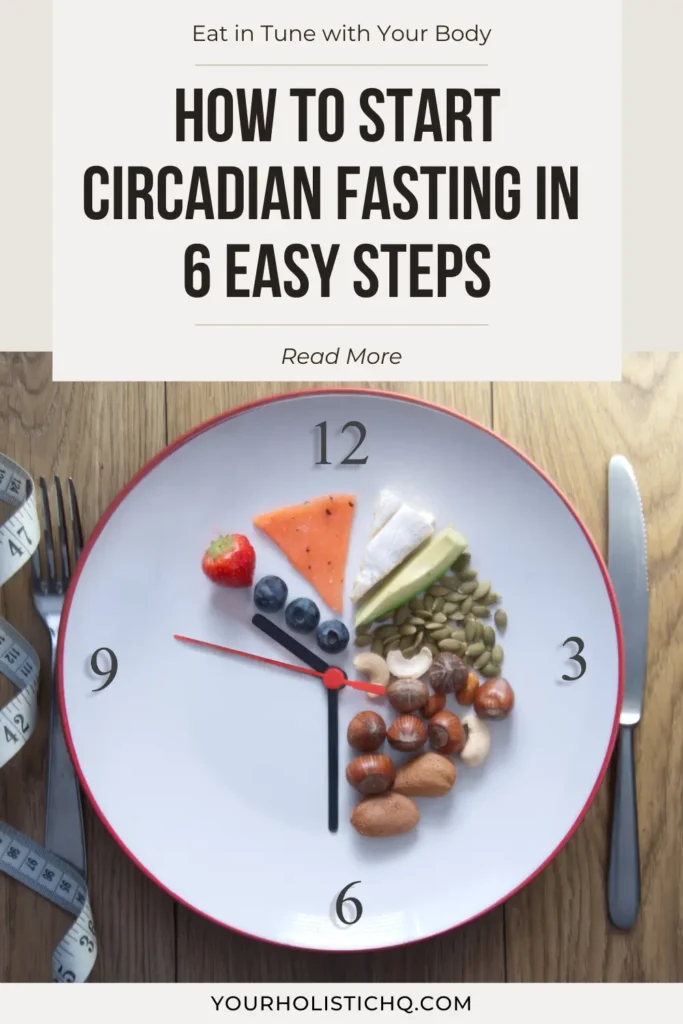
Eat in Tune with Your Body: 6 Easy Steps to Start Circadian Fasting

Tired of random eating schedules, low energy, and stubborn weight gain? It’s not just what you eat—but when. Your body runs on a biological clock. Syncing your meals with your circadian rhythm can boost metabolism, improve sleep, and curb cravings—all without counting a single calorie. Ready to let your internal clock do the heavy lifting? Here’s how to start circadian fasting, one rhythm-aligned habit at a time.
Disclosure: The information provided is for educational purposes only and not intended as medical advice. Consult a healthcare professional before making any changes to your health routine. If you make a purchase through the links provided, I may earn a small commission at no additional cost to you.

🌞 1. Eat with the Sun

Why it matters:
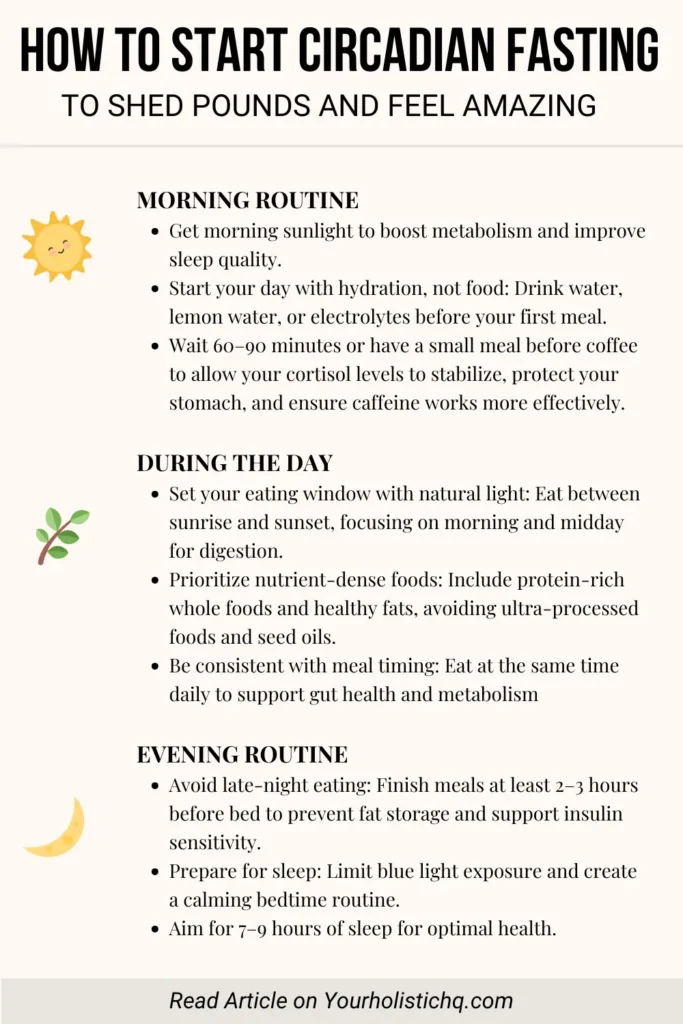
Your body is metabolically primed to digest food during daylight. After sunset? Insulin drops, melatonin rises, and your digestion hits snooze.
Science says:
🍽️ Same meal at night = 40% higher blood sugar than in the morning.
📉 Lower insulin = higher fat storage after dark.
What to do:
Set an eating window that follows the light—say 10 AM to 6 PM. Start late, finish early, and your metabolism will thank you.
💧 2. Hydrate Before You Eat

Why it matters:
Cortisol naturally spikes in the morning to mobilize energy. Eating too early messes with this rhythm—and your digestion.
Start with this:
- 💦 Warm lemon water or electrolytes
- 🚫 Skip the coffee first thing (wait 60–90 min)
- 🕒 Delay food until mid-to-late morning
Result: Fewer cravings, more stable energy, and better digestion—before your first bite.
🥑 3. Choose Foods That Work with Your Clock
Why it matters:
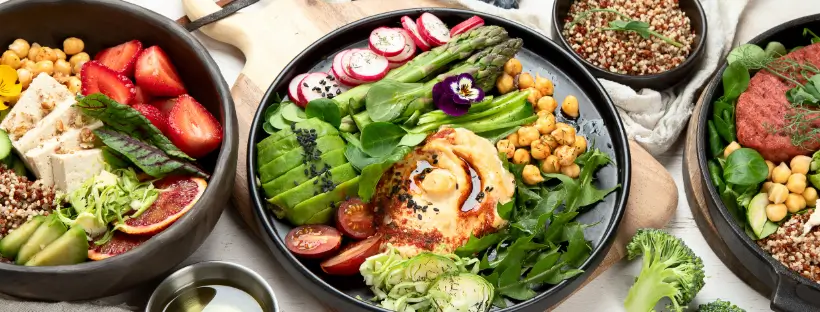
Ultra-processed foods throw off your metabolic rhythm. Whole foods help regulate your “clock genes,” keeping everything running smoothly.
Eat this:
✔️ Grass-fed proteins
✔️ Healthy fats (avocado, olive oil)
✔️ Fiber-rich veggies
🚫 Ditch seed oils, emulsifiers & sugar bombs
Pro tip: What you eat during your eating window is just as important as when. Fuel your body when it’s primed to use it.
🌙 4. Stop Eating Before Bedtime

Why it matters:
Your body needs nighttime for repair—not digestion. Late-night meals get stored as fat and disrupt deep sleep.
The facts:
🌙 Eating after dark → 40% higher glucose
😴 Melatonin suppresses insulin = fat storage mode
What to do:
Finish meals 2–3 hours before bed. No late-night snacks, no problem sleeping. Cravings? Rethink your earlier meals—they’re likely the real culprit.
🔁 5. Keep Your Timing Consistent

Why it matters:
Your gut, metabolism, and hunger hormones thrive on routine. Inconsistency confuses your internal clock—and slows everything down.
The research:
- 🔄 Irregular eating = higher fat gain
- 🧫 Gut bacteria thrive on predictable meal times
Stick to:
Same eating hours every day. First meal mid-morning, last meal before sunset. The more regular you are, the easier fasting gets.
☀️ 6. Let Sunlight & Sleep Set the Rhythm

Why it matters:
Your clock isn’t just about food—it’s also about light and rest. These cues regulate hunger, energy, and fat-burning hormones.
Action steps:
- 🌞 Get 10–30 min of sunlight early in the day
- 🌙 Cut blue light before bed
- 🛏 Aim for 7–9 hours of quality sleep
Why it works:
Morning light resets your metabolic rhythm. Better sleep balances ghrelin (hunger) and leptin (fullness), keeping cravings in check.
🧠 Final Takeaway
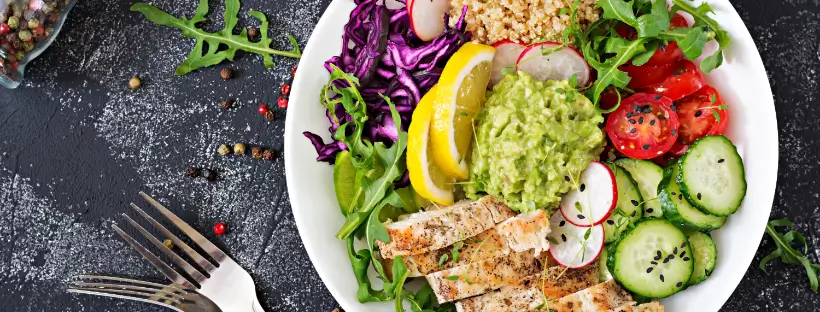
Circadian fasting is less about restriction—and more about realignment.
✅ Eat during daylight
✅ Hydrate before meals
✅ Focus on whole foods
✅ Avoid late-night eating
✅ Stick to a rhythm
✅ Sync with light & sleep
When you eat in tune with your body’s natural rhythm, everything improves—from digestion and energy to focus and fat loss.
It’s not a fad. It’s biology.
🔄 Save this guide. Share it with someone who snacks after 9 PM.
🌓 Ready to reset your rhythm? Start tomorrow—with the sun.
