10 Mindfulness Hacks to Crush Stress & Find Instant Calm

Stress can creep in fast, leaving you overwhelmed and drained. But what if you had simple, science-backed ways to shut it down before it takes over? These 10 mindfulness hacks are designed to help you reset your mind, calm your body, and take control of your stress levels—no complicated routines or hours of meditation are required. Ready to feel instant relief? Let’s dive in.
1. Box Breathing

Box breathing is a simple yet powerful technique that can stop stress in its tracks. Used by Navy SEALs to stay calm under pressure, this method works by regulating your breath in a structured pattern—inhale for four seconds, hold for four, exhale for four, and hold for four. This controlled rhythm signals your nervous system to shift out of fight-or-flight mode, instantly reducing tension and bringing clarity to your mind.
The beauty of box breathing is that it works anywhere, anytime. Whether you’re stuck in traffic, overwhelmed at work, or battling racing thoughts at night, just a few rounds can slow your heart rate and steady your nerves. The intentional pause between breaths forces your body to relax, breaking the stress cycle before it spirals out of control.
Consistency makes this technique even more effective. Practicing just five minutes a day can build long-term resilience to stress, making you feel more in control of your emotions. The next time you feel overwhelmed, don’t just react—breathe with intention, and watch how quickly your mind resets.
2. Body Scan Check-In

Stress often lingers in the body before the mind even catches up. A body scan check-in helps you recognize and release hidden tension by bringing full awareness to each part of your body. Starting at the top of your head and working down to your toes, you mentally scan for tightness, discomfort, or stress, allowing yourself to consciously relax each area as you go. This simple practice can transform stress into calm in just a few minutes.
The key is to move slowly and observe without judgment. As you scan, notice where you’re holding tension—maybe clenched jaw, stiff shoulders, or a tight stomach. Instead of forcing relaxation, simply acknowledge the sensation and breathe into it. Often, awareness alone is enough to create a release. Pairing this with deep breathing enhances the effect, helping your body shift from tension to ease.
Regular body scans train your mind to stay present and connected to physical signals before stress takes over. Practicing daily, even for just a few minutes, can improve sleep, reduce muscle tightness, and make you more in tune with your body’s needs. When stress starts to creep in, pause, scan, and reset—it’s one of the easiest ways to reclaim calm.
3. Mindful Sipping

Something as simple as sipping your drink can become a powerful mindfulness practice. Instead of gulping down coffee while scrolling your phone or rushing through a glass of water, slow down and engage your senses. Notice the warmth or coolness against your lips, the way the liquid moves in your mouth, and the subtle flavors on your tongue. By fully immersing yourself in the experience, you shift your focus away from stress and into the present moment.
Mindful sipping isn’t about the drink itself—it’s about training your brain to be fully aware of what you’re doing. This small pause in your day acts as a mental reset, giving your nervous system a break from constant stimulation. Whether it’s herbal tea, a morning coffee, or a simple glass of water, treating it as a moment of mindfulness can help ground you when life feels overwhelming.
The best part? This practice fits seamlessly into any routine. No extra time, no complicated techniques—just you, your drink, and a few intentional breaths. The next time stress creeps in, don’t just sip—pay attention, and let a single drink bring you back to calm.
4. Tactile Reset

When stress builds up, your mind races, and it can feel impossible to slow down. A tactile reset brings you back to the present by engaging your sense of touch. Running your hands under cold water, squeezing a stress ball, or feeling the texture of fabric can instantly shift your focus from anxious thoughts to physical sensations. This simple trick grounds you, helping to interrupt the stress response before it takes over.
The key is to fully immerse yourself in the experience. Notice the temperature, texture, or pressure as you engage with an object. If you’re rubbing a piece of fabric, focus on its softness or roughness. If you’re holding an ice cube, feel the cool sensation spreading across your fingers. These small actions activate your parasympathetic nervous system, signaling your body to relax.
A tactile reset works anywhere, anytime—no meditation cushion required. Whether you’re at your desk, in a crowded space, or dealing with a stressful situation, using touch as an anchor pulls you back to the present moment. Next time stress starts creeping in, don’t just think your way out of it—feel your way back to calm.
5. Single-Task Focus

Multitasking might feel productive, but it often leads to mental overload and increased stress. Single-task focus, on the other hand, allows your brain to fully engage in one activity at a time, reducing overwhelm and improving efficiency. Whether you’re answering emails, eating a meal, or folding laundry, giving your full attention to the task at hand can create a sense of calm and control.
The secret is to slow down and eliminate distractions. If you’re writing, close unnecessary tabs. If you’re eating, put away your phone. By immersing yourself in one task, you not only complete it more effectively but also train your brain to stay present. This practice rewires your mind to resist the constant urge to switch tasks, which can lower cortisol levels and boost mental clarity.
Even small changes make a difference. Try setting a timer for 10 or 20 minutes to work on one thing without interruption. The more you practice single-tasking, the easier it becomes to stay focused, minimize stress, and feel more in control of your day.
6. Two-Minute Meditation

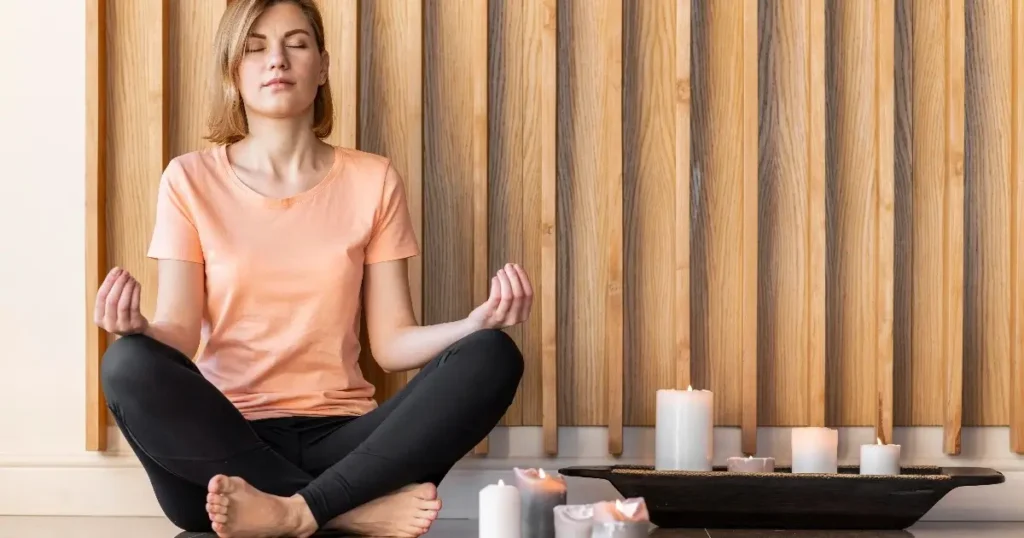
Meditation doesn’t have to be long or complicated to be effective. A simple two-minute practice can reset your mind, lower stress, and bring instant clarity. All it takes is sitting comfortably, closing your eyes, and focusing on your breath. As you inhale and exhale, let go of distractions and tune in to the present moment. Even in such a short time, your nervous system begins to shift from stress to calm.
The key is to keep it simple. Thoughts will come and go—that’s normal. Instead of fighting them, gently return your attention to your breath. Feel the air entering your lungs, the rise and fall of your chest, and the slight pause between each inhale and exhale. This brief pause from the chaos of the day is enough to create space in your mind and soften tension in your body.
Two minutes may not seem like much, but practiced daily, it can make a real difference in how you handle stress. Over time, this quick reset strengthens your ability to stay present, focused, and centered. The next time your mind feels scattered, take two minutes to breathe, reset, and regain control.
7. Accept Your Thoughts

Stress often intensifies when we fight our own thoughts. Instead of trying to suppress worries or force yourself to think positively, mindfulness teaches a different approach—acceptance. Acknowledging your thoughts without judgment allows them to pass naturally, rather than trapping you in a cycle of resistance and frustration. This shift in perspective can instantly reduce mental strain and bring a sense of relief.
The key is to observe your thoughts as if they were passing clouds. When a stressful thought arises, simply notice it: There’s anxiety. There’s frustration. Instead of engaging with it or trying to push it away, let it exist without attaching meaning or emotion. Pairing this with deep breathing helps you stay present and prevents your thoughts from spiraling into stress.
Over time, this practice strengthens emotional resilience. The more you accept thoughts without letting them control you, the more balanced and calm you’ll feel. Stress doesn’t come from thoughts themselves—it comes from how we react to them. By embracing mindfulness and allowing thoughts to flow, you free yourself from unnecessary mental tension.
8. Walking Meditation

Walking meditation transforms an everyday activity into a stress-relieving mindfulness practice. Instead of rushing from place to place on autopilot, slow down and bring full awareness to each step. Feel the ground beneath your feet, notice the rhythm of your breath, and observe the movement of your body. This simple shift in focus helps quiet racing thoughts and anchors you in the present moment.
The key is to walk with intention. Whether you’re strolling through a park or pacing in your home, let go of distractions and tune in to your surroundings. Notice the sensation of your heel touching the ground, the way your arms swing naturally, or the subtle breeze against your skin. Engaging your senses in this way calms the nervous system and turns an ordinary walk into a moving meditation.
Walking meditation is an easy, accessible way to reduce stress without setting aside extra time. Even a few mindful steps can help reset your mind, improve focus, and bring a sense of calm. The next time stress builds up, don’t just walk—walk with awareness and let each step bring you back to balance.
9. Mini Digital Detox

Screens keep your mind overstimulated, making it harder to unwind. A mini digital detox—just 10 minutes without your phone, computer, or TV—can instantly lower stress and help you reset. Stepping away from notifications, endless scrolling, and background noise gives your brain a break, reducing mental fatigue and improving focus.
The key is to be intentional. Put your phone on airplane mode, step outside, stretch, or simply sit in silence. Notice how your body feels without the constant influx of information. This short pause allows your nervous system to recalibrate, bringing a sense of calm and clarity. Even a few minutes without screens can make a noticeable difference.
Making this a daily habit strengthens your ability to disconnect when needed. Over time, you’ll notice less reliance on distractions and a greater sense of presence in your life. The next time stress builds up, try unplugging—sometimes, the best way to reset your mind is to step away from the noise.
10. Gratitude Shift

Stress narrows your focus, making problems feel bigger than they are. A gratitude shift flips this mindset by redirecting your attention to what’s going right. Instead of getting stuck in frustration or worry, pausing to recognize even small positives—like a warm cup of coffee, a kind word, or a moment of peace—can instantly reframe your perspective and reduce stress.
The key is to make gratitude a habit. When tension rises, take a deep breath and name three things you’re grateful for, no matter how simple. Writing them down can make the practice even more powerful, training your brain to seek out positives naturally. This small mental shift triggers the release of serotonin and dopamine, chemicals that promote relaxation and resilience.
Gratitude doesn’t erase challenges, but it changes how you handle them. Over time, regularly shifting your focus from stress to appreciation can help you stay grounded, calm, and more in control. The next time stress creeps in, take a moment to acknowledge what’s good—you might be surprised at how quickly your mindset shifts.
Final Thoughts

Stress may be unavoidable, but how you handle it makes all the difference. These 10 mindfulness hacks offer quick, effective ways to calm your mind, reset your body, and regain control—no complicated routines required. Whether it’s a few deep breaths, a mindful walk, or a short digital detox, each practice helps break the stress cycle before it takes over.
The key is consistency. Small, mindful shifts throughout your day train your brain to stay present and resilient, making it easier to manage stress before it builds up. Over time, these simple techniques become second nature, helping you navigate challenges with greater ease and clarity.
By integrating mindfulness into your routine, you create a powerful buffer against daily pressures. Stress may come and go, but your ability to stay grounded is within your control. Keep these hacks in your toolkit, and whenever life feels overwhelming, reach for the one that brings you back to balance.