
7 Indoor Vegetable Garden Tips for Fresh Greens All Year Round
Disclosure: If you make a purchase through the links provided, I may earn a small commission at no additional cost to you.
Growing fresh vegetables indoors isn’t just possible—it’s surprisingly simple with the right approach. Whether you have a sunny windowsill or rely on grow lights, a well-planned indoor vegetable garden can provide homegrown greens year-round. With the right containers, soil, and care, you can cultivate everything from crisp lettuce to flavorful herbs without stepping outside. These seven tips will help you create a thriving indoor garden, ensuring steady harvests no matter the season.
- 1. Select Vegetables Suited for Indoor Growth
- 2. Choose the Right Containers for Healthy Roots
- 3. Maximize Light for Steady Growth
- 4. Maintain the Right Temperature and Humidity
- 5. Use Nutrient-Rich Soil and Fertilize Strategically
- 6. Water with Precision to Prevent Root Rot
- 7. Harvest Regularly to Encourage New Growth
- Final Thoughts
1. Select Vegetables Suited for Indoor Growth
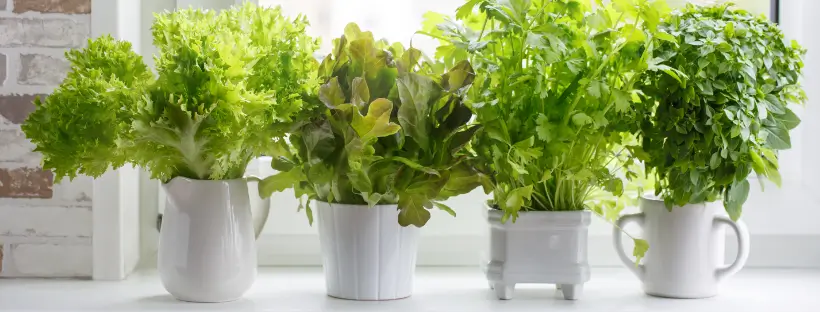
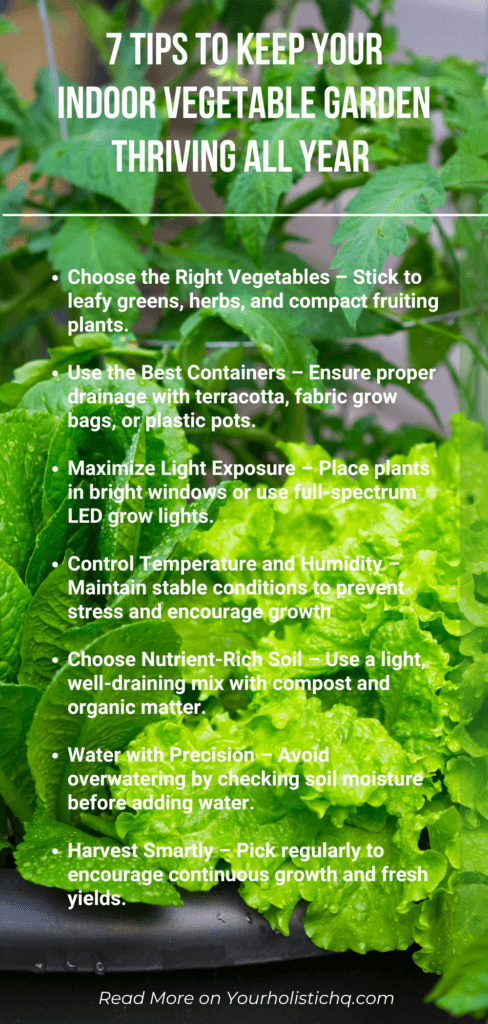
Not all vegetables are suited for indoor conditions, so choosing the right ones makes all the difference. Leafy greens like lettuce, spinach, and arugula are among the easiest to grow, requiring minimal space and thriving in shallow containers. Herbs such as basil, cilantro, and parsley also adapt well, offering fresh flavors year-round with little effort. Compact fruiting plants like cherry tomatoes and peppers can flourish indoors if provided with adequate light and proper care.
Space limitations and controlled environments mean certain crops—like sprawling squash or deep-rooted carrots—aren’t ideal for indoor gardens. Instead, focus on vegetables that have short growth cycles and don’t require deep soil. Microgreens are another excellent choice, offering nutrient-dense harvests within weeks. The key is to mimic outdoor conditions as closely as possible while selecting plants that naturally tolerate indoor settings.
Temperature, humidity, and light exposure play a role in determining what grows best inside. Greens and herbs tolerate lower light, making them more forgiving for apartment gardeners. Fruiting vegetables need consistent warmth and ample illumination to thrive. By starting with resilient plants that align with indoor growing conditions, you set the foundation for a productive indoor vegetable garden.
2. Choose the Right Containers for Healthy Roots
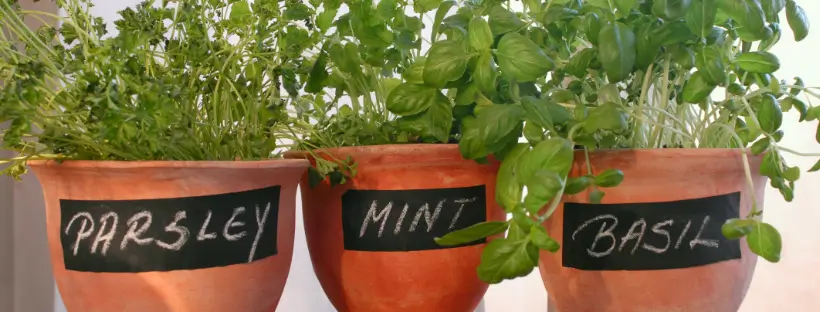
The right container makes all the difference in how well your indoor vegetables grow. While it may be tempting to plant in any available pot, choosing the right size and material ensures strong root development and prevents common issues like waterlogging. Shallow-rooted greens such as lettuce and spinach do well in containers that are at least 4–6 inches deep, while deeper-rooted vegetables like peppers and cherry tomatoes need pots that are 8–12 inches deep to support healthy growth.
Drainage is another critical factor. Without proper drainage holes, excess water accumulates, leading to root rot and poor plant health. Terracotta, ceramic, or fabric grow bags are excellent choices, as they allow air circulation around the roots, promoting stronger growth. Self-watering containers are also useful for keeping moisture levels stable, especially in drier indoor environments. If repurposing household items, always ensure they have adequate drainage to prevent water from sitting at the bottom.
Container material impacts soil moisture and temperature. Plastic pots retain moisture well but may overheat near sunny windows, while terracotta dries out faster but allows better air circulation. Fabric pots are ideal for preventing overwatering, as they allow excess moisture to escape naturally. Matching the right container to your vegetables’ needs prevents stunted growth and ensures your indoor garden flourishes.
3. Maximize Light for Steady Growth
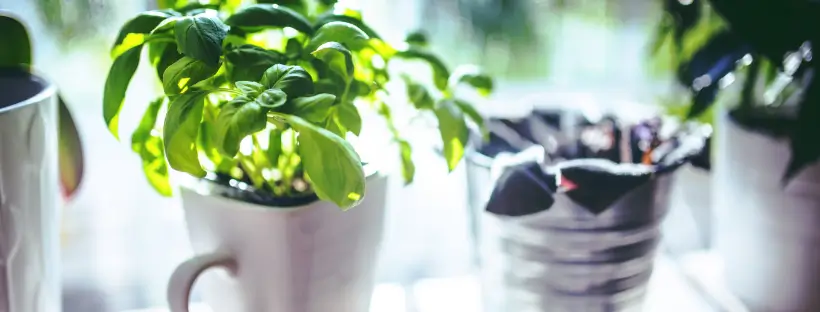
Light is the most critical factor in indoor vegetable gardening. Without enough light, plants become weak, leggy, and struggle to produce. Leafy greens like lettuce and spinach can tolerate lower light levels, but fruiting vegetables such as cherry tomatoes and peppers need at least 12–16 hours of bright light daily. A south-facing window is ideal, but when natural light is limited, full-spectrum LED grow lights provide a reliable alternative.
Not all grow lights are equal, so choosing the right type ensures strong growth. Full-spectrum LED lights mimic natural sunlight and support all stages of plant development, while fluorescent bulbs can work for leafy greens but may not be strong enough for fruiting vegetables. Position lights 4–6 inches above seedlings and adjust the height as plants grow to prevent stretching and weak stems. For best results, use an automatic timer to maintain consistent light exposure.
Light intensity matters just as much as duration. Placing reflective surfaces like white walls or aluminum foil around plants can help distribute light more evenly. If plants start leaning toward the light source, rotate them every few days to encourage balanced growth. By ensuring your vegetables receive the right amount of light, you create the ideal conditions for healthy, year-round harvests.
4. Maintain the Right Temperature and Humidity
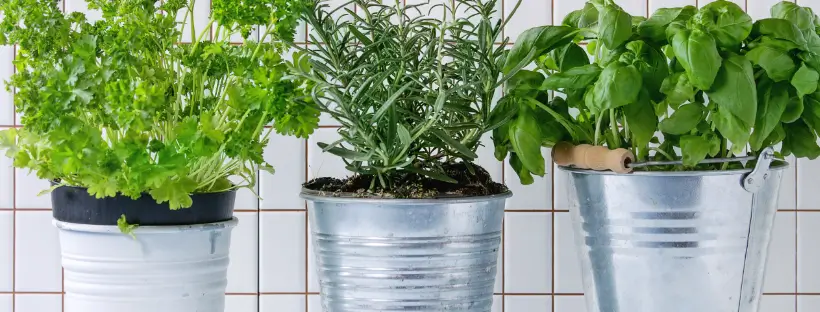
Temperature and humidity levels directly impact the success of an indoor vegetable garden. Most vegetables thrive in temperatures between 65–75°F (18–24°C), which aligns with typical indoor conditions. However, sudden temperature fluctuations—caused by heating vents, air conditioning, or drafty windows—can stress plants, leading to stunted growth or dropped leaves. Keeping plants away from direct heat sources and maintaining a stable environment helps ensure steady development.
Humidity plays an equally important role, especially in winter when indoor air tends to be dry. Leafy greens and herbs need at least 40–60% humidity to prevent wilting and browning at the edges. If your home has dry air, placing a humidifier near plants, grouping them together, or setting pots on pebble trays filled with water can help maintain the right moisture levels. In contrast, too much humidity can encourage mold growth, so good air circulation is essential.
Monitoring conditions regularly helps prevent issues before they affect plant health. A digital thermometer and hygrometer can track temperature and humidity changes, allowing you to adjust as needed. Consistency is key—by keeping the indoor climate within the ideal range, vegetables will grow stronger, resist stress, and continue producing fresh greens throughout the year.
5. Use Nutrient-Rich Soil and Fertilize Strategically
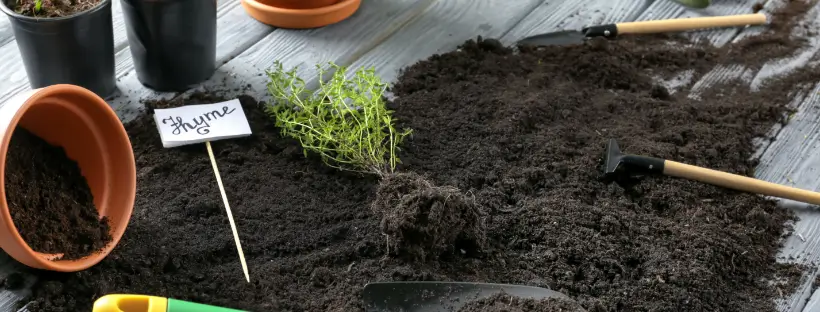
The foundation of any successful indoor vegetable garden starts with the right soil. Unlike outdoor gardening, where plants can draw nutrients from the earth, indoor vegetables rely entirely on the quality of the potting mix. A light, well-draining mix with organic matter ensures proper aeration and moisture retention. Look for blends containing coconut coir, perlite, and compost to create an ideal growing environment. Avoid using regular garden soil, as it compacts easily and lacks the drainage needed for potted plants.
Even the best soil loses nutrients over time, making fertilization essential for continuous growth. Organic liquid fertilizers such as fish emulsion, seaweed extract, or compost tea provide essential nutrients without the risk of chemical buildup. Leafy greens need nitrogen-rich fertilizers to promote lush growth, while fruiting plants like tomatoes and peppers benefit from phosphorus and potassium for flowering and fruit development. A balanced approach—feeding every 2–4 weeks—prevents overfertilization, which can lead to excessive foliage with weak yields.
Soil health also depends on renewal. Over time, salt buildup from fertilizers and tap water can impact plant health, causing leaves to yellow or curl. Flushing the soil with clean water every few months helps remove excess minerals. Additionally, periodically refreshing the top layer with fresh compost or organic matter replenishes nutrients naturally. With the right soil and feeding strategy, indoor vegetables remain vibrant, productive, and nutrient-dense.
6. Water with Precision to Prevent Root Rot
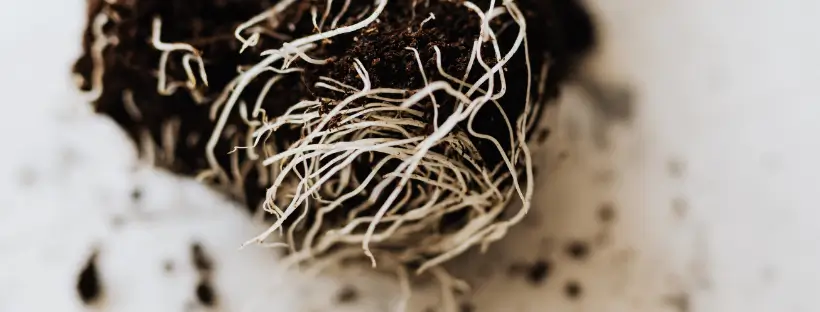
Watering is one of the most common challenges in indoor vegetable gardening. Unlike outdoor plants that benefit from natural drainage and evaporation, potted vegetables are more susceptible to overwatering, which leads to root rot. The key is to water only when needed, not on a fixed schedule. A simple way to check is by inserting a finger into the soil—if the top inch feels dry, it’s time to water. If it’s still moist, waiting a day or two prevents excess moisture buildup.
The way you water also matters. Pouring water directly onto the soil instead of over the leaves helps prevent mold growth and fungal diseases. For deep-rooted vegetables, water slowly and evenly until excess drips from the drainage holes. Shallow-rooted greens like lettuce and herbs need less water but require consistent moisture to prevent wilting. Using room-temperature water avoids shocking the roots, which can happen if the water is too cold.
Proper drainage ensures excess moisture doesn’t sit at the bottom of the pot. Containers with drainage holes, well-aerated soil, and a layer of pebbles at the base help prevent water from stagnating. Self-watering pots can also be a useful solution for maintaining steady moisture without the risk of overwatering. By fine-tuning watering habits, vegetables grow healthier, resist disease, and continue producing fresh harvests throughout the year.
7. Harvest Regularly to Encourage New Growth
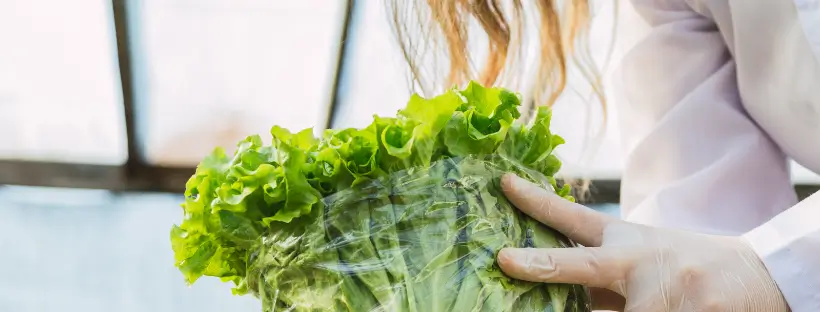
Regular harvesting keeps indoor vegetables productive and prevents plants from becoming overgrown or stressed. Leafy greens like lettuce, spinach, and arugula thrive when harvested frequently, as removing outer leaves encourages the plant to keep producing new growth. For best results, use the “cut-and-come-again” method—snipping leaves from the outer edges while allowing the center to continue growing. This approach extends the plant’s lifespan and ensures a steady supply of fresh greens.
Herbs like basil, mint, and cilantro also benefit from frequent trimming. Pinching back the top sets of leaves prevents legginess and promotes bushier growth. Leaving herbs unharvested for too long can lead to early flowering (bolting), which affects flavor and reduces the plant’s productivity. By consistently pruning and using fresh herbs, you keep them healthy and flavorful for months.
For fruiting vegetables such as cherry tomatoes and peppers, picking ripe produce as soon as it’s ready signals the plant to keep producing. Delaying harvest can slow down new fruit development, as the plant directs energy toward ripening existing crops. With regular harvesting, your indoor vegetable garden stays vibrant, productive, and ready to provide fresh food all year round.
Final Thoughts
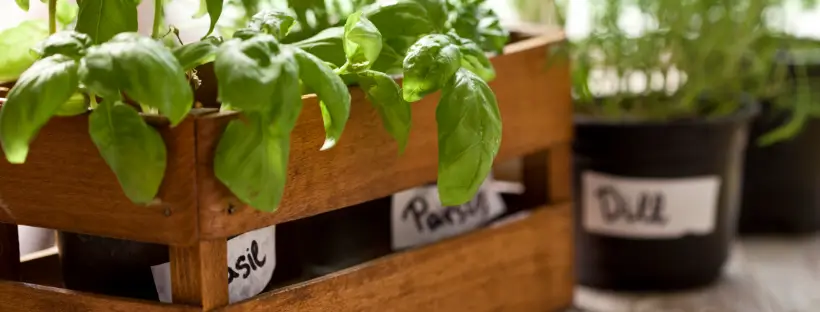
A thriving indoor vegetable garden is more than just a way to grow fresh produce—it’s a step toward greater self-sufficiency, sustainability, and a deeper connection with the food you eat. It’s also a simple yet powerful way to start a holistic lifestyle, bringing natural elements into your home while cultivating fresh, nutrient-rich food. By selecting the right vegetables, optimizing light, and maintaining proper care, you create an environment where plants can flourish year-round. Thoughtful choices in soil, watering, and harvesting ensure a continuous supply of homegrown greens, even in small spaces.
Consistency is key. Vegetables respond to stable conditions, so small adjustments—like improving drainage, using full-spectrum lighting, or trimming herbs frequently—make a significant difference in their growth. Whether you’re tending to leafy greens on a windowsill or nurturing fruiting plants under grow lights, refining your approach over time leads to a more productive and rewarding gardening experience.
With the right knowledge and a bit of patience, an indoor vegetable garden can provide fresh, homegrown food regardless of the season. As you refine your techniques, your plants will reward you with vibrant growth and ongoing harvests, proving that even the smallest space can become a flourishing oasis and a cornerstone of sustainable and holistic living.
