
Build Your Natural First Aid Kit with These Everyday Fixes

Most first aid kits are built to stop the bleeding—not speed up the healing.
They’re packed with synthetics, alcohols, and fillers that numb or sterilize but rarely support true recovery. Meanwhile, remedies like honey, aloe, arnica, and clay—used for centuries—still outperform drugstore quick-fixes in soothing burns, bites, and breakouts.
This isn’t alternative. It’s common sense we’ve forgotten.
Let’s rebuild your first aid kit with 10 natural tools your body actually knows what to do with.
Disclosure: The information provided is for educational purposes only and not intended as medical advice. Consult a healthcare professional before making any changes to your health routine.
🔑 Quick Summary
— Skip the synthetics. These 10 natural remedies handle burns, bites, bruises, and rashes.
— Aloe vera, raw honey, calendula, and witch hazel do more than soothe—they heal.
— Arnica and peppermint oil ease pain, swelling, and tension fast.
— Coconut oil, bentonite clay, and magnesium support skin, sleep, and recovery.
— These aren’t trends—they’re time-tested tools modern medicine forgot.
— For everyday relief, your kitchen and garden might beat your medicine cabinet.
- 🔑 Quick Summary
- 1. Burn Relief with Aloe Vera Gel
- 2. Itch and Rash Relief with Calendula Cream
- 3. Wound Cleaning with Raw Honey
- 4. Sting and Bite Soothing with Baking Soda Paste
- 5. Swelling and Bleeding Support with Witch Hazel
- 6. Splinter and Debris Removal with Bentonite Clay
- 7. Dry Skin and Lip Repair with Coconut Oil & Beeswax Balm
- 8. Skin Infection Shield with Propolis or Colloidal Silver Spray
- 9. Bruise and Impact Recovery with Arnica Gel
- 10. Headache Relief with Peppermint Oil Compress
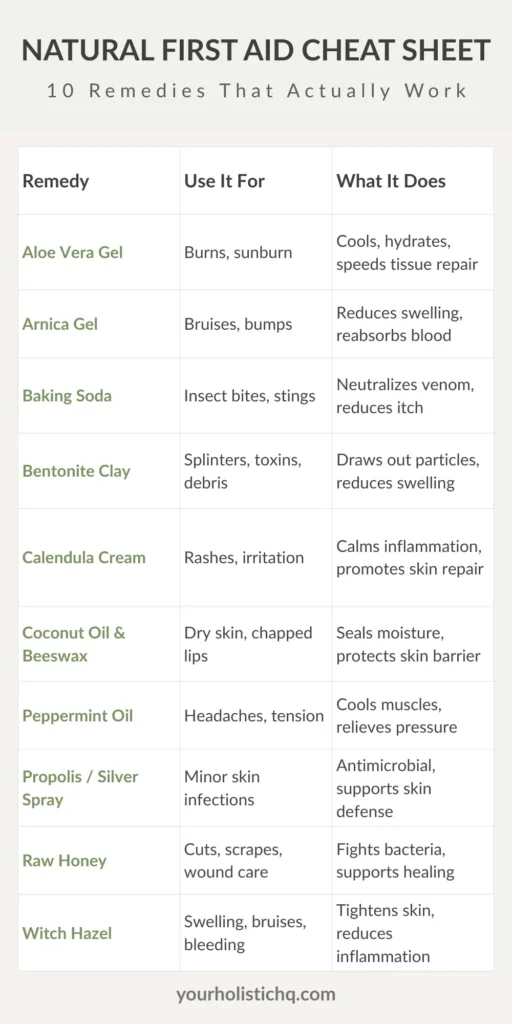
- Natural First Aid Cheat Sheet
- Final Thoughts
- ❓ FAQs
1. Burn Relief with Aloe Vera Gel
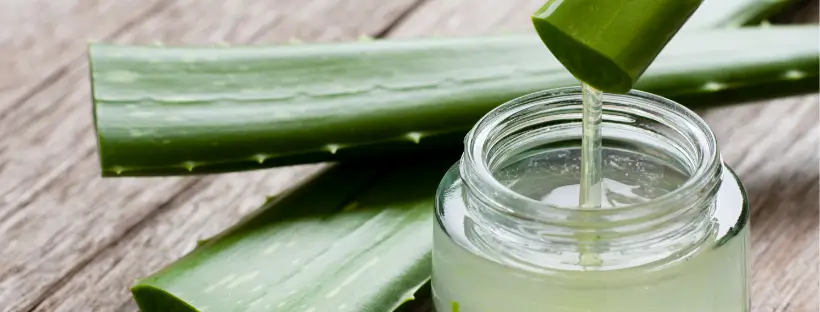
Great for: kitchen burns, sunburn, hot tool mishaps, and steam scalds
When you burn your skin—whether from a hot pan, sun exposure, or steam—the healing process isn’t just about cooling the surface. It’s about calming inflammation, speeding up tissue repair, and preventing infection. That’s where pure aloe vera gel outperforms most over-the-counter creams.
What Makes It Effective:
Aloe vera contains polysaccharides that promote skin regeneration and glycoproteins that reduce pain and inflammation. Studies have shown that topical aloe can accelerate wound healing, especially for first- and second-degree burns, by stimulating collagen production and improving blood flow to the area.
What Big Brands Won’t Tell You:
Most “aloe” creams on shelves are diluted with alcohol, artificial fragrance, and petroleum-based fillers that actually delay healing. But fresh, cold-pressed aloe gel—or 99% pure formulations—cool the burn while letting your skin breathe and repair naturally.
How to Use It:
- Apply chilled, pure aloe vera gel directly to the burn as soon as possible.
- Reapply 2–3 times daily until skin calms.
- For added support, pair with a few drops of lavender essential oil for its antimicrobial benefits.
Skip: anything with dyes, alcohol, or menthol—these may feel soothing but often damage already-sensitive skin.
2. Itch and Rash Relief with Calendula Cream

Great for: bug bites, eczema, heat rash, diaper rash, and contact dermatitis
From bug bites to mystery rashes, itchy, inflamed skin is one of the most common (and frustrating) daily disruptions—and often one of the most overtreated. Instead of steroid creams or antihistamines, calendula offers a gentler, botanical way to calm the skin and speed up healing.
What Makes It Effective
Calendula, derived from marigold petals, is packed with triterpenoids and flavonoids—plant compounds shown to reduce inflammation, promote tissue repair, and fight microbes. Studies have found that calendula extract helps skin regenerate faster after irritation, making it ideal for minor burns, rashes, and eczema flare-ups.
How to Use It
- Apply a thin layer of calendula cream or ointment directly to the affected area.
- Reapply as needed, especially after washing or sweating.
- Choose products with no petroleum or synthetic fragrance to avoid further irritation.
Tip: For ultra-sensitive skin, try a calendula infusion in olive oil as a DIY treatment—it’s slower to absorb, but even gentler.
3. Wound Cleaning with Raw Honey
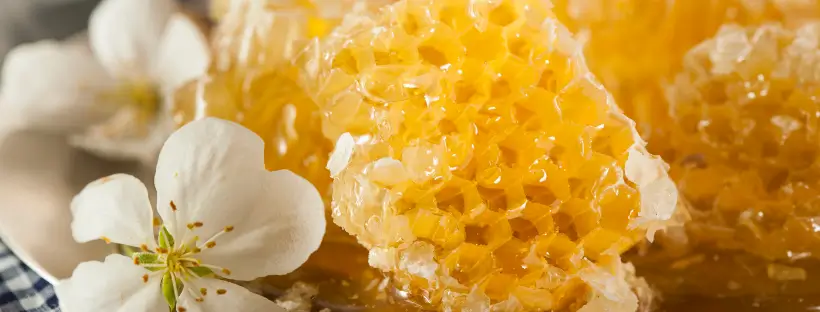
Great for: scrapes, shallow cuts, cracked skin, and slow-healing wounds
Most people reach for a neon-colored antiseptic when they cut themselves. But what if the best wound treatment has been sitting in your kitchen cabinet all along?
What Makes It Effective
Raw honey is naturally antibacterial, antiviral, and antifungal—thanks to its enzymes, hydrogen peroxide content, and low moisture. Studies have shown it can reduce infection risk, speed up healing, and even help regenerate tissue in minor wounds. Unlike synthetic ointments, honey supports healing without disrupting your skin’s microbiome.
How to Use It
- Apply a small amount of raw, unfiltered honey (ideally Manuka) to the clean wound
- Cover with gauze or a breathable bandage
- Reapply once or twice daily, cleaning gently between applications
Skip: Avoid supermarket honey blends—they’re often ultra-filtered and cut with high fructose corn syrup. Look for “raw” or “unpasteurized,” or buy from local beekeepers for real healing power.
4. Sting and Bite Soothing with Baking Soda Paste
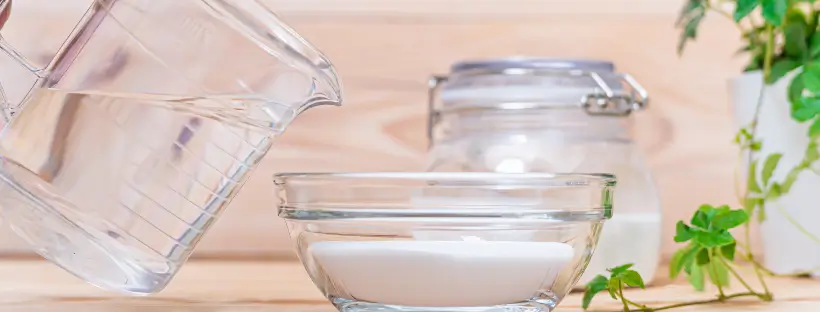
Great for: mosquito bites, bee stings, poison ivy, and bug welts
Whether it’s a mosquito bite or a bee sting, the itch, burn, or swelling can feel instantly overwhelming. Fortunately, one of the most effective remedies is probably already in your pantry.
What Makes It Effective
Baking soda (sodium bicarbonate) is a natural alkaline compound that neutralizes the acidic compounds found in insect venom and skin irritants. It also helps draw fluids out of the skin, reducing swelling, heat, and itching. Generations have used it for everything from wasp stings to poison ivy flare-ups—with fast results.
How to Use It
- Mix 1 part baking soda with 1–2 parts water to form a thick paste
- Apply directly to the affected area and leave on for 10–15 minutes
- Rinse gently and reapply as needed for relief
Tip: For multiple bites or widespread irritation, try adding baking soda to a cool bath for full-body relief.
5. Swelling and Bleeding Support with Witch Hazel

Great for: minor nosebleeds, bruises, puffy skin, and post-shave irritation
From freshly banged shins to stubborn nosebleeds, swelling and surface bleeding are common issues—and often overtreated with alcohol-based astringents that sting more than they soothe. Witch hazel offers a gentler, effective alternative.
What Makes It Effective
Witch hazel is rich in tannins—plant compounds with natural astringent and anti-inflammatory effects. It helps tighten skin tissue, reduce swelling, and constrict blood vessels to slow minor bleeding. It’s especially useful for bruises, razor burn, and bug bites, and has long been a staple in traditional American herbal medicine.
How to Use It
- Soak a cotton pad or compress with alcohol-free witch hazel
- Apply gently to bruises, bug bites, or minor bleeds
- Hold in place for several minutes for best effect
Tip: Keep your witch hazel in the fridge—when chilled, it doubles as a soothing cold compress for puffy eyes or swollen skin.
6. Splinter and Debris Removal with Bentonite Clay
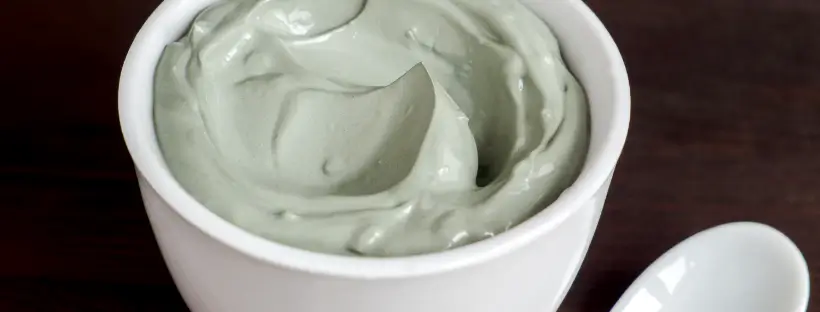
Great for: glass shards, deep splinters, acne extractions, and bug bites
Tweezers don’t always cut it—especially with glass shards, deep splinters, or embedded grit. When skin gets stubborn, bentonite clay steps in as a natural drawing agent.
What Makes It Effective
Bentonite clay has a strong negative electrical charge that binds to positively charged toxins, bacteria, and foreign particles. When applied topically, it helps draw out impurities, reduce inflammation, and prevent infection. It’s a centuries-old remedy still used today for deep splinters, under-the-skin acne, and even venom extractions.
How to Use It
- Mix bentonite clay powder with just enough water to make a thick paste
- Apply directly over the splinter or affected area
- Cover with a bandage and leave on for 1–3 hours or overnight
- Rinse gently and repeat if needed
Tip: For added drawing power, mix the clay with a drop of castor oil or raw honey.
7. Dry Skin and Lip Repair with Coconut Oil & Beeswax Balm
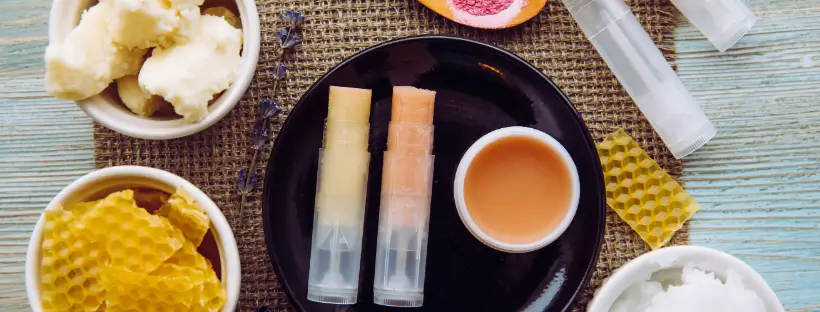
Great for: chapped lips, cracked heels, windburn, and dry cuticles
Chapped lips, cracked heels, and windburned skin don’t always need medicated balms—they often just need protection and nourishment. Coconut oil and beeswax combine to create a simple, powerful shield for compromised skin.
What Makes It Effective
Coconut oil is naturally antimicrobial and deeply moisturizing, while beeswax creates a breathable barrier that locks in hydration and protects against environmental damage. Together, they soothe irritation, reduce redness, and support skin repair—without synthetic ingredients or petroleum-based fillers.
How to Use It
- Mix equal parts coconut oil and beeswax (melted gently in a double boiler)
- Pour into a small tin and allow to solidify
- Apply to lips, cuticles, or any dry, cracked skin as needed
Tip: Add a few drops of calendula or lavender essential oil to enhance healing and scent—especially soothing for kids.
8. Skin Infection Shield with Propolis or Colloidal Silver Spray
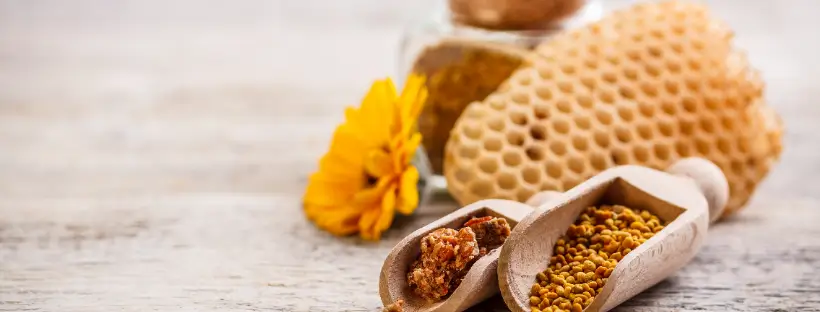
Great for: mild infected cuts, nail bed flare-ups, ingrown hairs
When redness, tenderness, or weeping skin shows signs of minor infection, antibiotics aren’t always the first or only answer. Propolis and colloidal silver offer a natural defense—one your body can work with, not against.
What Makes It Effective
Propolis, a resinous substance made by bees, is rich in flavonoids and polyphenols that fight bacteria, fungi, and inflammation—especially on wounds or irritated skin. Colloidal silver, known for its broad-spectrum antimicrobial activity, disrupts bacterial cell walls and has been used in topical wound care for decades.
Both help create a clean, protective barrier while allowing skin to heal—without the microbiome disruption caused by over-the-counter antibiotic creams.
How to Use It
- Propolis: Dab a few drops of tincture onto a clean wound or inflamed area 1–2 times daily. Choose alcohol-free versions for sensitive skin.
- Colloidal Silver: Spray lightly onto the affected area after cleaning, or soak a cotton pad for more targeted use.
- Tip: Don’t use both at once—alternate based on skin sensitivity and response. Test on a small area if you’re prone to irritation.
Skip: Creams with synthetic antibiotics unless truly needed. Overuse can lead to resistance and disrupt healthy skin flora—slowing healing instead of speeding it.
9. Bruise and Impact Recovery with Arnica Gel

Great for: bumps, bruises, sprains, sore muscles, and post-exercise swelling
Whether it’s a stubbed toe, a bumped shin, or a post-workout bruise, swelling and discoloration are the body’s normal response to minor trauma. Arnica helps speed up that recovery—naturally.
What Makes It Effective
Arnica montana, a flowering herb native to Europe, contains compounds like helenalin that reduce inflammation, improve circulation, and help reabsorb pooled blood under the skin. Studies have shown that topical arnica can reduce the size, pain, and visibility of bruises—making it a go-to in natural sports medicine and injury care.
How to Use It
- Apply a thin layer of arnica gel or cream to the bruised or swollen area
- Use 2–3 times daily, avoiding broken skin
- Look for formulas free from synthetic fragrances or parabens
Tip: Arnica is also available in homeopathic pellet form for internal use—check with a practitioner before combining both.
10. Headache Relief with Peppermint Oil Compress
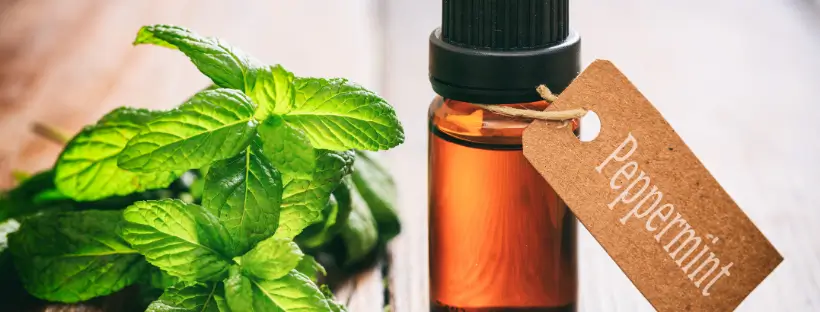
Great for: tension headaches, screen strain, sinus pressure, and stress migraines
Tension headaches, screen fatigue, or sinus pressure can strike without warning—and fast relief doesn’t have to come from a pill. Peppermint oil offers a clean, cooling remedy that gets to the root of the pain.
What Makes It Effective
Peppermint oil contains menthol, a natural compound that relaxes muscle tension, improves blood flow, and triggers cold-sensitive receptors on the skin. Clinical studies show it can reduce the intensity and duration of headaches when applied topically—especially for tension and sinus-related pain.
How to Use It
- Mix 1–2 drops of peppermint essential oil with a teaspoon of carrier oil (like coconut or jojoba)
- Massage gently into temples, forehead, or neck
- Apply a cool damp cloth over the area to enhance the effect
Tip: Inhale the scent directly or use in a diffuser alongside application for an added calming effect—especially helpful during stress-related headaches.
Natural First Aid Cheat Sheet
| Remedy | Best For | Form to Use | What It Does |
|---|---|---|---|
| Aloe Vera Gel | Burns, sunburn | 99% pure gel or fresh leaf gel | Soothes, hydrates, and speeds up skin regeneration |
| Arnica Gel | Bruises, muscle impact | Topical gel or cream | Reduces swelling, eases pain, and improves circulation |
| Baking Soda | Insect bites, stings, rash baths | Thick paste or bath soak | Neutralizes venom, reduces itch, and draws fluid from skin |
| Bentonite Clay | Splinters, debris, toxins | Clay paste or poultice | Pulls out splinters and impurities with negative ionic charge |
| Calendula Cream | Rashes, eczema, skin inflammation | Cream or infused oil | Reduces irritation, supports skin repair, and calms flare-ups |
| Coconut Oil & Beeswax | Dry skin, chapped lips, cuticles | DIY balm or salve | Moisturizes, protects, and seals the skin without clogging |
| Peppermint Oil | Headaches, tension | Diluted essential oil | Relaxes muscles, improves blood flow, and cools the skin |
| Propolis / Colloidal Silver | Minor skin infections, ingrown hairs | Spray or tincture | Kills bacteria and fungi, protects without synthetic antibiotics |
| Raw Honey | Wounds, cuts, abrasions | Raw or Manuka honey | Disinfects, speeds healing, and supports skin regeneration |
| Witch Hazel | Swelling, bruising, minor bleeding | Alcohol-free extract | Tightens skin, reduces inflammation, and soothes irritation |
Final Thoughts

Most first aid kits are built for emergencies—but what about the daily skin flares, stings, scrapes, and stressors that happen far more often?
The truth is, your body often doesn’t need more chemicals. It needs support. And nature still offers that in ways modern medicine has mostly forgotten. The natural remedies in this guide aren’t fringe or experimental—they’re evidence-backed, time-tested, and deeply aligned with how the human body heals.
You don’t need to replace everything overnight. Start with one or two remedies—raw honey, aloe, or arnica—and experience the difference yourself. These tools are affordable, accessible, and easy to use. More importantly, they shift the way you relate to healing—from something outsourced, to something instinctive.
The best part? You’re not just building a kit. You’re building trust in your body again.
