
10 Most Toxic Ingredients Still Hiding in Cosmetics in 2026
Linked to Hormone Disruption, Infertility, and Cancer—Yet Commonly Used
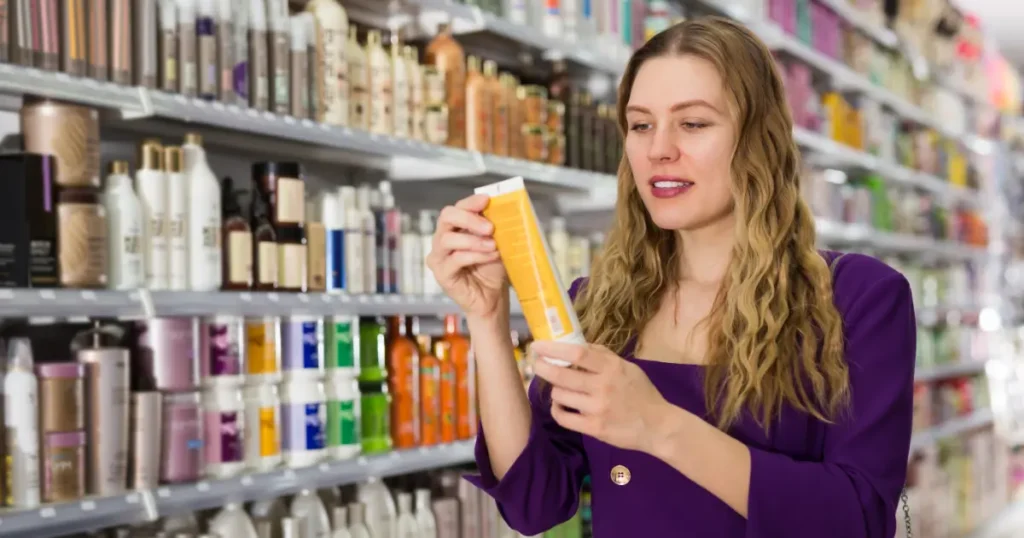
Everyday beauty routines seem harmless—lotion, deodorant, sunscreen, a little makeup.
But layer by layer, those products can deliver a hidden chemical cocktail.
Decades of greenwashing have taught us to trust words like “gentle” or “natural,” while the real risks stay buried in fine print.
What follows are ten of the most toxic ingredients still hiding in cosmetics, where you’re most likely to encounter them, and why regulation hasn’t kept them off the shelves.
🔑 Quick Summary
— Parabens — Synthetic preservatives that mimic estrogen and may disrupt hormones.
— Fragrance — A legal loophole that can hide over 100 undisclosed chemicals, including allergens, VOCs, and hormone disruptors.
— Phthalates — Often concealed under “fragrance,” linked to fertility problems and hormonal disruption.
— Sulfates (SLS & SLES) — Harsh foaming agents that strip natural oils and irritate skin.
— Formaldehyde releasers — Preservatives that slowly release a known carcinogen.
— Triclosan — Antibacterial agent banned in soaps but still found in toothpaste and deodorant.
— PEGs — Petroleum-based compounds that may be contaminated with carcinogenic byproducts.
— Oxybenzone — Chemical sunscreen filter linked to hormone disruption and coral bleaching.
— BHA & BHT — Synthetic antioxidants used in makeup, flagged for endocrine disruption.
— Heavy metals — Contaminants in pigments and color cosmetics, including lead and arsenic.
Disclosure: This article is intended for informational purposes only and does not substitute for professional medical, dermatological, or legal advice. Readers should consult a qualified healthcare provider before making any changes to their personal care routine.Some links in this article may be affiliate links, meaning I may earn a small commission—at no additional cost to you—if you choose to make a purchase.


1. Parabens

Parabens are synthetic preservatives used to stop bacteria and mold in lotions, deodorants, shampoos, sunscreens, and makeup. On labels, they usually end with the word “paraben,” such as methylparaben or propylparaben. They are cheap and effective, which is why the beauty industry still relies on them despite decades of safety concerns.
The problem isn’t a single dose—it’s exposure stacked across a daily routine. A person might put on a paraben-containing moisturizer, sunscreen, foundation, and deodorant before leaving the house, then use a paraben-laced night cream hours later. Parabens absorb more easily through thin or freshly shaved skin, and products left on the body for hours carry greater risk than those quickly rinsed off. Hormonal effects have been linked to fertility problems, early puberty, thyroid disruption, and breast cancer, and the risks are amplified for vulnerable groups like pregnant women, adolescents, and those in menopause.
Europe has banned or restricted certain parabens. In the United States, they remain legal. The Modernization of Cosmetics Regulation Act (MoCRA) of 2022 only requires companies to report severe injuries such as hospitalization, disfigurement, or birth defects and to keep safety records on file. It does not ban parabens, regulate cumulative exposure, or close loopholes that still allow endocrine disruptors, PFAS, microplastics, and untested nanoparticles like titanium dioxide into cosmetics.
Where exposure is highest
- Daily use of lotion or deodorant on freshly shaved skin
- Leave-on products such as sunscreen, foundation, and night creams
- Products applied to thin or sensitive skin regions (chest, underarms, eyelids)
- Routines involving pregnancy, puberty, or menopause, when hormonal systems are more vulnerable
Parabens remain in many products because they’re inexpensive and effective preservatives—but long-term safety has not been prioritized in most regulatory systems.
2. Fragrance

Fragrance is one of the most misleading words in cosmetics. A single word on the label can legally hide more than a hundred separate chemicals, none of which need to be disclosed to the consumer. Companies argue this secrecy protects “trade secrets,” but in practice it protects them from accountability.
What’s inside that one word can include allergens, volatile organic compounds that pollute indoor air, and hormone disruptors like phthalates and synthetic musks. Fragrance chemicals can be absorbed through the skin, inhaled as vapors, and potentially ingested in lip products, according to research on cosmetic exposure pathways. For people with asthma, allergies, or migraines, fragrance is one of the most common and under-recognized triggers. The risk multiplies with daily use of deodorant, perfume, scented lotions, and hair products—layered exposure that accumulates in the body over time.
Regulators allow the secrecy to continue. In the U.S., fragrance is still treated as a protected category under labeling laws, and MoCRA did not change that. In Europe, certain fragrance allergens must be listed, but companies can still hide dozens of others under the same loophole. While scientists raise alarms about new fragrance additives like PFAS and microplastics, consumers are left completely blind to what they are putting on their bodies.
Where exposure is highest
- Perfumes and colognes sprayed daily on skin and inhaled
- “Unscented” products that replace perfume with masking chemicals
- Deodorants and body lotions applied to large skin areas
- Hair products and nail polish releasing vapors indoors
Every time you see the word “fragrance” on a label, you are agreeing to a contract with unknown chemicals—and the companies writing it never have to tell you what’s inside.
3. Phthalates

Phthalates are chemical plasticizers that make plastics flexible and fragrances last longer. In cosmetics, they are rarely listed by name. Instead, they hide under the umbrella of “fragrance” or “parfum,” which can legally mask dozens of undisclosed chemicals. This loophole is one of the most powerful tools the beauty industry uses to keep consumers in the dark.
The danger with phthalates isn’t just skin contact. They are absorbed, inhaled, and even ingested through lip products. Research suggests phthalates may interfere with the endocrine system, potentially affecting testosterone levels, fertility, and fetal development. They are especially concerning for pregnant women, adolescents going through puberty, and people with hormone-sensitive conditions. Daily exposure comes from perfumes, deodorants, scented lotions, hair sprays, and nail polish—layered sources that most people never realize are connected.
In the European Union, several phthalates are banned or restricted. In the United States, they are still legal and undisclosed. MoCRA does not close the fragrance loophole. Companies must report if a product hospitalizes someone or causes birth defects, but they can still legally hide hormone-disrupting chemicals inside a single word on the label. Meanwhile, scientists are raising new alarms about other hidden fragrance ingredients, including PFAS, microplastics, and synthetic musks that persist in the body and environment.
Where exposure is highest
- Perfume and cologne applied daily to neck, chest, and wrists
- Scented body lotions and deodorants layered directly on the skin
- Hair sprays and nail polish releasing phthalates into indoor air
- Lip products and flavored balms that are ingested in trace amounts
Every time you see “fragrance” or “parfum” on a label, you’re agreeing to a chemical cocktail you were never told about—and never given a choice to refuse.
4. Sulfates (SLS & SLES)

Sodium lauryl sulfate (SLS) and sodium laureth sulfate (SLES) are foaming agents used in shampoos, cleansers, and toothpaste. They’re cheap, effective at removing oil and dirt, and create the lather people expect from “clean.” But the same harshness that makes them good detergents also makes them damaging to skin and hair.
SLS is a known skin irritant, often used in lab studies to deliberately trigger inflammation for testing treatments. SLES is considered milder, but it is frequently contaminated with 1,4-dioxane, a byproduct flagged as a probable carcinogen. Both strip the skin’s protective barrier, leading to dryness, redness, and irritation—especially in people with eczema, acne, or sensitive skin. Absorption is higher on thin skin, freshly shaved areas, or with leave-on products. Daily use only magnifies the impact.
Europe restricts 1,4-dioxane contamination levels, but the United States does not set enforceable limits. MoCRA requires companies to keep safety data on file but does not ban sulfates or mandate testing for 1,4-dioxane. Meanwhile, cleaner alternatives like decyl glucoside and coco-glucoside exist, but they cost more and don’t produce the same dramatic foam that consumers have been conditioned to expect.
Where exposure is highest
- Daily shampooing and face washes that strip natural oils
- Toothpaste swallowed in small amounts, especially by children
- Shaving creams used on freshly nicked or irritated skin
- Bubble baths where sulfates soak into skin for extended periods
If your cleanser stings, burns, or leaves your skin tight, that isn’t a sign of “deep cleaning”—it’s chemical irritation, repeated day after day in the name of lather.
5. Formaldehyde

Formaldehyde is a known human carcinogen, yet it still shows up in cosmetics—often without being named outright. Instead, brands use preservatives like DMDM hydantoin, quaternium-15, or imidazolidinyl urea, which slowly release formaldehyde over time to keep products shelf-stable. Consumers never see the word “formaldehyde” on the label, but they still absorb it through skin and lungs.
The risks are well documented. Studies have associated formaldehyde exposure with increased risks of cancer, respiratory sensitivity, and allergic skin reactions. The danger is highest in products that stay on the skin for hours, or in salon treatments like hair straighteners where heat releases formaldehyde as vapor. Children, people with asthma, and anyone using these products in poorly ventilated bathrooms are at greater risk.
Europe has restricted or banned many formaldehyde-releasing preservatives. In the United States, they remain legal. MoCRA gives the FDA power to recall a product if it causes “serious adverse events,” but there is no ban on formaldehyde releasers and no limit on cumulative exposure. That means a shampoo, lotion, and nail product can all legally contain these carcinogens, with no warning to the consumer.
Where exposure is highest
- Leave-on lotions and creams preserved with DMDM hydantoin or quaternium-15
- Hair-smoothing treatments that release vapors when heated
- Nail hardeners and polishes used in unventilated spaces
- Baby shampoos and soaps where skin absorption is high and defenses are low
If a chemical is considered too hazardous to be listed transparently, its presence in everyday consumer products highlights serious gaps in regulation and disclosure.
6. Triclosan

Triclosan is an antibacterial chemical once marketed as the answer to germs in soaps, body washes, and deodorants. In 2016, the FDA banned it from over-the-counter hand soaps, admitting it was no more effective than regular soap and water. But the ban was narrow. Triclosan is still allowed in other products, including some toothpastes, mouthwashes, and deodorants.
The risks go far beyond skin contact. Scientific studies have raised concerns that triclosan may disrupt thyroid hormones, alter gut microbiota, and contribute to antibiotic resistance. The chemical is absorbed through the mouth and skin, then detected in urine, blood, and even breast milk. Long-term exposure is especially concerning for pregnant women, children, and anyone already dealing with endocrine or immune system issues.
While the European Union has placed strict limits on triclosan, the United States continues to allow it in personal care items. MoCRA does not ban triclosan or require pre-market testing for long-term effects. This means a chemical considered too risky for hand soap can still be used in products that go directly into your mouth.
Where exposure is highest
- Toothpastes and mouthwashes where ingestion is unavoidable
- Deodorants and body sprays applied daily on thin underarm skin
- Antibacterial soaps, especially with repeated use on cracked or sensitive skin
A chemical too dangerous for soap should never be in products you put inside your mouth—but that’s exactly where triclosan is still hiding.
7. PEGs

PEGs, or polyethylene glycols, are petroleum-derived compounds used in creams, lotions, and serums to thicken formulas and help other ingredients penetrate deeper into the skin. On the surface they look harmless, but the problem is what comes with them: PEGs may be contaminated during manufacturing with trace amounts of ethylene oxide and 1,4-dioxane—substances identified as potential carcinogens in lab studies. These contaminants don’t appear on the label, but they end up in the jar.
The risks increase depending on how and where PEGs are used. On healthy skin, some PEGs may rinse away with minimal absorption. But when applied to broken, irritated, or freshly shaved skin, they drive chemicals—including contaminants—more deeply into the body. This makes them particularly concerning in products marketed for sensitive skin, eczema, or post-shave use, where the skin barrier is already compromised. Daily application of creams and serums turns a background risk into a steady dose.
Europe monitors and restricts contamination levels, but the United States does not require companies to test for or disclose 1,4-dioxane in PEG-containing products. MoCRA requires safety substantiation on paper, but it does not force independent testing for hidden carcinogens. As a result, consumers have no way of knowing whether the cream they apply every night is contaminated.
Where exposure is highest
- Face creams, serums, and eye products applied daily
- Lotions and ointments used on irritated or broken skin
- Shaving creams applied on freshly nicked skin
- Baby products marketed for sensitive skin
PEGs themselves are not the danger—it’s the hidden carcinogens they carry into your body. And right now, no one is checking if they’re there.
8. Oxybenzone

Oxybenzone is a chemical sunscreen filter used in lotions, lip balms, and moisturizers to block UV rays. It absorbs into the skin easily—and into the bloodstream just as easily. The CDC has detected oxybenzone in the urine of nearly every American tested, showing how widespread exposure really is.
The concern is not just sun protection but what comes with it. Research has linked oxybenzone to hormone disruption, altered thyroid function, and concerns about reproductive health. Absorption is highest when sunscreen is applied to large areas of the body, used daily, or reapplied multiple times in summer months. Children, teens, and pregnant women are particularly vulnerable because their hormonal systems are still developing. Beyond human health, oxybenzone also harms coral reefs and marine life, which is why places like Hawaii and Thailand have banned it.
In Europe, oxybenzone is restricted. In the U.S., it remains legal. MoCRA does not limit its use, require pre-market testing for hormone effects, or protect against cumulative daily exposure. That means a “safe” sunscreen can legally contain a chemical that disrupts hormones in people and damages entire ecosystems.
Where exposure is highest
- Sunscreens applied daily to large skin areas in summer
- Lip balms and glosses with chemical SPF filters that are ingested
- Moisturizers and makeup with added SPF for daily wear
- Children’s sunscreens used on developing bodies
When the chemical meant to protect you from cancer may raise your risk of hormone-driven cancers, something is deeply wrong with the system.
9. BHA & BHT

Butylated hydroxyanisole (BHA) and butylated hydroxytoluene (BHT) are synthetic antioxidants used to keep oils in cosmetics from going rancid. You’ll find them in lipsticks, moisturizers, sunscreens, and eyeliners. They extend shelf life for brands, but extend chemical exposure for consumers.
Both compounds have been flagged for serious health risks. BHA is classified as a possible human carcinogen by health agencies, and animal studies suggest BHT may affect hormone balance and liver health. The danger is highest in products applied near the mouth or eyes, where absorption and ingestion are easy routes into the body. Lipsticks and lip balms are especially concerning, since the chemicals are swallowed in trace amounts day after day.
Europe restricts the use of BHA and BHT in cosmetics, but in the United States they remain legal without limits on cumulative exposure. MoCRA does not ban them and does not require companies to prove long-term safety before sale. That means ingredients linked to cancer and hormone disruption can still sit on shelves, marketed as “safe.”
Where exposure is highest
- Lipsticks and lip balms applied and ingested daily
- Moisturizers and sunscreens used on large skin areas
- Eyeliners and eye creams where the skin barrier is thin
- Products marketed for “long-lasting” wear that increase contact time
The system prioritizes shelf life and cost over long-term safety—leaving consumers without the transparency they deserve.
10. Heavy Metals

Heavy metals like lead, arsenic, cadmium, and mercury don’t get added to cosmetics on purpose—they contaminate pigments, minerals, and raw materials used in lipsticks, eyeliners, and powders. Because they are impurities, they rarely appear on labels, leaving consumers unaware that every swipe of lipstick or stroke of eyeliner could deliver toxic metals into the body.
No level of lead exposure is considered safe, especially for children and pregnant women. Yet the FDA has found trace amounts of lead in hundreds of popular lipsticks. Heavy metals can accumulate in the body over time, and studies have linked exposure to nervous system damage, hormone disruption, and developmental concerns in children. Products applied on or near the mouth and eyes are especially dangerous because they are easily ingested or absorbed through thin skin.
While the European Union sets strict limits for heavy metal contamination in cosmetics, the United States relies on voluntary manufacturer testing. MoCRA does not ban heavy metals, require pre-market testing, or enforce independent audits. This leaves consumers with no guarantee that their makeup is safe. Choosing non toxic makeup—brands that test for heavy metal contamination and publish full ingredient lists—is the only reliable way to lower this hidden risk.
Where exposure is highest
- Lipsticks and lip glosses swallowed in small amounts every day
- Eyeliners and mascaras applied near tear ducts and mucous membranes
- Brightly colored eyeshadows and blushes containing contaminated pigments
- Children’s play makeup, which often has the weakest oversight
If a toy covered in lead paint is illegal, why is lipstick laced with lead still sitting on store shelves?
Toxic Ingredients at a Glance
| Category | Top Toxic Ingredients to Avoid | Reasons to Avoid | Natural Alternatives | Highlights |
|---|---|---|---|---|
| Moisturizer | Parabens | Disrupt hormones, cause irritation | Aloe Vera, Coconut Oil, Shea Butter | Avoid parabens; use natural moisturizers. |
| Fragrance | Phthalates | Endocrine disruptors, reproductive issues | Essential Oils (Lavender, Peppermint) | Choose products without phthalates; use essential oils. |
| Shampoo | Sodium Lauryl Sulfate (SLS) & Sodium Laureth Sulfate (SLES) | Strip natural oils, cause irritation | Coconut Oil, Aloe Vera, Essential Oils | Choose sulfate-free shampoos with natural ingredients. |
| Conditioner | Formaldehyde/Formaldehyde-Releasing Preservatives | Carcinogenicity, skin sensitivity | Apple Cider Vinegar, Coconut Oil | Use formaldehyde-free conditioners; opt for natural preservatives. |
| Antibacterial Products | Triclosan | Hormone disruption, antibiotic resistance | Tea Tree Oil, Eucalyptus | Avoid triclosan; use natural antibacterial agents. |
| Fragrance | Synthetic Fragrances | Allergies, hormone disruption | Essential Oils (Lavender, Peppermint) | Choose fragrance-free products or those with natural scents. |
| Creams & Lotions | Polyethylene Glycol (PEG) Compounds | Contamination with carcinogens | Natural Thickeners, Emulsifiers | Use PEG-free products; opt for natural thickeners. |
| Sunscreen | Benzophenone and Oxybenzone | Hormone disruption, cell damage | Zinc Oxide, Titanium Dioxide | Use sunscreens with physical UV blockers. |
| Lipsticks & Cosmetics | Butylated Hydroxyanisole (BHA) & Butylated Hydroxytoluene (BHT) | Endocrine disruption, skin irritation | Vitamin E, Rosemary Extract | Choose BHA/BHT-free products; use natural preservatives. |
| Color Cosmetics | Lead and Heavy Metals | Neurological issues, long-term health risks | Beetroot Powder, Mineral-based Makeup | Use products free from heavy metals; opt for natural ingredients. |
Final Thoughts: Awareness Is Step One
Cosmetics are sold as symbols of health and beauty, yet many still contain chemicals tied to hormone disruption, infertility, and cancer. The problem isn’t ignorance—it’s a regulatory system that allows dangerous ingredients to remain legal while consumers are kept in the dark.
The first step is awareness: knowing what parabens, phthalates, formaldehyde releasers, and heavy metals do to the body. The second step is action: making small, consistent changes that lower daily exposure. Simple clean beauty swaps—like trading a sulfate-heavy shampoo for one made with gentle surfactants, or replacing a lipstick contaminated with lead for one that’s independently tested—begin to shift the balance back toward health.
When you choose transparency over marketing spin, you send a message the industry can’t ignore. Seeking out natural skincare brands that publish full ingredient lists, avoid hidden toxins, and commit to long-term safety isn’t just about beauty—it’s about reclaiming control over what touches your skin every single day.
