
Mindfulness: What It Is and How to Practice It
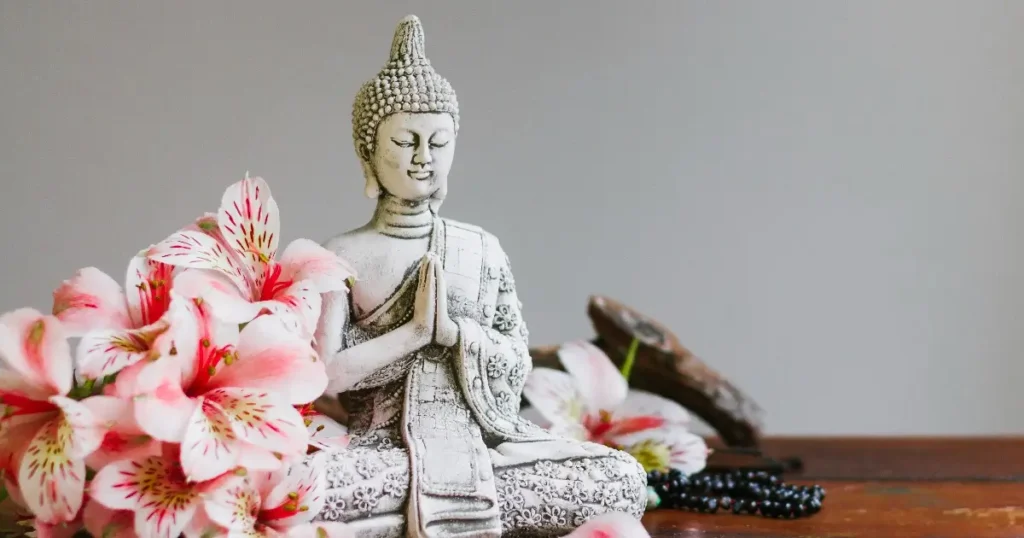
In recent years, mindfulness has emerged as a transformative practice, capturing the interest of individuals seeking to enhance their mental and emotional well-being. This practice, deeply rooted in the wisdom of ancient meditation traditions, has been illuminated by contemporary insights, revealing its profound impact on health, happiness, and self-awareness.
Mindfulness invites us to cultivate a present-moment awareness, offering a path to navigate our thoughts, emotions, and experiences with greater clarity and compassion. It is a practice accessible to all, requiring no special equipment or environment, yet capable of fostering significant changes in how we relate to ourselves and the world around us.
This article aims to clarify mindfulness, presenting its core principles and practical steps for integrating this powerful practice into daily life. Through mindfulness, we access the potential for personal growth, resilience, and a deeper sense of connection, opening the door to a more mindful and fulfilling existence.
What Is Mindfulness?
Mindfulness is the practice of purposely focusing one’s attention on the present moment, without judgment or attachment to thoughts or emotions. It involves being fully aware of what is happening both internally and externally, including sensations, thoughts, and feelings, while maintaining a sense of openness and acceptance. Mindfulness encourages a non-reactive stance towards experiences, allowing individuals to respond to life’s challenges with clarity and composure. It is often cultivated through meditation practices but can also be integrated into daily activities, promoting a greater sense of presence, resilience, and well-being.
Understanding Mindfulness

Historical Roots of Mindfulness
Mindfulness, although gaining popularity in recent years, has ancient roots deeply embedded in various contemplative traditions. Dating back thousands of years, mindfulness finds its origins in practices such as Buddhism, Taoism, and Hinduism.
These ancient cultures recognized the power of present-moment awareness in cultivating inner peace and wisdom. Texts and scriptures from these traditions abound with teachings on mindfulness, emphasizing the importance of being fully present in each moment and cultivating a non-judgmental attitude towards experience.
Throughout history, mindfulness has evolved alongside humanity’s quest for deeper understanding and self-awareness. From the teachings of Siddhartha Gautama, the Buddha, to the Zen masters of Japan and the Taoist sages of China, mindfulness has been passed down through generations as a timeless wisdom practice. Its essence remains unchanged: to awaken to the richness of life unfolding moment by moment.
Evolution of Mindfulness in Contemporary Context
In the modern era, mindfulness has undergone a remarkable resurgence, transcending its religious and cultural origins to become a mainstream practice embraced by people from all walks of life. The late 20th and early 21st centuries witnessed a convergence of Eastern contemplative traditions with Western psychology and science, catalyzing a profound shift in how mindfulness is understood and applied.
Pioneering figures such as Jon Kabat-Zinn played a pivotal role in this evolution by introducing secular mindfulness-based interventions, such as Mindfulness-Based Stress Reduction (MBSR), which adapted ancient mindfulness practices for clinical settings. As scientific research began to validate the efficacy of mindfulness in promoting mental and physical well-being, its adoption expanded beyond therapy rooms into schools, workplaces, and various sectors of society.
Today, mindfulness stands at the forefront of the holistic health movement, offering a holistic approach to wellness that addresses the interconnectedness of mind, body, and spirit. Its integration into mainstream culture reflects a growing recognition of the profound impact of mental habits on individual and collective flourishing.
Core Principles of Mindfulness
At its core, mindfulness embodies a set of principles that guide practitioners in cultivating present-moment awareness and compassionate presence:
| Non-Judgmental Awareness | Mindfulness encourages an attitude of non-judgmental observation towards one’s inner experiences, including thoughts, emotions, and bodily sensations. By letting go of labels and evaluations, practitioners develop a greater capacity to meet each moment with openness and curiosity. |
| Acceptance and Equanimity | Central to mindfulness is the practice of accepting things as they are, without resistance or aversion. This attitude of equanimity allows individuals to embrace both pleasant and unpleasant experiences with grace and resilience, fostering inner peace and emotional balance. |
| Intentional Attention | Mindfulness involves intentionally directing attention to the present moment, anchoring awareness in the here and now. Through practices such as focused attention on the breath or mindful observation of sensory experiences, practitioners develop the ability to cultivate sustained attention and mental clarity. |
| Interconnectedness | Mindfulness acknowledges the interconnected nature of all phenomena, recognizing that individual well-being is intimately linked to the well-being of others and the planet. This awareness inspires compassion and altruism, motivating practitioners to cultivate kindness and empathy towards themselves and others. |
By embodying these core principles, individuals can harness the transformative power of mindfulness to cultivate inner peace, resilience, and well-being in their lives.
The Practice of Mindfulness

Mindfulness is not simply a concept to be understood intellectually; it is a practice to be cultivated in our daily lives. In this chapter, we explore the various techniques through which mindfulness can be embodied and integrated into our routines, allowing us to tap into its transformative potential on a practical level.
1. Mindful Breathing Techniques
Central to the essence of mindfulness practice is the breath – an unwavering tether to the present instant. With mindful breathing techniques, individuals harness this innate power to delve into inner calm and clarity. Whether through the intentional expansion and contraction of the diaphragm in diaphragmatic breathing or the synchronized rhythm of breath and movement in exercises like the Four-Square Breath, practitioners unlock the transformative potential of their breath. This practice serves as a steadfast anchor amidst the ebb and flow of daily existence, empowering individuals to navigate life’s complexities with poise and resilience.
2. Body Scan Meditation
Body scan meditation is a meticulously designed practice that enhances self-awareness through a focused exploration of bodily sensations. This technique involves a deliberate attention shift through various parts of the body, starting from the crown of the head down to the tips of the toes. Participants are trained to notice subtle physical sensations and areas of tension, fostering a profound connection with their bodies. More than a relaxation method, it is a systematic approach to identify and release pent-up tension, thereby promoting a state of deep relaxation. With consistent practice, body scan meditation transforms into a vital self-care tool, encouraging individuals to engage in mindful observation and nurturing of their physical selves at each session.
3. Mindful Eating
Mindful eating emerges as a powerful countermeasure to the prevalent habits of rushed meals and automatic eating. Grounded in mindfulness principles, it encourages individuals to fully engage their senses during the eating process, thus transforming each meal into an intentional act of nourishment. This approach involves deliberate practices such as attentive chewing and pausing between bites to enrich the experience of flavors and textures. Mindful eating elevates the routine act of consuming food into an act of self-awareness and gratitude, turning each meal into a moment of profound connection with the present. By adopting a mindful approach to eating, individuals not only improve their physical well-being but also foster a deeper appreciation for the abundant nourishment available to them.
4. Walking Meditation
Walking meditation provides a unique opportunity for stillness and presence in the midst of daily activities. This practice, adaptable to both indoor and outdoor settings, encourages participants to focus their awareness on the act of walking itself. By aligning movement with breath, individuals learn to anchor themselves in the present moment. Each step, taken with mindfulness, enhances a state of calm and collectedness, transforming walking from a simple physical activity into a deliberate practice of mindfulness. Through walking meditation, the act of moving becomes a profound experience of connection and awareness, offering a path to recognizing the richness of each moment.
5. Mindfulness in Daily Activities
Mindfulness extends far beyond the confines of traditional meditation practices, offering a lens through which every daily activity can become a moment for personal growth and enhanced self-awareness. Simple tasks, whether it’s washing dishes, brushing teeth, commuting, or having conversations, become fertile ground for mindfulness when approached with intentional curiosity and attention. This practice of being fully present transforms routine actions into rich experiences, cultivating a profound sense of gratitude and engagement with life.
Adopting these mindfulness practices into our daily routines deepens our comprehension and appreciation of mindfulness, allowing us to witness its transformative impact directly. By consistently practicing mindfulness, we invite a state of openness and curiosity into our lives, recognizing the potential within each moment to contribute to our journey of self-discovery and personal transformation. Through mindfulness, we access a deeper connection to the essence of our existence, uncovering the beauty in the ordinariness of our daily lives.
The Benefits of Mindfulness

Mindfulness, a practice with roots in ancient traditions, has found a significant place in contemporary wellness and psychology. It involves the cultivation of a non-judgmental, present-moment awareness, offering profound benefits for mental, emotional, and physical well-being. This chapter delves into the myriad ways mindfulness can enrich your life, fostering greater resilience, happiness, and health.
Enhanced Mental Clarity and Focus
One of the most immediate benefits of mindfulness is the enhancement of mental clarity and focus. In a world where distractions abound, mindfulness practices train the mind to remain present and engaged with the task at hand. This increased concentration leads to improved productivity and the ability to process information more effectively, making mindfulness an invaluable tool in both personal and professional realms.
Emotional Stability and Resilience
Mindfulness also plays a crucial role in emotional regulation. By fostering an attitude of openness and curiosity toward our experiences, mindfulness helps individuals navigate life’s ups and downs with greater ease. Regular practice allows one to observe emotions without being overwhelmed by them, promoting a balanced emotional state. This equanimity enhances resilience, enabling individuals to recover more swiftly from stress and adversity.
Strengthened Relationships
The practice of mindfulness extends its benefits to interpersonal relationships. Mindful communication — listening and speaking with full attention — fosters deeper connections and understanding. This attentive presence discourages reactive behaviors and encourages more thoughtful, compassionate interactions. Consequently, mindfulness can lead to stronger, more harmonious relationships with family, friends, and colleagues.
Improved Physical Health
The impact of mindfulness transcends mental and emotional advantages, extending into physical health benefits. Research suggests that mindfulness can reduce chronic pain, lower blood pressure, and improve sleep quality. Moreover, it has been associated with better immune function and decreased inflammation. The stress-reducing effects of mindfulness also contribute to its positive impact on overall physical health.
Enhanced Self-awareness and Personal Growth
Mindfulness cultivates a deep, introspective understanding of oneself. Through regular practice, individuals become more attuned to their thoughts, feelings, and behaviors. This heightened self-awareness fosters personal growth, as individuals are better equipped to identify areas for improvement and make conscious choices that align with their values and goals.
Cultivation of Gratitude and Joy
Lastly, mindfulness nurtures an appreciative and joyful approach to life. By encouraging individuals to live in the present moment, mindfulness opens the door to savoring the simple pleasures of life, fostering a sense of gratitude. This gratitude, in turn, cultivates a more profound, enduring sense of happiness and contentment.
In conclusion, the practice of mindfulness offers a wide array of benefits that can significantly enhance the quality of one’s life. From sharpening mental faculties and bolstering emotional resilience to enriching relationships and promoting physical health, mindfulness is a powerful tool for personal transformation. As we integrate mindfulness into our daily routines, we unlock the potential to live more fulfilling, balanced, and joyful lives.
The Buddha’s Teachings on Mindfulness

The Buddha’s teachings place mindfulness at the core of the path to enlightenment. Mindfulness, or “sati” in Pali, is a key element in the Buddha’s teachings, particularly highlighted in the Satipatthana Sutta, which is often translated as “The Foundation of Mindfulness Discourse.”
This text outlines the practice of mindfulness as a way to develop insight, awareness, and understanding of the nature of reality, leading to liberation from suffering. The Buddha described mindfulness as the ability to remain fully aware of the present moment, without attachment or aversion.
This means observing thoughts, feelings, sensations, and the external environment with a clear, focused mind, without getting caught up in them. He taught that mindfulness should be applied to four foundations:
| Mindfulness of the body (kayanupassana) | Observing the body and bodily sensations, recognizing the impermanent nature of the physical form. |
| Mindfulness of feelings (vedananupassana) | Noticing feelings as they arise, whether pleasant, unpleasant, or neutral, and understanding their transient nature. |
| Mindfulness of mind (cittanupassana) | Being aware of the state of the mind, observing thoughts and emotions without becoming identified with them. |
| Mindfulness of dhammas (dhammanupassana) | Contemplating the Dhamma (the Buddha’s teachings), including the Four Noble Truths and other aspects of the path to enlightenment. |
The Buddha emphasized that through the diligent practice of mindfulness, people could overcome ignorance and craving, leading to the cessation of suffering (dukkha), the realization of Nibbana (Nirvana), and ultimate freedom.
Mindfulness, therefore, is not merely a meditation practice but a way of living mindfully, with awareness and compassion in every moment of life.
Final Thoughts

Mindfulness is more than just a practice; it’s a transformative journey that invites us to experience life more fully. By cultivating awareness through the four foundations of mindfulness, we open the door to a deeper understanding of ourselves and the world around us.
This journey is not without its challenges, as it requires consistent effort and a willingness to confront our habitual patterns of thought and behavior. However, the rewards are immeasurable. Mindfulness teaches us to embrace each moment with acceptance, compassion, and openness, leading to greater peace, resilience, and joy.
As we incorporate mindfulness into our daily lives, we begin to notice subtle shifts in our reactions and interactions. We become more patient, more present, and more connected to the people and environment around us. This enhanced connection fosters a sense of belonging and contributes to our overall well-being and happiness.
Let us remember that mindfulness is not a destination but a path. It’s a lifelong journey that deepens with practice and unfolds in its own time. Whether you are new to mindfulness or have been practicing for years, each moment offers a fresh opportunity for discovery and growth. By committing to this path, we open ourselves to the fullness of life, embracing its beauty, its challenges, and its endless possibilities for transformation.
If you found this article useful, you can support the work here.
