
7 Holistic Interior Design Tips for a Calm Home

Your home should be more than just a place to live—it should be a sanctuary that restores your energy and nurtures your well-being. Holistic interior design goes beyond decor, focusing on natural materials, soothing colors, and mindful arrangements that create balance and harmony. Whether you’re looking to declutter with purpose, introduce calming scents, or design a sacred space for reflection, these simple yet powerful changes can transform your home into a retreat that supports both body and mind.
Disclosure: If you make a purchase through the links provided, I may earn a small commission at no additional cost to you.
1. Natural Materials Only
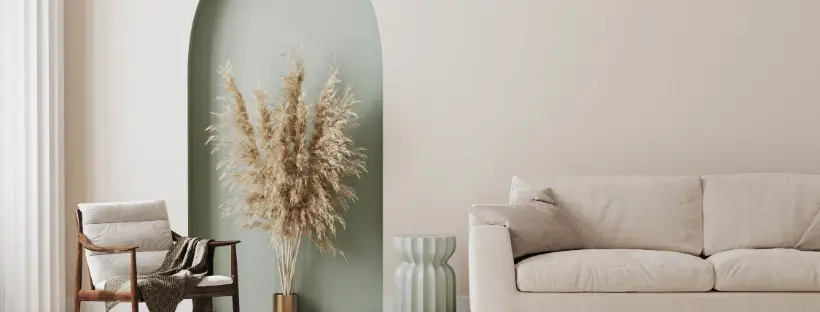
Your home should be a sanctuary, free from the synthetic materials that disrupt well-being. Choosing natural materials like solid wood, stone, linen, and organic cotton creates a space that feels grounded and alive. Unlike plastic or chemically treated furniture, these materials regulate humidity, improve air quality, and bring a tactile sense of comfort. They also age beautifully, developing character over time instead of breaking down into waste.
Beyond aesthetics, natural materials support holistic health. Many conventional home items contain volatile organic compounds (VOCs), which can linger in the air and affect respiratory health. Opting for untreated wood furniture, wool rugs, and linen upholstery minimizes exposure to toxins and fosters a space that promotes balance and restoration. Whether it’s a clay vase, a jute rug, or a marble countertop, these elements invite a deeper connection to nature inside your home.
Making the switch doesn’t have to be overwhelming. Start small with wooden trays instead of plastic, swap synthetic curtains for organic cotton, or replace mass-produced decor with handcrafted pieces. Each choice contributes to a home that feels more grounded, healthier, and aligned with holistic living.
2. Air-Purifying Plants
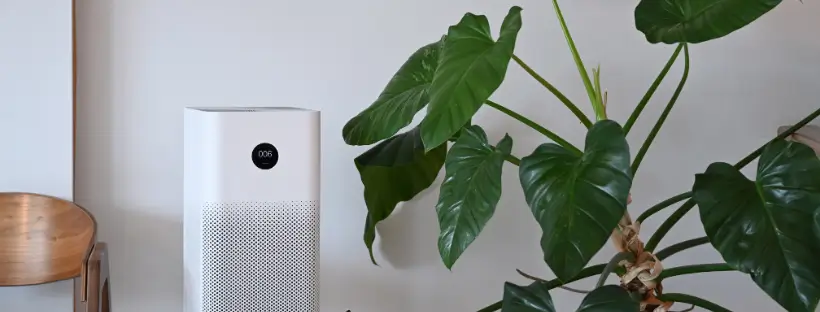
Bringing greenery into your home is more than just a design choice—it’s a natural way to improve air quality and create a peaceful atmosphere. Plants like snake plants, peace lilies, and bamboo palms filter out toxins while increasing oxygen levels. This simple addition can transform the energy of a space, making it feel fresher, calmer, and more connected to the earth.
Beyond their air-purifying properties, plants have a profound effect on mental well-being. Studies show that caring for greenery reduces stress, lowers blood pressure, and boosts mood. A well-placed fiddle leaf fig in the living room or a cluster of succulents in the kitchen adds visual warmth while fostering a sense of mindfulness in daily routines.
To fully embrace the benefits of plant life, be intentional with placement. Large leafy plants can anchor a room and soften harsh angles, while trailing vines add flow and movement. Whether you create a lush indoor jungle or keep it simple with a few well-placed pots, greenery enhances a home’s holistic energy.
3. Soft, Warm Lighting

Lighting plays a significant role in setting the mood of a home, yet it’s often overlooked in favor of aesthetics. Harsh fluorescent or overly bright LED lights disrupt the body’s natural rhythms, making it harder to unwind. Opting for warm, soft lighting—like dimmable bulbs, Himalayan salt lamps, and beeswax candles—creates a soothing environment that encourages relaxation.
Natural light should be prioritized whenever possible. Sunlight not only boosts serotonin levels but also regulates the body’s circadian rhythm, leading to better sleep and overall well-being. Sheer curtains allow daylight to flow in while maintaining privacy, and strategically placing mirrors helps reflect and amplify natural light throughout the home.
As the sun sets, transition to lighting that mimics nature. Warm, amber-toned bulbs reduce eye strain and signal to the brain that it’s time to relax. Candles infused with essential oils like lavender or sandalwood add another layer of tranquility, making evening routines more intentional. By adjusting lighting to support your body’s natural cycles, you create a home that nurtures both energy and rest.
4. Declutter with Purpose
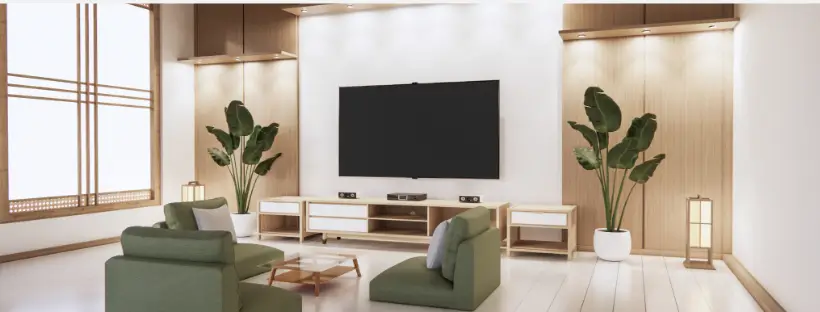
A cluttered space creates mental noise, making it difficult to relax or focus. Holistic interior design isn’t about minimalism for its own sake—it’s about surrounding yourself with items that serve a purpose, bring joy, or hold meaning. When each object in your home has intentionality behind it, the entire space feels lighter and more balanced.
The process of decluttering should feel empowering rather than restrictive. Instead of focusing on what to remove, start by identifying what truly supports your well-being. Keep items that inspire creativity, encourage relaxation, or contribute to a sense of sanctuary. By letting go of excess, you create room for clarity, ease, and better energy flow in your home.
Storage solutions also play a role in a mindful space. Opt for natural baskets, wooden shelves, or woven bins to keep belongings organized while maintaining a warm, organic feel. The goal isn’t to strip a space down to the bare essentials but to curate an environment that aligns with a holistic lifestyle—one where every object supports your daily rhythm and sense of peace.
5. Mindful Color Choices
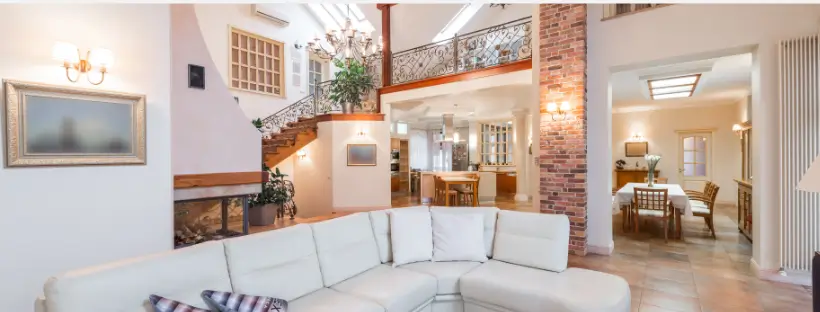
Colors have a direct impact on mood, energy levels, and overall well-being. Bright, saturated tones can be stimulating, while soft, earthy hues promote relaxation. In holistic interior design, the goal is to create a palette that supports emotional balance and harmony within the home.
Neutral tones like beige, warm grays, and soft whites create a calming foundation, allowing other natural elements to shine. Earthy greens, muted blues, and warm terracotta shades bring in a sense of grounding and connection to nature. Avoid overly intense colors like neon hues or stark black-and-white contrasts, as they can feel jarring and overstimulating.
Consider the function of each space when choosing colors. Bedrooms benefit from soothing pastels or deep, restful tones, while common areas may thrive with gentle, inviting shades. Even small touches—like clay-colored throw pillows, a sage-green accent wall, or natural wood furniture—can transform the feel of a room. When used thoughtfully, color becomes an extension of holistic well-being, shaping how you feel in your space every day.
6. Sacred Space for Reflection
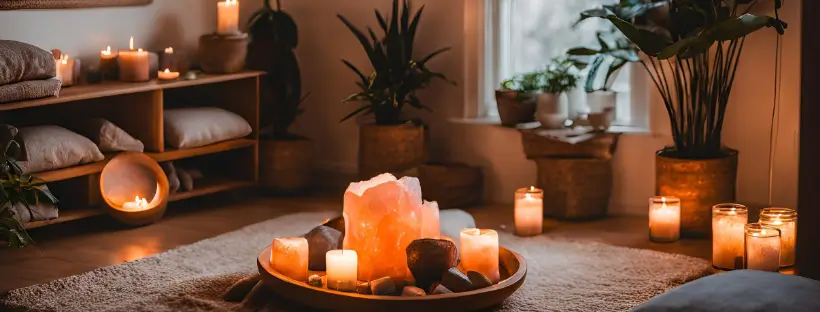
Every home should have a designated area for relaxation, introspection, or spiritual practice. Whether it’s a cozy reading nook, a meditation corner, or an altar with meaningful objects, this sacred space serves as a daily reminder to pause and reconnect with yourself.
Creating a sacred space doesn’t require a large room—just an intentional arrangement of calming elements. A floor cushion, a candle, and a small plant can define a peaceful corner for mindfulness. Adding personal touches like crystals, a journal, or an essential oil diffuser makes it uniquely yours. The key is to create an environment that invites stillness and reflection.
This space should be free from distractions and designed for comfort. Natural textures, soft lighting, and grounding scents help reinforce a sense of peace. By dedicating even a small part of your home to mindfulness, you cultivate a daily practice of slowing down, centering yourself, and nurturing your inner well-being.
7. Natural Scents & Soundscapes
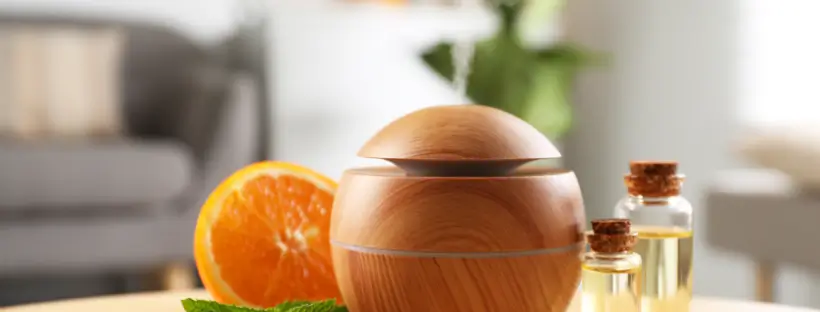
Scent and sound have a profound effect on the energy of a home. Artificial fragrances and synthetic air fresheners may smell pleasant but often contain chemicals that disrupt indoor air quality. Instead, natural scents—like essential oils, beeswax candles, or dried herbs—create a sensory experience that promotes relaxation and well-being.
Essential oils like lavender, sandalwood, and frankincense can be diffused to encourage calmness, while citrus or eucalyptus add an uplifting, fresh energy to a space. Burning dried sage or palo santo can also help clear stagnant energy and refresh the home’s atmosphere. Natural incense, when used mindfully, can enhance rituals, meditation, or simple moments of reflection.
Sound plays a role in creating a tranquil environment as well. Nature-inspired soundscapes—such as rain, ocean waves, or birdsong—offer a grounding effect, reducing stress and improving focus. Soft instrumental music or Tibetan singing bowls can set the tone for relaxation, turning everyday moments into intentional, mindful experiences. A holistic home engages all the senses, creating a sanctuary that nurtures both body and mind.
Final Thoughts

A well-designed home is more than just aesthetically pleasing—it shapes your energy, mindset, and overall well-being. By incorporating natural materials, mindful lighting, and purposeful decor, you create a space that nurtures both body and mind. Every choice, from the colors on your walls to the scents in the air, influences how you feel in your daily life. A holistic approach to interior design ensures that your home supports relaxation, clarity, and balance.
Beyond design elements, the true essence of a sacred space lies in its ability to reflect your values and lifestyle. Decluttering with purpose, dedicating areas for reflection, and surrounding yourself with meaningful objects create an environment that fosters peace and mindfulness. Your home should feel like a retreat, offering a refuge from external noise and reconnecting you with what matters most.
Bringing holistic principles into your home doesn’t require a drastic overhaul—small, intentional changes can make a lasting impact. Whether you introduce air-purifying plants, switch to warm lighting, or create a meditation corner, each step contributes to a more harmonious living space. A thoughtfully designed home is an extension of self-care, enhancing your well-being every time you step through the door.
