10 Ancient Remedies Big Pharma Doesn’t Want You to Know About

For centuries, plants were the foundation of medicine—until pharmaceutical companies patented their compounds, modified them, and turned them into billion-dollar drugs. In doing so, they removed nature’s balance, replacing it with synthetic versions that often come with fillers, side effects, and higher risks. This article uncovers 10 natural remedies that were once freely used but have since been repackaged and sold back—while their original, often safer, forms remain ignored.
Disclosure: The information provided is for educational purposes only and not intended as medical advice. Consult a healthcare professional before making any changes to your health routine. If you make a purchase through the links provided, I may earn a small commission at no additional cost to you.
- 1. Black Cumin Seed (Nigella Sativa) → Immune Support & Inflammation
- 2. Soursop (Graviola) → Cancer & Immunity
- 3. Berberine (From Goldenseal & Barberry) → Blood Sugar & Heart Health
- 4. Pine Needle Tea → Antiviral & Detoxification
- 5. Fulvic Acid & Shilajit → Cellular Health & Detoxification
- 6. Artemisia Annua (Sweet Wormwood) → Malaria & Infections
- 7. Lion’s Mane Mushroom → Nerve Regeneration & Brain Health
- 8. Chanca Piedra (Stone Breaker) → Kidney Stones & Liver Health
- 9. Moringa → Nutritional Deficiencies & Inflammation
- 10. Propolis → Natural Antibiotic & Immune Booster
- Final Thoughts
1. Black Cumin Seed (Nigella Sativa) → Immune Support & Inflammation
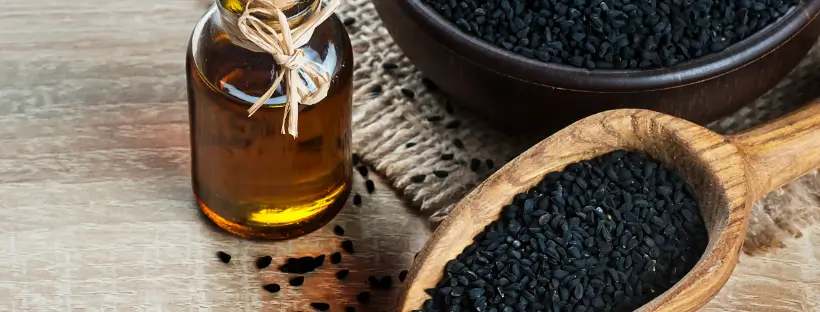
Used for centuries in traditional medicine, black cumin seed (Nigella sativa) is known for its immune-boosting and anti-inflammatory properties. Modern research confirms that thymoquinone, its key compound, enhances immune response by regulating cytokine production. A study in Frontiers in Pharmacology found that it helps strengthen immunity, making it a natural alternative to pharmaceutical immunosuppressants.
Black cumin seed also reduces inflammation by inhibiting NF-κB, a key factor in chronic conditions like arthritis and asthma. A Journal of Inflammation Research study found that it lowers inflammatory markers without the liver and kidney risks of synthetic anti-inflammatories, making it a safer long-term option.
Despite its proven benefits, black cumin seed is largely ignored in modern medicine. Instead, expensive pharmaceuticals dominate the market, while this time-tested, natural remedy remains overlooked—even as studies continue to confirm its effectiveness.
2. Soursop (Graviola) → Cancer & Immunity
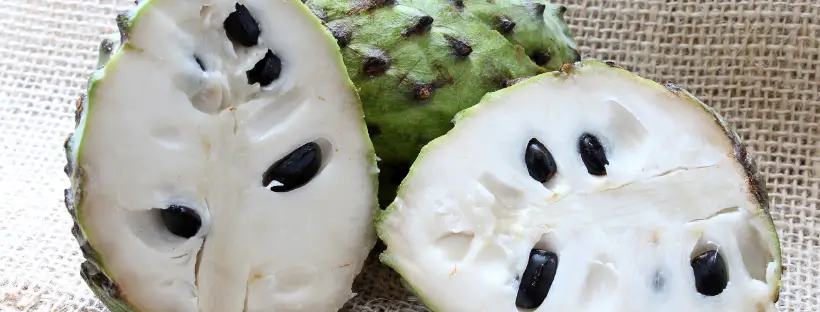
Soursop (Annona muricata), also known as graviola, has been traditionally used in the Amazon for treating infections, parasites, and even tumor growth. Indigenous communities have long brewed its leaves into teas and used its fruit for medicinal purposes. Modern research has identified acetogenins, unique compounds in soursop that exhibit potent anti-cancer properties by selectively targeting cancer cells while leaving healthy cells unharmed.
A study published in Oxidative Medicine and Cellular Longevity found that soursop extract induces apoptosis (cell death) in cancer cells and may help slow tumor growth. Research also suggests it has anti-inflammatory, antimicrobial, and immune-boosting properties, making it a powerful natural remedy. However, most studies have been conducted in lab settings, and clinical trials in humans are lacking, which has kept soursop from being widely accepted in mainstream medicine.
Despite its potential, pharmaceutical companies continue to push chemotherapy and radiation treatments, which often come with severe side effects. While soursop has shown promise as a natural alternative, it remains largely unstudied in large-scale trials, raising the question: if lab research consistently shows anti-cancer properties, why isn’t more effort being made to explore it as a legitimate treatment?
3. Berberine (From Goldenseal & Barberry) → Blood Sugar & Heart Health

Berberine, a compound found in goldenseal and barberry, has been used for centuries to treat infections, digestive issues, and inflammation. Recent research highlights its potential in managing blood sugar and improving heart health, making it a natural alternative to pharmaceutical drugs.
Studies show that berberine activates AMPK, an enzyme that regulates energy metabolism, improving insulin sensitivity and glucose uptake. Research in the Journal of Clinical Endocrinology & Metabolism found that berberine significantly lowers fasting blood sugar and HbA1c levels, making it effective for type 2 diabetes.
Beyond blood sugar control, berberine also supports heart health by lowering LDL cholesterol and blood pressure. A meta-analysis in the American Journal of Cardiology confirmed its ability to improve lipid profiles, reducing cardiovascular risk. Despite its proven benefits, berberine remains underutilized while pharmaceutical companies continue promoting synthetic alternatives with side effects.
4. Pine Needle Tea → Antiviral & Detoxification
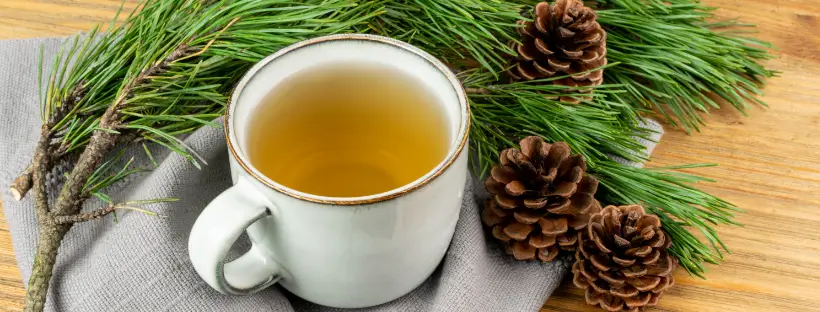
Pine needle tea has been used for centuries in traditional medicine, particularly by Native American tribes, for respiratory health and immune support. It was valued for its high vitamin C content, which helped prevent scurvy, and was commonly used to relieve chest congestion, sore throats, and seasonal illnesses. The natural compounds in pine needles were believed to strengthen the immune system, making it an important remedy for winter ailments.
Modern research has revealed that pine needles contain shikimic acid, a key compound used in the production of Tamiflu, one of the most widely prescribed antiviral drugs. While pharmaceutical companies extract shikimic acid from other sources, pine needles provide a natural, accessible alternative. Pine needle tea is also rich in antioxidants and plant compounds that support detoxification by helping the body eliminate harmful substances and oxidative stress.
Despite its antiviral and detoxifying properties, pine needle tea remains largely overlooked in mainstream medicine. Instead, the pharmaceutical industry continues to focus on synthetic antiviral treatments, ignoring a natural remedy that has been used effectively for generations. With its immune-boosting benefits and bioavailable nutrients, pine needle tea is a traditional yet powerful option that has yet to receive the attention it deserves.
5. Fulvic Acid & Shilajit → Cellular Health & Detoxification

Shilajit, a mineral-rich resin formed over centuries from decomposed plant matter, has been a key component of Ayurvedic medicine for thousands of years. Known as the “destroyer of weakness,” it was traditionally used to restore vitality, detoxify the body, and enhance overall health. Fulvic acid, its primary bioactive compound, is responsible for its powerful detoxifying and mineral-transporting properties. Unlike synthetic supplements, which often contain isolated nutrients with poor absorption, fulvic acid binds to minerals and delivers them directly into cells, ensuring optimal bioavailability.
Scientific studies have confirmed that fulvic acid improves nutrient absorption, supports mitochondrial function, and helps remove heavy metals and toxins from the body. Research also suggests that it enhances ATP production, the body’s energy source, making it beneficial for chronic fatigue, cognitive function, and overall vitality. Despite these findings, mainstream medicine largely ignores shilajit’s benefits, focusing instead on synthetic multivitamins and detox supplements that lack the full spectrum of bioavailable minerals and plant compounds found in this ancient remedy.
While pharmaceutical companies continue promoting lab-made vitamins and energy boosters, shilajit remains one of the most effective natural solutions for cellular health and detoxification. With its ability to enhance nutrient absorption, combat oxidative stress, and support detox pathways, it stands as a time-tested alternative to modern synthetic supplements—one that nature perfected long before lab-made alternatives existed.
6. Artemisia Annua (Sweet Wormwood) → Malaria & Infections
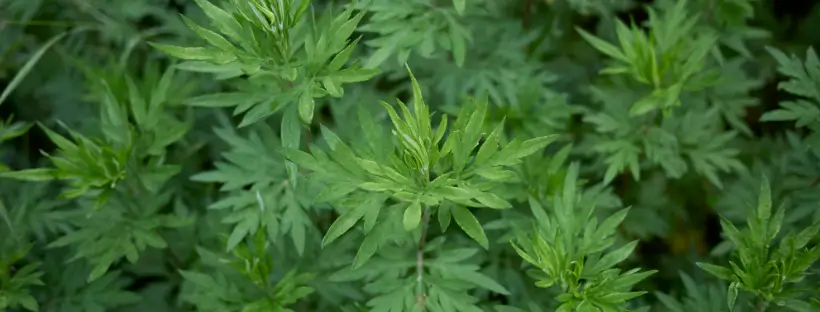
Sweet wormwood (Artemisia annua) has been used in Traditional Chinese Medicine for centuries to treat fevers and infections. Healers prepared it as a tea or extract to cool the body and fight disease, long before modern medicine recognized its benefits. In the 1970s, scientists identified artemisinin, the plant’s key compound, as a powerful anti-malarial treatment, leading to the development of patented malaria drugs based on its isolated form.
While artemisinin-based drugs have been life-saving, the whole plant contains other bioactive compounds that may enhance its effectiveness and prevent resistance. Research suggests that traditional preparations of sweet wormwood work synergistically, yet pharmaceutical companies have focused only on isolated, patentable versions, overlooking the benefits of the full-spectrum plant.
Despite its long history, sweet wormwood remains largely ignored outside of its pharmaceutical extract. Instead of promoting its traditional use, modern medicine prioritizes synthetic derivatives, turning an ancient remedy into an exclusive, multi-billion-dollar drug while leaving the natural alternative behind.
7. Lion’s Mane Mushroom → Nerve Regeneration & Brain Health
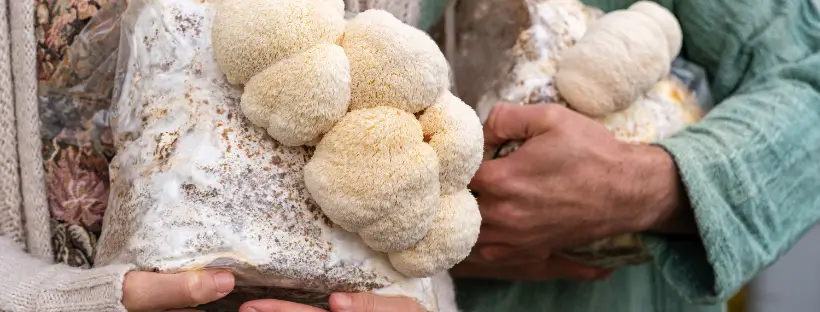
For centuries, healers in Traditional Chinese Medicine turned to lion’s mane mushroom (Hericium erinaceus) for its brain-boosting and nerve-healing properties. Used as a tea or extract, it was believed to sharpen memory, enhance focus, and promote longevity. Today, research has confirmed what ancient healers knew—this unique mushroom contains hericenones and erinacines, compounds that stimulate nerve growth factor (NGF), a key protein for brain cell repair and regeneration.
Studies suggest that lion’s mane slows cognitive decline, improves memory, and even promotes nerve regrowth, making it a promising natural therapy for neurodegenerative diseases. Research published in Frontiers in Aging Neuroscience found that lion’s mane extract improved cognitive function in individuals with mild Alzheimer’s symptoms. Yet, mainstream medicine continues to push synthetic Alzheimer’s drugs that come with severe side effects while failing to address nerve degeneration at its root.
Despite growing evidence of its neuroprotective properties, lion’s mane remains overshadowed by pharmaceutical treatments. Instead of promoting a natural, research-backed solution, modern medicine prioritizes patentable drugs, ignoring the potential of a safe, effective remedy that has existed for centuries.
8. Chanca Piedra (Stone Breaker) → Kidney Stones & Liver Health

Chanca piedra (Phyllanthus niruri), known as the “stone breaker,” has been used in South American traditional medicine for centuries to dissolve kidney stones and gallstones naturally. Indigenous healers prepared it as a tea or extract to flush out stones, reduce inflammation, and support liver function. Modern research has confirmed its ability to relax the urinary tract and break down mineral deposits, making it an effective natural remedy for kidney and gallbladder health.
A study published in the Journal of Urology found that chanca piedra extract helped prevent the formation of calcium oxalate crystals, the most common type of kidney stone. Research also suggests that its anti-inflammatory and liver-protective properties may support detoxification and aid in treating fatty liver disease. Despite this, mainstream medicine rarely recommends it, instead promoting costly surgeries, painkillers, and pharmaceutical treatments that often come with side effects.
While kidney stone treatments can be painful and expensive, chanca piedra remains a safe, accessible, and evidence-backed alternative. Instead of exploring plant-based solutions, modern healthcare prioritizes profit-driven interventions, keeping natural, effective remedies like this out of the spotlight.
9. Moringa → Nutritional Deficiencies & Inflammation
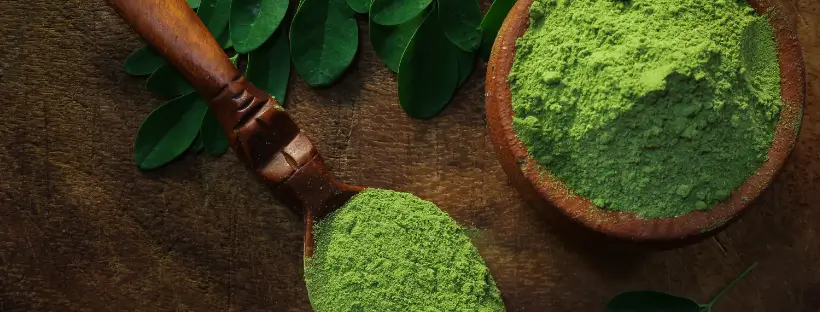
Moringa (Moringa oleifera), known as the “miracle tree,” has been used for generations to combat malnutrition, boost immunity, and reduce inflammation. Packed with bioavailable vitamins, minerals, and antioxidants, it outperforms synthetic multivitamins, which often lack the necessary cofactors for proper absorption. Unlike lab-made supplements, moringa provides a complete nutritional profile in its natural form.
Studies confirm its impressive nutrient density, with seven times more vitamin C than oranges and four times more calcium than milk. Research in the Journal of Food Science and Human Wellness highlights its ability to reduce oxidative stress, a major factor in chronic diseases like diabetes, heart disease, and arthritis. Despite this, mainstream medicine prioritizes synthetic alternatives, often less effective than whole-plant nutrition.
Rather than promoting moringa as a natural, research-backed superfood, the pharmaceutical industry profits from patented multivitamins and anti-inflammatory drugs. With proven benefits and global availability, moringa remains an underrated, powerful alternative—one that challenges the need for expensive, synthetic solutions.
10. Propolis → Natural Antibiotic & Immune Booster
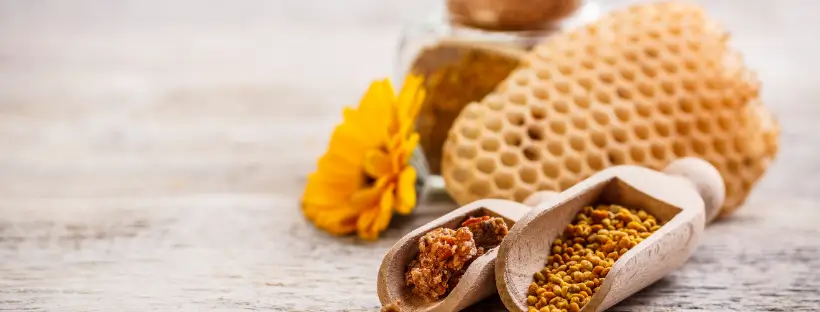
Used for centuries as a natural defense against infections, propolis was a key remedy in Egyptian, Greek, and Roman medicine for treating wounds and preventing disease. It was prized for its antibacterial, antiviral, and antifungal properties, making it one of the most effective natural antibiotics long before synthetic drugs existed. Traditional healers applied it directly to wounds or used it in tinctures to boost immunity and fight off illness.
Modern research confirms that propolis kills harmful bacteria, even antibiotic-resistant strains like Staphylococcus aureus. A study in the Journal of Ethnopharmacology found that its flavonoids and polyphenols disrupt bacterial growth while enhancing the immune system. Unlike pharmaceutical antibiotics, which contribute to antibiotic resistance and weaken gut health, propolis offers a broad-spectrum antimicrobial effect without harmful side effects.
Despite its effectiveness, propolis remains overlooked in modern medicine, while pharmaceutical companies profit from antibiotics that fuel resistance issues. As antibiotic overuse continues to create drug-resistant superbugs, propolis stands as a proven, natural alternative—one that challenges the need for synthetic solutions.
Final Thoughts

For centuries, ancient healing practices relied on plants, fungi, and natural compounds—long before pharmaceutical companies patented and profited from their active ingredients. Many of today’s most prescribed drugs originated from freely available natural remedies, now sold back in synthetic forms with fillers, side effects, and higher risks.
Modern medicine praises innovation yet ignores centuries of proven healing wisdom. Research confirms that whole-plant remedies often work just as well, offering benefits without the toxic burden of pharmaceuticals. But instead of exploring these solutions, the system favors patentable, profitable drugs while dismissing what cannot be controlled or owned.
The issue isn’t whether natural medicine works—science has already proven that it does. The real question is: why is it being ignored? Reclaiming ancient healing practices that still work today isn’t just about health; it’s about challenging a system that profits from keeping people sick.