From Pain to Relief: The Basics of Dry Needling

Imagine a therapy that can pinpoint and alleviate chronic pain with just a few precise needle insertions. Dry needling has emerged as a powerful technique in the realm of physical therapy and pain management, gaining recognition for its ability to target and relieve musculoskeletal discomfort effectively.
This modern intervention, although distinct from traditional acupuncture, shares the common goal of promoting healing and enhancing physical function. By delving into the scientific mechanisms that underpin dry needling, we can uncover why it stands out as an effective treatment option for various conditions, offering hope and relief to those who suffer from persistent pain.
What Is Dry Needling?
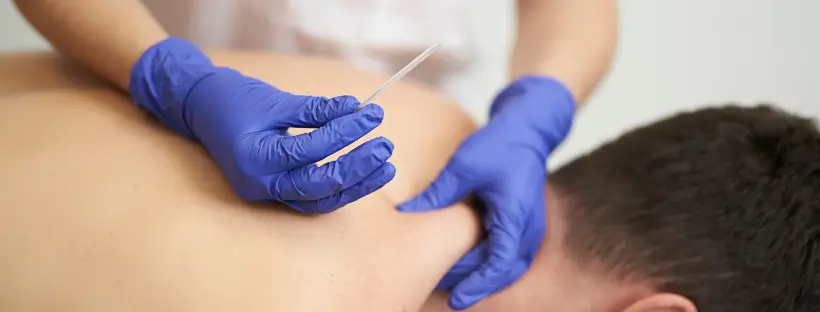
Dry needling is a therapeutic technique used to alleviate musculoskeletal pain and improve muscle function. It involves inserting fine, solid filiform needles into myofascial trigger points, tendons, ligaments, or near nerves to stimulate a healing response in the targeted tissue. Unlike acupuncture, which is based on traditional Chinese medicine principles, dry needling is grounded in Western medical practices and focuses on anatomy and neurophysiology. The primary aim of dry needling is to release muscle tension, improve blood flow, and promote healing by disrupting the pain cycle and facilitating a more effective rehabilitation process.
The technique of dry needling is typically performed by trained physical therapists, chiropractors, and other healthcare professionals specializing in musculoskeletal health. During a session, the practitioner identifies areas of muscle tightness or trigger points, which are hypersensitive spots within a tight band of muscle that can cause localized pain or referred pain in other areas. By inserting needles directly into these points, dry needling can elicit a local twitch response, which helps reset the muscle fibers to their normal resting state. This intervention is often used to treat conditions such as chronic back pain, tendonitis, and sports injuries, offering patients a non-pharmacological option for pain relief.
Research and clinical experience support the efficacy of dry needling in reducing pain and improving function, though patient experiences can vary. Some individuals experience immediate relief, while others may require several sessions to achieve optimal results. The procedure is generally considered safe when performed by qualified practitioners, with potential side effects including minor bleeding, bruising, or temporary soreness at the needle insertion sites. As an adjunct to other therapeutic interventions, dry needling can be a valuable tool in a comprehensive treatment plan aimed at enhancing musculoskeletal health and overall well-being.
Does Dry Needling Hurt?

The experience of pain during dry needling can vary significantly from person to person, depending on individual sensitivity, the specific areas being treated, and the skill of the practitioner. Generally, the insertion of the needle is felt as a slight prick or pinch, which is usually tolerable for most patients. As the needle penetrates deeper into the muscle, some individuals may experience a dull ache or pressure. When the needle stimulates a myofascial trigger point, it can produce a local twitch response, which may be momentarily uncomfortable but is a positive indication that the muscle is reacting and releasing tension.
It is important to differentiate between the sensations of dry needling and the pain associated with the underlying condition being treated. While the insertion and manipulation of the needle can cause transient discomfort, many patients report significant relief from their chronic pain or muscle tightness following the treatment. The brief discomfort during the procedure is often outweighed by the long-term benefits of reduced pain and improved function. Practitioners aim to minimize discomfort by using precise techniques and communicating with patients throughout the session to ensure their comfort.
Post-treatment soreness is a common side effect of dry needling, akin to the feeling experienced after an intense workout. This soreness typically subsides within 24 to 48 hours and can be managed with light stretching, hydration, and over-the-counter pain relievers if necessary. Patients are advised to communicate any concerns or heightened pain levels to their healthcare provider, who can adjust the treatment approach as needed. Overall, while dry needling may cause some discomfort, it is generally well-tolerated and considered a beneficial intervention for managing musculoskeletal pain.
The Dry Needling Procedure

The dry needling procedure begins with a thorough pre-treatment assessment conducted by a trained healthcare professional. This assessment involves evaluating the patient’s medical history, identifying specific areas of pain, and locating trigger points within the muscle tissue. Safety considerations and contraindications are carefully reviewed to ensure the appropriateness of the treatment for each individual patient. This comprehensive evaluation is essential for developing a targeted and effective treatment plan.
During the dry needling session, thin, sterile needles are used to penetrate the skin and reach the underlying muscle tissue. The technique involves inserting the needles directly into the identified trigger points, often at varying depths to achieve the desired therapeutic effect. The insertion may provoke a local twitch response, which is a brief, involuntary contraction of the muscle. This response is an indication that the needle has successfully targeted the trigger point. The mechanical action of the needle helps to release muscle tension, reduce pain, and promote healing. The practitioner may manipulate the needle to enhance these effects further.
After the needling procedure, immediate aftercare is provided to manage any potential soreness or side effects. Patients may experience a mild, post-treatment discomfort similar to muscle soreness after intense physical activity. Recommended post-treatment activities and exercises are given to support recovery and enhance the effectiveness of the dry needling session. Long-term management includes evaluating the patient’s progress, determining the frequency and duration of follow-up sessions, and integrating dry needling with other therapeutic modalities as needed. Continuous monitoring and assessment ensure that the treatment remains effective and aligned with the patient’s evolving needs.
Post-Treatment and Follow-Up

Following a dry needling session, immediate post-treatment care is crucial to ensure optimal recovery and effectiveness of the procedure. Patients may experience mild soreness or discomfort at the needle insertion sites, similar to the sensation felt after vigorous physical exercise. To manage this, practitioners often recommend gentle stretching, hydration, and the application of heat or ice packs as needed. These measures help alleviate any residual soreness and promote faster healing of the treated areas.
In the days following the treatment, patients are advised to engage in specific activities and exercises designed to enhance the benefits of dry needling. These exercises typically focus on improving flexibility, strengthening muscles, and maintaining the newly gained range of motion. It is important to follow the practitioner’s guidelines closely to maximize the therapeutic outcomes and prevent the recurrence of symptoms. Regular follow-up appointments are scheduled to monitor progress, assess the effectiveness of the treatment, and make any necessary adjustments to the therapy plan.
Long-term management of the patient’s condition involves integrating dry needling into a comprehensive rehabilitation program. This program may include a combination of physical therapy techniques, ergonomic adjustments, and lifestyle modifications aimed at addressing the underlying causes of pain and dysfunction. By adopting a holistic approach, practitioners can ensure sustained relief and improved overall function. Continuous evaluation and feedback are essential to adapt the treatment plan to the patient’s evolving needs and to ensure lasting benefits from the dry needling therapy.
Dry Needling vs. Acupuncture
Dry needling and acupuncture are two distinct therapeutic techniques that involve the use of needles but are based on different principles and methodologies. Dry needling, rooted in Western medical practices, focuses on alleviating musculoskeletal pain by targeting myofascial trigger points—hyperirritable spots within a muscle. Practitioners, often physical therapists or chiropractors, insert fine, solid needles into these specific points to relieve muscle tension, improve blood flow, and promote healing. The primary goal of dry needling is to address pain and dysfunction directly within the musculoskeletal system.
Acupuncture, on the other hand, is an ancient practice from Traditional Chinese Medicine (TCM) that aims to balance the body’s energy, or qi, which flows through pathways known as meridians. Acupuncturists insert thin needles into specific points along these meridians to restore the flow of qi and improve overall health and well-being. Unlike dry needling, which targets localized muscle pain, acupuncture is used to treat a wide range of conditions, including pain, stress, digestive issues, and more, by harmonizing the body’s internal energy.
The training and approach of practitioners in these fields also differ. Dry needling practitioners typically have a background in physical therapy or other musculoskeletal-focused healthcare fields and receive specialized training in dry needling techniques. Acupuncturists undergo extensive education in TCM, encompassing anatomy, physiology, and the philosophy of qi and meridians. While both techniques utilize needles, their insertion points, treatment goals, and underlying philosophies are distinct, offering patients diverse options for addressing their health concerns.
Final Thoughts
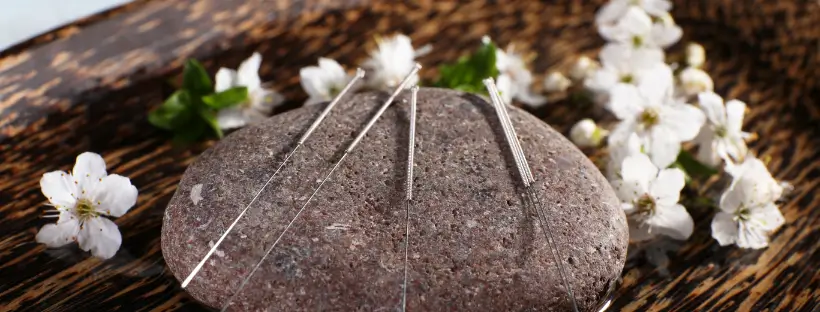
Dry needling has emerged as a powerful and effective treatment for musculoskeletal pain and dysfunction. Its basis in modern anatomical and physiological research provides a robust framework for understanding its mechanisms and benefits. By targeting specific trigger points within the muscle tissue, dry needling offers significant relief from pain, improves muscle function, and promotes overall healing, aligning well with holistic health principles by addressing the root causes of discomfort and supporting the body’s natural healing processes.
This technique, distinguished from acupuncture by its focus and approach, has proven to be a valuable addition to the arsenal of treatments available to physical therapists and other healthcare professionals. The detailed procedure, from pre-treatment assessment to post-treatment care, ensures that each session is tailored to the individual needs of the patient, maximizing therapeutic outcomes and supporting long-term health. This personalized approach embodies the essence of holistic health by considering the entire well-being of the patient, rather than just isolated symptoms.
For those suffering from chronic pain or recovering from injuries, dry needling presents a promising option. By working with qualified professionals and following a comprehensive treatment plan, patients can experience significant improvements in their quality of life. As our understanding of this technique continues to evolve, its role in pain management and physical therapy is likely to expand, offering hope and relief to many more individuals. Integrating dry needling within a holistic health framework ensures that patients receive comprehensive care that fosters overall wellness and sustainable health benefits.