
7 Best Clean Organic Skincare Brands (No Greenwashing, No Toxins)
The skincare aisle is crowded with labels — “organic,” ,”natural”, “eco,” “green,” “pure.” It sounds reassuring, but these words don’t guarantee clean ingredients.
Even certified organic products can legally include synthetic preservatives, hidden fragrance, or fillers that may trigger irritation, dryness, breakouts, premature aging, hormone disruption, or long-term barrier damage.
That’s why finding formulas that are both organic and truly clean can feel overwhelming.
The good news? Some brands are transparent about every ingredient, back their claims with third-party certifications, and avoid the shortcuts that lead to greenwashing.
This guide highlights the 7 clean organic skincare brands in 2025 that deliver on their promises — toxin-free, transparent, and worth your trust.
🔑 Quick Summary
— Most organic skincare still hides irritants in the 5–30% non-organic loophole.
— Organic doesn’t mean chemical-free — legally, up to 30% of the formula can be synthetic (preservatives, fillers, or fragrance) that may cause irritation or build up risks linked to hormone disruption and barrier damage over time.
— Clean means transparent INCI lists, third-party certifications, and no synthetic fragrance — and cruelty-free at every stage of production.
— The safest brands combine organic farming standards with toxin-free formulations — and pair that with ethical commitments like cruelty-free testing policies.
— Glass, refillable, and recyclable packaging shows true sustainability beyond ingredients.
— These 7 brands go beyond greenwashing and set the bar for clean organic skincare in 2025.
Disclosure: The information in this article is for educational purposes only and is not medical advice. Skincare reactions vary from person to person. Always patch-test new products and consult a licensed dermatologist or healthcare professional if you have concerns about your skin. If you make a purchase through the links provided, I may earn a small commission at no additional cost to you.
Quick Select
| Brand Name | Highlights | Pros | Cons | Price | Best For |
|---|---|---|---|---|---|
| Inlight Beauty | 100% certified organic, waterless formulas | Ultra-pure, luxurious balms, long-lasting jars | High cost, heavy glass packaging less travel-friendly | From $73 | Best for 100% purity and uncompromising standards |
| Dr. Alkaitis | Handmade, edible-grade organic skincare | 100% organic purity, highly nourishing, trusted for decades | Expensive, glass packaging heavier for travel | From $72 | Best for raw, living plant-based skincare |
| Josh Rosebrook | Organic, wildcrafted formulas with full transparency | Plumps and hydrates, light herbal scent, eco-conscious | Contains essential oils, price high for subtle results | From $40 | Best for transparency and herbal actives |
| Annmarie Skin Care | Wildcrafted, organic, toxin-free botanicals | Truly clean ingredients, softens and nourishes skin, eco-conscious | Premium pricing, natural scent may be noticeable | From $70 | Best for wildcrafted luxury skincare |
| Pai Skincare | Certified organic, sensitive-skin focused formulations | Gentle, barrier-supportive, transparent ingredient lists | Uses approved preservatives in water-based products | From $32 | Best for sensitive and reactive skin |
| OSEA Malibu | Vegan seaweed skincare with organic botanicals | Hydrates deeply, barrier-supportive, clean packaging | Premium cost, some formulas feel rich for oily skin | From $48 | Best for vegan, ocean-inspired hydration |
| True Botanicals | Certified organic botanicals with full ingredient transparency | Non-toxic formulas, MADE SAFE® certified, clear INCI disclosure | Higher price point than conventional skincare, some formulas contain essential oils | From $45 | Best for certified clean beauty with maximum transparency |
Organic Skincare vs Clean Skincare: What’s the Difference?
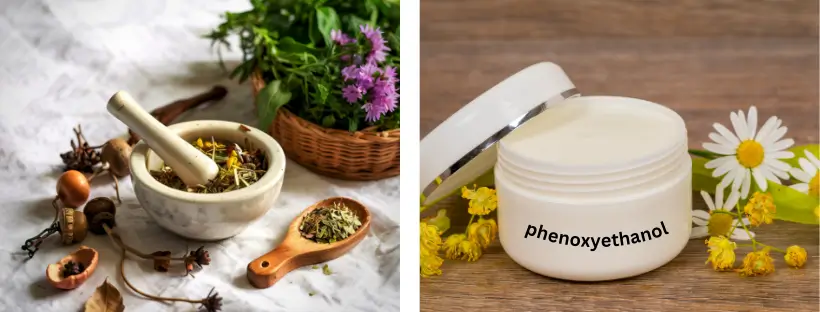
When you see the word organic on a skincare label, it’s easy to assume the entire formula is pure, plant-based, and safe. But in reality, organic certifications are about farming standards — not necessarily about whether the finished product is free from harmful or irritating chemicals.
Under USDA and COSMOS rules, a formula labeled “organic” can contain anywhere from 70% to 95% certified organic ingredients. The remaining percentage often leaves room for synthetic preservatives, emulsifiers, or stabilizers that don’t meet clean beauty standards. This is where many brands slip in toxic ingredients like phenoxyethanol, undisclosed fragrance blends, or PEGs — all while keeping their organic label.
This doesn’t mean organic skincare has no value. It simply means that organic alone isn’t enough. Some brands lean heavily on the green image of organic farming, but their finished products still rely on the same shortcuts as conventional beauty. That’s not organic purity — that’s greenwashing.
The difference between organic skincare and clean organic skincare comes down to transparency and safety. Organic tells you how an ingredient was grown. Clean tells you whether the formula avoids known toxins and is actually safe for long-term skin health. For truly non-toxic skincare, you need both.
The Sneaky 5–30%: Ingredients to Watch Out For
Can organic products still be toxic? Unfortunately, yes.
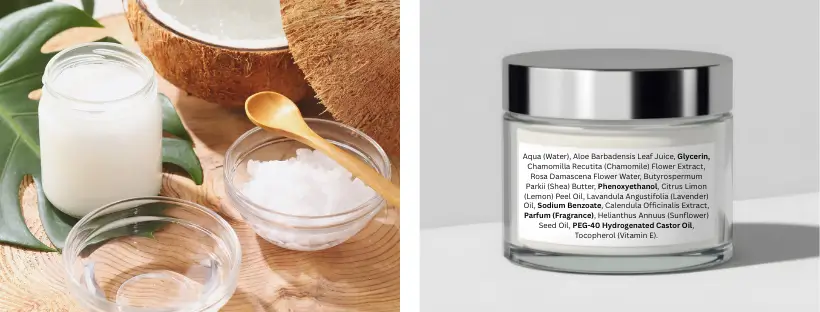
Here’s the loophole: an “organic” skincare product doesn’t have to be 100% organic. Under USDA rules and COSMOS rules, as little as 70% of the formula must be certified organic for it to carry an organic label. That leaves up to 30% for synthetics or irritants that undermine the whole point of going organic.
The most common offenders include:
- Phenoxyethanol – a preservative linked to irritation and potential nervous system effects in higher concentrations.
- Fragrance (or parfum) – a legal black box that can hide hundreds of undisclosed chemicals.
- Sodium benzoate – technically allowed in organic products but can form benzene (a carcinogen) when combined with vitamin C.
- Drying alcohols (alcohol denat., ethanol, isopropyl) – strip the skin barrier and worsen sensitivity.
- Adulterated essential oils – even “natural” oils like lavender, citrus, tea tree, or eucalyptus are often oxidized, low-quality, or mixed with solvents to cut costs. On paper they look organic, but in reality, they can be highly irritating and destabilizing to reactive skin.
The problem isn’t the organic part — it’s the toxic ingredients hidden in that 5–30% loophole. Brands can still call themselves organic while relying on preservatives, synthetics, or adulterated botanicals that inflame the skin barrier.
That’s why “organic” doesn’t always mean safe. The cleanest formulas are both organic and non-toxic — with full transparency about every ingredient, not just the organic percentage.
What to Look for in Truly Clean & Organic Skincare
Shopping for organic skincare should be simple, but labels are often misleading. A product can be “organic” without being fully non-toxic, and “clean” without being regulated. To cut through the greenwashing, here’s what really matters when evaluating a brand:
Organic Content (%)
Check how much of the formula is actually certified organic or wildcrafted. Look for the highest possible percentage — ideally close to 100% — rather than the minimum 70% required by USDA or COSMOS standards.
Third-Party Certifications
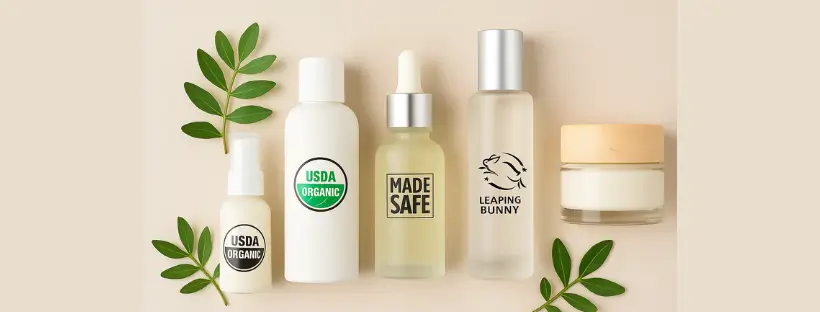
Trust comes from independent seals, not marketing claims. Meaningful certifications include USDA Organic, COSMOS, ECOCERT, MADE SAFE®, Vegan Society, and Leaping Bunny. These show a brand is accountable to strict standards.
Ingredient Sourcing
Pay attention to where ingredients come from. The cleanest brands use certified organic, wildcrafted, or biodynamic botanicals, often with transparent supply chains and sustainable farming practices.
Waterless or Minimalist Formulation
Oil-based or low-water products reduce the need for preservatives and deliver higher potency. When water is included, it should be paired with safe, approved preservation methods.
Preservatives & Shelf Stability
All skincare needs preservation, but many “organic” labels still allow harsh synthetics. Truly clean brands stay safe by going waterless (so bacteria can’t grow) or by using gentle options like ferments and plant antioxidants — instead of loophole preservatives like phenoxyethanol. ECOCERT permits a few synthetics in very small amounts (usually under 1%) for safety reasons, but the best brands avoid even those whenever possible.
Fragrance Policy
One of the biggest loopholes in beauty. If you see “fragrance” or “parfum” on the label, that’s a red flag — it can hide hundreds of chemicals. The cleanest products are fragrance-free or use only fully disclosed botanical extracts.
INCI Transparency
The ingredient list (INCI) should tell the full story. Brands committed to transparency never hide behind terms like “proprietary blend” or “botanical complex.”
Vegan Policy
Check whether a brand is fully vegan or if some products contain beeswax, honey, or milk-derived ingredients. The most trustworthy brands clearly label exceptions.
Cruelty-Free Certification
A cruelty-free logo isn’t enough — it should come from a recognized body like Leaping Bunny or PETA, proving no animal testing at any stage of production.
Packaging & Sustainability
Clean beauty isn’t just about what’s inside the jar. Look for glass, aluminum, recyclable or refillable packaging, and minimal plastic. Bonus points for brands that offset or eliminate plastic waste.
7 Clean Organic Skincare Brands You Can Trust in 2025
Not every organic label means safe. Some brands meet the minimum 70% organic requirement while filling the rest with preservatives, fragrance, or synthetic shortcuts. The lines below were chosen for doing it differently — transparent, certified, and free from greenwashing. They represent the kind of clean beauty swaps that help you move away from marketing fluff and toward products you can actually trust in 2025. We chose these brands based on ingredient transparency, organic certification, independent testing, and customer reviews.
1. Inlight Beauty
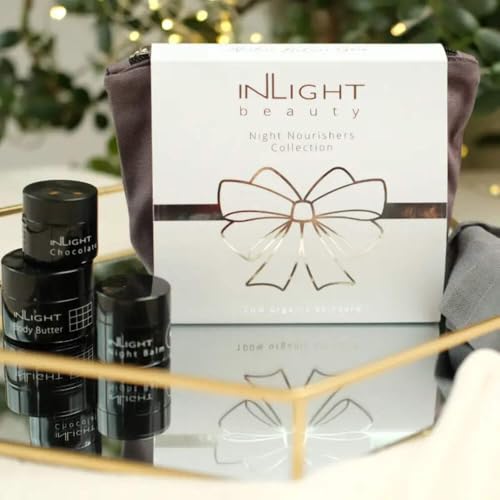
Handcrafted in Cornwall, Inlight sets the gold standard for truly clean organic skincare. Inlight Beauty delivers 100% certified organic skincare—pure botanicals, no toxins, no greenwashing.
| Organic Content (%) | 100% certified organic across the full product range |
| Third-Party Certifications | Soil Association and COSMOS Organic |
| Ingredient Sourcing | Botanicals grown on certified organic farms and ethically wildcrafted plants |
| Waterless or Minimalist Formulation | All formulas are oil-based and waterless, eliminating the need for preservatives |
| Preservatives & Shelf Stability | No synthetic preservatives; stability achieved naturally through oil-based formulations and antioxidants |
| Fragrance Policy | No synthetic fragrance; scents come only from fully disclosed plant extracts |
| INCI Transparency | Full INCI lists disclosed for every product; no hidden blends or complexes |
| Vegan | 100% vegan; no animal-derived ingredients in any formula |
| Cruelty-Free Certification | Certified cruelty-free by Leaping Bunny |
| Packaging & Sustainability | Glass jars and bottles with recyclable outer packaging; minimal plastic use |
2. Dr. Alkaitis
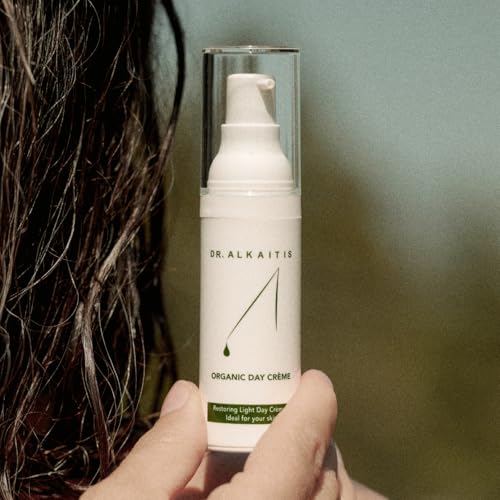
Dr. Alkaitis formulates all products from raw, living, edible-grade ingredients — nothing processed, nothing synthetic. They reject the “minimum organic %” loophole by using 100% certified organic, biodynamic, or wildcrafted botanicals. Every batch is hand-made to preserve nutrient potency.
| Organic Content (%) | Most formulas are 100% certified organic, biodynamic, or wildcrafted; some include natural but non-certified botanicals |
| Third-Party Certifications | Ingredient-level organic certifications (no single global seal across the line) |
| Ingredient Sourcing | Raw, living, edible-grade botanicals; certified organic, biodynamic, or wildcrafted |
| Waterless or Minimalist Formulation | Many oil-based or low-water products to preserve nutrient potency and reduce need for preservatives |
| Preservatives & Shelf Stability | No synthetic preservatives; stability achieved with aloe vera, herbal extracts, and natural grain alcohols |
| Fragrance Policy | No synthetic fragrance; scents come only from whole-plant ingredients |
| INCI Transparency | Full INCI ingredient lists provided; no hidden blends or complexes |
| Vegan Policy | Mostly vegan; a few products contain honey and are clearly labeled |
| Cruelty-Free Certification | Cruelty-free; no animal testing but not currently certified by Leaping Bunny or PETA |
| Packaging & Sustainability | Glass bottles and jars with recyclable materials; minimal plastic use |
3. Josh Rosebrook
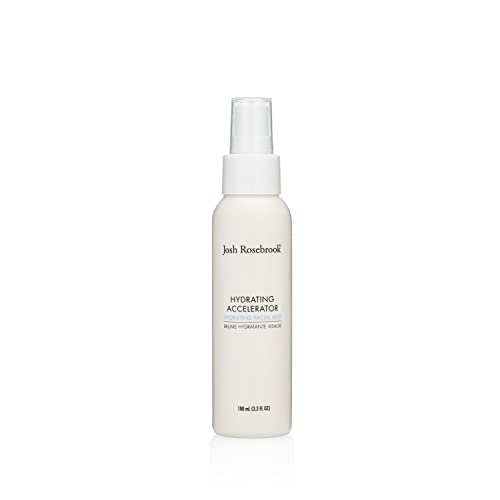
Josh Rosebrook creates organic, wildcrafted skincare with full ingredient transparency and eco-conscious packaging. Certified by MADE SAFE®, the line combines plant purity with effective, science-backed results.
| Organic Content (%) | 70–100% certified organic or wildcrafted ingredients, depending on the product |
| Third-Party Certifications | MADE SAFE® |
| Ingredient Sourcing | Certified organic and wildcrafted botanicals from ethical farms and suppliers |
| Waterless or Minimalist Formulation | Some products are oil-based and waterless; others use aloe vera or hydrosols instead of plain water |
| Preservatives & Shelf Stability | No parabens, phenoxyethanol, or PEGs; stability maintained with ECOCERT-approved preservatives |
| Fragrance Policy | No synthetic fragrance; light scent comes only from disclosed botanicals and essential oils |
| INCI Transparency | Full INCI ingredient lists disclosed for every product; no proprietary blends |
| Vegan | 100% vegan; no animal-derived ingredients |
| Cruelty-Free Certification | Certified cruelty-free by Leaping Bunny |
| Packaging & Sustainability | Glass bottles and jars with recyclable outer cartons; minimal plastic use |
4. Annmarie Skin Care

Handcrafted in small batches with organic, wildcrafted, and edible-grade ingredients. No synthetics, no greenwashing — just truly clean skincare that nourishes and protects sensitive skin.
| Organic Content (%) | 90–100% certified organic or wildcrafted ingredients, depending on the product |
| Third-Party Certifications | MADE SAFE® (select products) |
| Ingredient Sourcing | Wildcrafted, biodynamic, and certified organic botanicals sourced from trusted farms |
| Waterless or Minimalist Formulation | Many products are oil-based or low-water to increase potency and reduce preservative need |
| Preservatives & Shelf Stability | No synthetic preservatives; stability achieved with herbal extracts, aloe, and natural fermentation |
| Fragrance Policy | No synthetic fragrance; never lists “fragrance” or “parfum” on the label |
| INCI Transparency | Full INCI lists provided for all products; no proprietary blends |
| Vegan | Most products are vegan; a few contain beeswax or honey and are clearly labeled |
| Cruelty-Free Certification | Certified by Leaping Bunny; no animal testing at any stage |
| Packaging & Sustainability | Glass bottles and jars with recyclable materials; minimal use of plastic |
5. Pai Skincare

Designed specifically for sensitive and reactive skin, Pai Skincare formulates certified organic products with full ingredient transparency and no synthetic fragrance. COSMOS Organic–certified and dermatologist-approved for sensitive skin, the brand focuses on gentle, barrier-supportive formulas without relying on harsh preservatives or hidden additives.
| Organic Content (%) | 70–95% certified organic ingredients, depending on the formula |
| Third-Party Certifications | COSMOS Organic certification on select products |
| Ingredient Sourcing | Certified organic plant oils and extracts from traceable suppliers |
| Waterless or Minimalist Formulation | Includes oil-based products; some formulas contain water |
| Preservatives & Shelf Stability | No parabens, phenoxyethanol, or formaldehyde releasers; water-based products require preservation |
| Fragrance Policy | No synthetic fragrance or parfum; scent only from disclosed ingredients |
| INCI Transparency | Full INCI ingredient lists published for every product |
| Vegan | Mostly vegan; products with beeswax are clearly labeled |
| Cruelty-Free Certification | Certified cruelty-free by Leaping Bunny |
| Packaging & Sustainability | Glass bottles and recyclable packaging; FSC-certified cartons |
6. OSEA Malibu
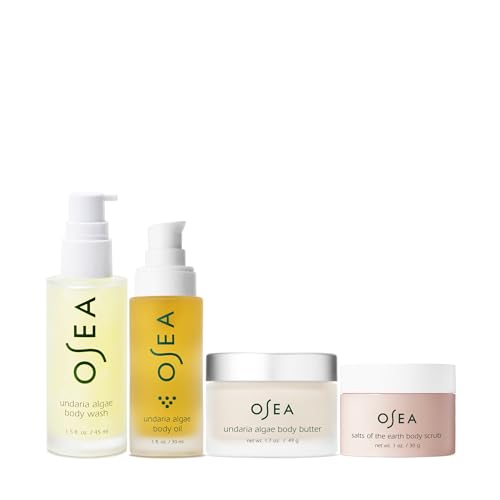
Ocean-inspired formulas combine seaweed and plant actives to hydrate and support the skin barrier. Always vegan, cruelty-free, and free from synthetic fragrance or petrochemicals.
| Organic Content (%) | Many formulas contain certified organic botanicals; percentage varies by product |
| Third-Party Certifications | Climate Neutral Certified |
| Ingredient Sourcing | Sustainably harvested seaweed combined with certified organic botanicals |
| Waterless or Minimalist Formulation | Most formulas use water for hydration; oils and balms are waterless |
| Preservatives & Shelf Stability | No parabens, PEGs, or petrochemicals; shelf stability maintained with gentle, approved preservatives |
| Fragrance Policy | No synthetic fragrance; light scent comes only from disclosed botanicals |
| INCI Transparency | Full INCI ingredient lists disclosed for every product |
| Vegan | 100% vegan; no animal-derived ingredients in any formula |
| Cruelty-Free Certification | Certified cruelty-free by Leaping Bunny |
| Packaging & Sustainability | Glass bottles and jars with recyclable outer packaging; minimal plastic use |
7. True Botanicals

True Botanicals formulates clean skincare using certified organic botanicals and rigorously screened non-toxic ingredients. Every product is MADE SAFE® certified, cruelty-free, and free from synthetic fragrance, parabens, and harsh preservatives, offering a high standard of transparency without relying on greenwashing claims.
| Organic Content (%) | Prioritizes certified organic and wild-harvested ingredients; no fixed organic percentage disclosed |
| Third-Party Certifications | MADE SAFE® certification on every product for ingredient safety, plus vegan and cruelty-free seals |
| Ingredient Sourcing | Ethically sources plant-derived, vegan ingredients with traceability and sustainable cultivation practices |
| Waterless or Minimalist Formulation | Includes oil-based and plant extract-rich formulas; some products use water with safe preservation systems |
| Preservatives & Shelf Stability | No harsh synthetics; safe preservatives consistent with MADE SAFE® standards when water is present |
| Fragrance Policy | No synthetic fragrance; scents come from disclosed botanicals and essential oils |
| INCI Transparency | Full INCI ingredient lists published for every product; no undisclosed blends |
| Vegan | Certified vegan; no animal-derived ingredients in certified products |
| Cruelty-Free Certification | Certified cruelty-free by Leaping Bunny and PETA; no animal testing |
| Packaging & Sustainability | Uses recyclable materials such as glass and aluminum; some plastic components may remain in pumps/caps |
Final Thoughts

An organic label doesn’t guarantee safe skincare.
Many products still rely on preservatives, hidden fragrance, or synthetic fillers that work against long-term skin health. The real difference lies in transparency — clear INCI lists, trusted third-party certifications, and formulas that deliberately avoid common irritants.
The seven brands highlighted here meet that standard. They combine organic sourcing with non-toxic formulation choices and close the loopholes that allow greenwashing to thrive.
Those same principles also apply at a smaller scale. It’s entirely possible to build a clean skincare routine under $60 using fewer products and biologically respectful formulas — without compromising ingredient safety or skin barrier health.
At the same time, these brands reflect a wider shift already underway. Waterless formulations, minimalist routines, microbiome-supportive products, and low-waste packaging are shaping the next phase of non-toxic skincare, explored in depth in clean beauty innovations reshaping skincare in 2026.
Every time consumers choose transparency over marketing language, they raise the standard for the entire industry. That demand is what puts better products on shelves — and ultimately defines the future of clean beauty.
