
13 Simple Non-Toxic Kitchen Swaps for a Healthier Home
Disclosure: The information provided is for educational purposes only and not intended as medical advice. Consult a healthcare professional before making any changes to your health routine. If you make a purchase through the links provided, I may earn a small commission at no additional cost to you.
Your kitchen may be harboring hidden toxins, from non-stick pans to plastic containers. These everyday items can release harmful chemicals into your food and environment. The solution? Simple, non-toxic swaps. By switching to safer alternatives like stainless steel cookware, glass storage, and natural cleaning solutions, you can create a healthier kitchen for both you and the planet. Let’s dive into these easy changes that make a big difference.
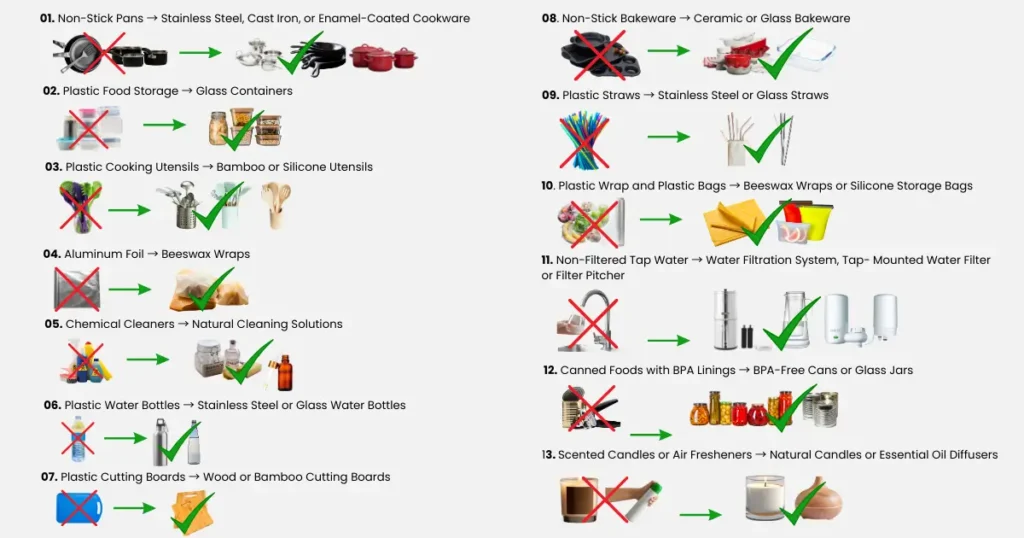
- 1. Non-Stick Pans → Stainless Steel, Cast Iron, or Enamel-Coated Cookware
- 2. Plastic Food Storage → Glass Containers
- 3. Plastic Cooking Utensils → Bamboo or Silicone Utensils
- 4. Aluminum Foil → Beeswax Wraps
- 5. Chemical Cleaners → Natural Cleaning Solutions
- 6. Plastic Water Bottles → Stainless Steel or Glass Water Bottles
- 7. Plastic Cutting Boards → Wood or Bamboo Cutting Boards
- 8. Non-Stick Bakeware → Ceramic or Glass Bakeware
- 9. Plastic Straws → Stainless Steel or Glass Straws
- 10. Plastic Wrap and Plastic Bags → Beeswax Wraps or Silicone Storage Bags
- 11. Non-Filtered Tap Water → Water Filtration System, Tap- Mounted Water Filter or Filter Pitcher
- 12. Canned Foods with BPA Linings → BPA-Free Cans or Glass Jars
- 13. Scented Candles or Air Fresheners → Natural Candles or Essential Oil Diffusers
- Final Thoughts
1. Non-Stick Pans → Stainless Steel, Cast Iron, or Enamel-Coated Cookware
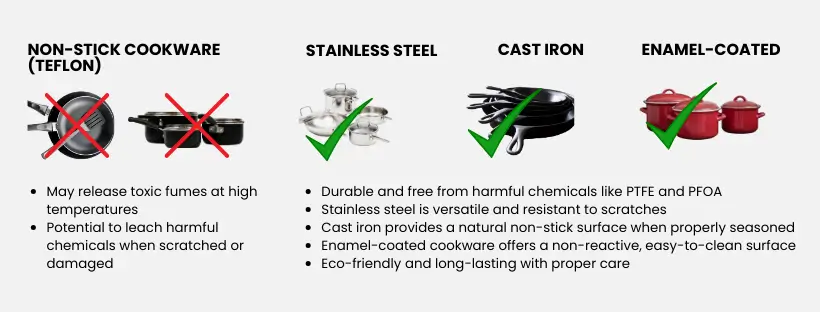
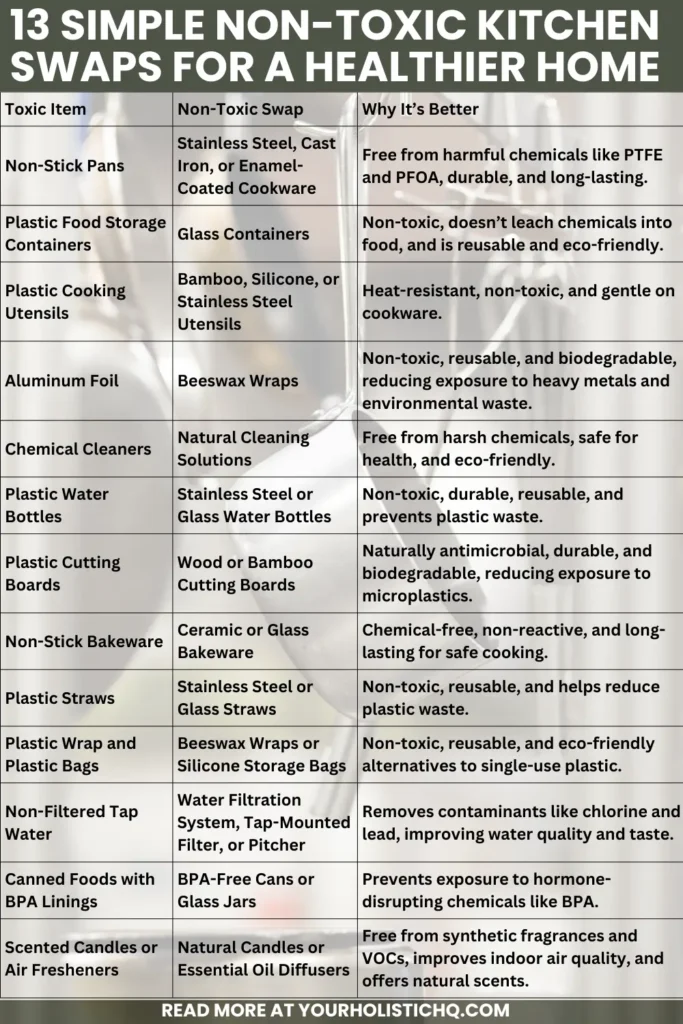
Non-stick pans may seem convenient, but they often come with hidden risks. Many are coated with chemicals like PTFE (commonly known as Teflon), which can release toxic fumes when heated to high temperatures. These fumes can be harmful when inhaled and have been linked to long-term health concerns. Even newer non-stick pans that are PFOA-free may still contain other chemical coatings that can break down over time, especially when scratched or overheated.
A safer alternative is stainless steel, cast iron, or enamel-coated cookware. Stainless steel pans are highly durable, resistant to scratching, and free from harmful chemicals. While they may require a bit of practice to prevent sticking, they are highly effective when preheated and properly oiled. Cast iron, when seasoned correctly, offers a naturally non-stick surface and adds trace amounts of iron to your food, making it a healthy, long-lasting choice. Enamel-coated cookware provides an additional non-toxic option. The smooth, glass-like surface fused to metal is non-reactive and doesn’t release chemicals, even at high temperatures, making it ideal for various cooking tasks.
In addition to health benefits, stainless steel, cast iron, and enamel-coated cookware are eco-friendly and long-lasting. Unlike non-stick pans that often need replacing as their coatings degrade, these alternatives can last for decades with proper care. They’re sustainable, durable, and a better investment for both your health and the environment.
2. Plastic Food Storage → Glass Containers
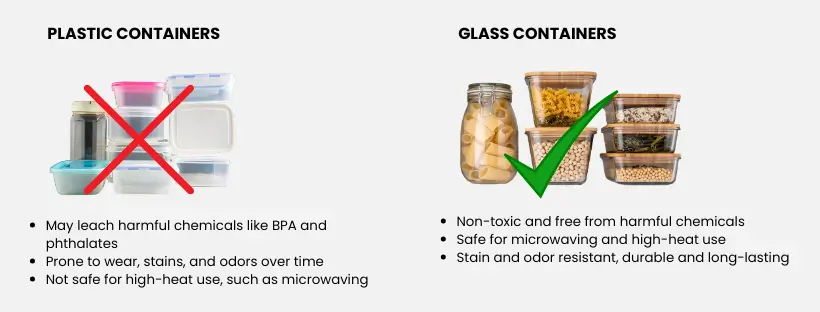
Plastic food storage containers may seem practical, but many contain harmful chemicals like BPA and phthalates, which can leach into your food—especially when exposed to heat. When microwaving or storing hot leftovers in plastic, these chemicals can break down and transfer into the food, potentially affecting hormone balance and overall health. Even BPA-free plastics aren’t entirely risk-free, as they may contain other chemicals with similar harmful effects.
Switching to glass containers is a safer and healthier option. Glass is non-reactive, meaning it won’t release any chemicals into your food, regardless of temperature. Whether you’re storing leftovers, reheating meals, or prepping food in advance, glass containers provide a toxin-free environment. They also retain the freshness and taste of your food without absorbing stains or odors, unlike plastic, which often discolors and retains smells over time.
In addition to being non-toxic, glass containers are more durable and eco-friendly. They are reusable for years, reducing the need for single-use plastic containers that contribute to environmental waste. Most glass containers are also microwave, oven, and dishwasher safe, offering convenience and versatility while keeping your kitchen free from harmful chemicals.
3. Plastic Cooking Utensils → Bamboo or Silicone Utensils
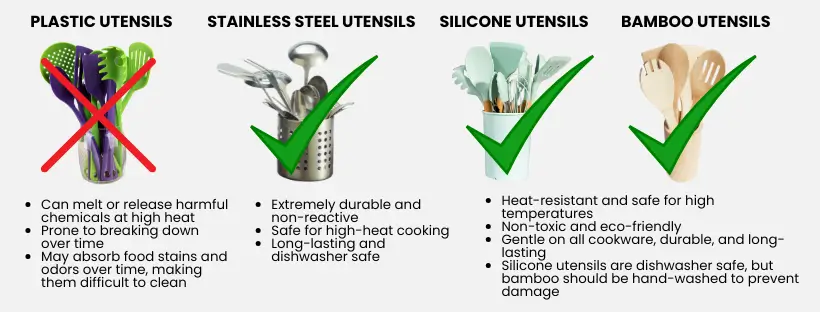
Plastic cooking utensils may seem convenient, but they can pose health risks, especially when used with high-heat cooking. Plastics can break down and release harmful chemicals like BPA, phthalates, or even microplastics into your food over time, particularly when exposed to high temperatures. These chemicals have been linked to various health concerns, including hormone disruption and toxic buildup in the body.
Bamboo utensils are a natural, eco-friendly alternative. Bamboo is a highly renewable resource and offers durability without the risk of leaching harmful chemicals. Bamboo utensils are heat-resistant, lightweight, and gentle on cookware, making them ideal for everyday cooking. Plus, they are naturally antimicrobial, adding an extra layer of hygiene to your kitchen tools.
Silicone utensils, made from food-grade silicone, are another excellent non-toxic option. They are flexible, heat-resistant, and safe to use with both high and low temperatures without melting or releasing toxins. Silicone is also gentle on non-stick cookware and cast iron, ensuring longevity for your pots and pans. By switching to bamboo or silicone utensils, you not only safeguard your health but also make a more sustainable choice for the planet.
4. Aluminum Foil → Beeswax Wraps
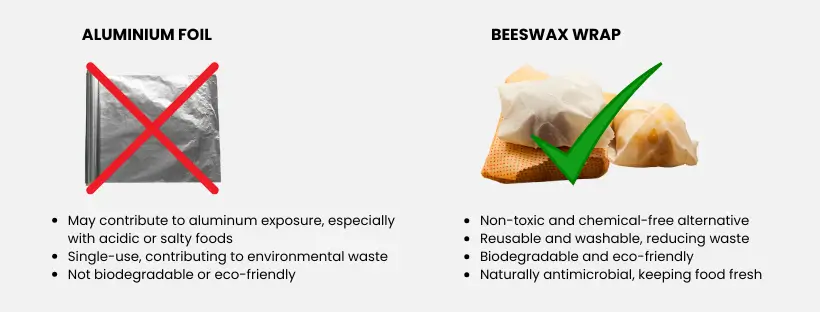
Aluminum foil is a staple in many kitchens, but it comes with potential health risks, especially when it comes into contact with acidic or salty foods. Aluminum can leach into your food, increasing the risk of exposure to heavy metals, which have been linked to neurotoxicity and other health concerns. While aluminum foil is convenient for food storage or cooking, long-term exposure to aluminum has raised enough concerns to encourage safer alternatives.
Beeswax wraps are a non-toxic, sustainable alternative to aluminum foil. Made from organic cotton coated with beeswax, jojoba oil, and tree resin, these wraps are reusable and naturally antimicrobial. They are perfect for wrapping sandwiches, covering bowls, or storing fruits and vegetables, offering a breathable yet protective barrier that keeps food fresh without the use of harmful chemicals. Unlike aluminum foil, beeswax wraps do not react with your food, ensuring that what you eat remains safe and chemical-free.
In addition to being healthier, beeswax wraps are an eco-friendly choice. They can be used multiple times and, at the end of their life cycle, are biodegradable and compostable, significantly reducing kitchen waste. This simple swap not only minimizes your exposure to toxins but also contributes to a more sustainable, zero-waste lifestyle.
5. Chemical Cleaners → Natural Cleaning Solutions
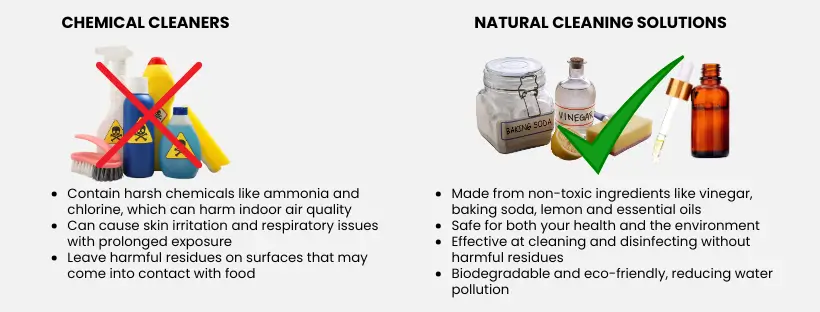
Many chemical cleaners contain harmful substances like ammonia, chlorine, and phthalates that can negatively impact indoor air quality and potentially cause respiratory issues, skin irritation, and other health problems. When used regularly, these harsh chemicals can leave behind residues on surfaces, especially in areas where food is prepared, increasing the risk of indirect ingestion of these toxins. Additionally, the environmental impact of chemical cleaners, which often contain non-biodegradable substances, further adds to the problem.
Switching to natural cleaning solutions is a safer and healthier alternative. Simple ingredients like vinegar, baking soda, and lemon juice are highly effective for cleaning and disinfecting surfaces without introducing harmful toxins into your kitchen. For instance, vinegar is an excellent disinfectant, while baking soda works well for scrubbing and deodorizing. Lemon juice provides natural antibacterial properties and leaves a fresh scent, making it a versatile cleaner for cutting boards, countertops, and appliances.
By opting for natural cleaning solutions, you not only protect your health but also reduce environmental harm. These alternatives are biodegradable and safe for water systems, unlike many chemical cleaners that can contribute to water pollution. Making this swap ensures that your kitchen stays clean and toxin-free while minimizing your ecological footprint.
Here’s a simple and effective recipe for Natural All-Purpose Cleaning Solution that you can use in your kitchen:
Ingredients:
- 1 cup white vinegar
- 1 cup water
- 2 tablespoons baking soda
- 10-15 drops of essential oil (optional for scent) – recommended oils include:
- Tea tree (antibacterial, antifungal)
- Lemon (degreasing and fresh scent)
- Lavender (antimicrobial and calming scent)
- Peppermint (antibacterial and refreshing)
Instructions:
- In a spray bottle, add 1 cup of white vinegar and 1 cup of water. Vinegar is a powerful natural cleaner that helps disinfect surfaces and cut through grease.
- Slowly add 2 tablespoons of baking soda. It will fizz at first, so add it gradually to prevent overflowing. Baking soda is an excellent deodorizer and mild abrasive, making it perfect for tough stains and grime.
- If you’d like to add scent or boost the cleaning power, add 10-15 drops of your preferred essential oil. Tea tree and lemon oils are especially good for cleaning due to their antibacterial properties.
- Shake the bottle gently to mix the ingredients.
- Spray onto surfaces, including countertops, stovetops, and sinks. Wipe clean with a cloth or sponge.
Usage Tips:
- This natural cleaner is great for daily cleaning in the kitchen and bathroom. However, avoid using it on stone countertops (like granite or marble), as the vinegar can damage the stone.
- For tougher stains, let the solution sit for a few minutes before scrubbing and wiping clean.
- When choosing essential oils, opt for essential oil brands you can trust, like Plant Therapy, doTERRA, or Aura Cacia, to ensure you’re using non-toxic, pure and safe oils in your cleaning solution.
This DIY cleaner is non-toxic, effective, and eco-friendly—perfect for a chemical-free home!
6. Plastic Water Bottles → Stainless Steel or Glass Water Bottles
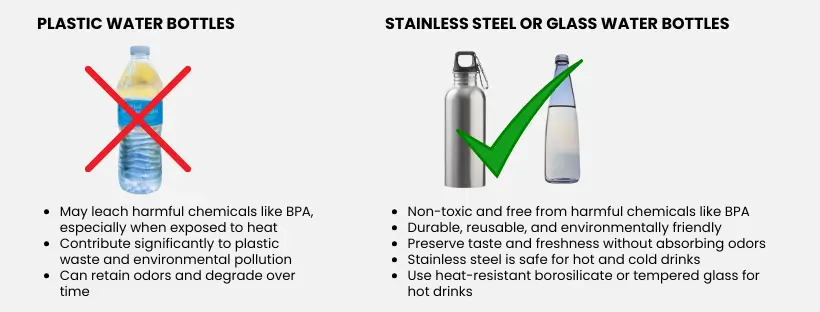
Plastic water bottles are convenient, but they come with hidden risks. Many plastic bottles contain chemicals like BPA and other endocrine disruptors that can leach into water, especially when exposed to heat or prolonged use. Even BPA-free plastics can pose health risks, as they often contain other potentially harmful chemicals. Over time, these plastics can degrade, releasing microplastics that not only affect your health but also contribute to environmental pollution.
Switching to stainless steel or glass water bottles is a much safer and more sustainable choice. Stainless steel bottles are highly durable, non-toxic, and resistant to rust or corrosion. They are insulated, keeping drinks hot or cold for extended periods, making them perfect for daily use. Glass water bottles, on the other hand, are naturally free of chemicals, won’t leach into your water, and preserve the taste and freshness of your beverage without absorbing odors.
Beyond health benefits, stainless steel and glass water bottles help reduce plastic waste. Plastic water bottles are a significant contributor to environmental pollution, with millions of bottles ending up in landfills and oceans every year. Reusable stainless steel or glass bottles last for years, promoting a more eco-friendly lifestyle while keeping you hydrated without exposure to toxins.
7. Plastic Cutting Boards → Wood or Bamboo Cutting Boards
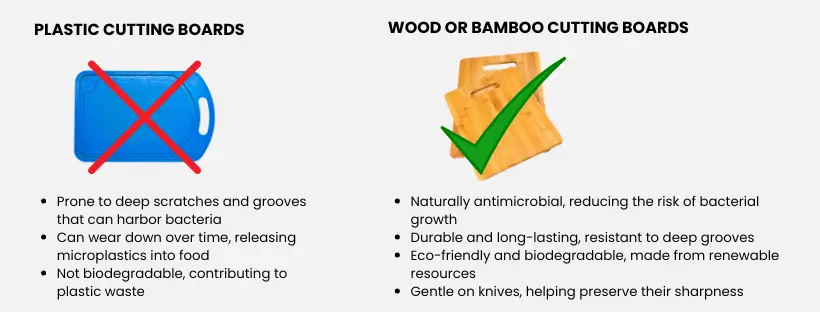
Plastic cutting boards may seem practical, but over time, they can develop deep grooves that trap bacteria and tiny plastic particles, which can end up in your food. When used regularly, plastic cutting boards also tend to wear down, increasing the release of microplastics into your meals. Moreover, plastic cutting boards can warp or degrade when exposed to heat or dishwashing, making them less durable and hygienic.
Switching to wood or bamboo cutting boards offers a safer and more sustainable option. Wood cutting boards, especially those made from hardwoods like maple or walnut, are naturally antimicrobial, meaning they can resist bacteria growth better than plastic. Wood is also more forgiving on your knives, helping to preserve their sharpness over time. Bamboo cutting boards are lightweight, durable, and eco-friendly, as bamboo is a fast-growing, renewable resource. Both wood and bamboo boards are less prone to deep grooves, making them easier to clean and maintain.
Not only do wood and bamboo cutting boards last longer than plastic alternatives, but they are also biodegradable and sustainable. Choosing these natural materials helps reduce plastic waste and minimizes your exposure to harmful chemicals, making your kitchen a healthier, more eco-conscious space. With proper care—like regular oiling to prevent cracking—wood and bamboo cutting boards can last for years, making them a worthwhile investment.
8. Non-Stick Bakeware → Ceramic or Glass Bakeware
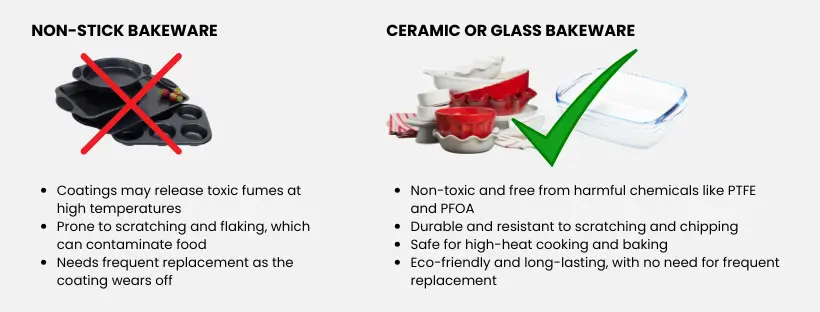
Non-stick bakeware may offer convenience, but it often contains chemical coatings, such as PTFE (Teflon), that can release toxic fumes when exposed to high temperatures. Over time, these coatings can wear off or chip, introducing harmful substances into your food. Even newer versions that are labeled as PFOA-free can still contain other chemicals that break down under heat, posing a risk to your health.
Ceramic and glass bakeware provide a much safer alternative. Ceramic bakeware offers a non-toxic, naturally non-stick surface without any harmful chemicals. It’s perfect for baking everything from casseroles to desserts while ensuring that no toxins leach into your food. Glass bakeware, another excellent option, is non-reactive and free from chemical coatings, making it safe for high-heat cooking. Both ceramic and glass are highly durable and retain heat well, providing even cooking results.
Beyond health benefits, ceramic and glass bakeware are long-lasting and eco-friendly. Unlike non-stick pans that may need frequent replacement, these materials can last for decades with proper care. Additionally, they are recyclable and don’t contribute to the pollution caused by the production and disposal of synthetic non-stick coatings, making them a sustainable choice for any kitchen.
9. Plastic Straws → Stainless Steel or Glass Straws
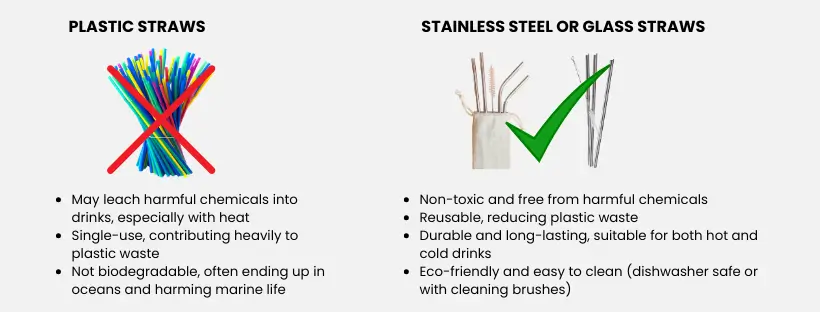
Plastic straws are a common source of single-use waste, and they also pose risks to your health. When exposed to heat or prolonged use, plastic straws can release chemicals like BPA and microplastics, which may find their way into your beverages. Moreover, they contribute significantly to environmental pollution, taking hundreds of years to decompose and often ending up in oceans, harming marine life.
Switching to stainless steel straws or glass straws is a simple, non-toxic alternative. Stainless steel straws are durable, reusable, and easy to clean, making them a long-lasting choice for both cold and hot drinks. They won’t rust or break down over time and offer a sleek, modern look. Glass straws, on the other hand, provide a clear, non-toxic option that is also easy to clean and offers a visually appealing way to enjoy your drinks. Both options are BPA-free and safe, eliminating the need for disposable plastic.
In addition to health benefits, stainless steel and glass straws are an eco-friendly solution that helps reduce plastic waste. Reusable straws cut down on the millions of plastic straws used daily and are easy to carry on the go. They are dishwasher safe and come with cleaning brushes for convenience, making them a perfect way to enjoy your beverages while supporting a more sustainable lifestyle.
10. Plastic Wrap and Plastic Bags → Beeswax Wraps or Silicone Storage Bags
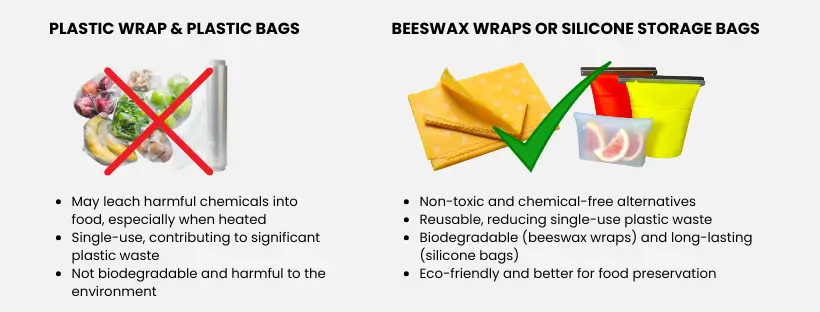
Plastic wrap and plastic bags are common kitchen staples, but they pose significant health and environmental risks. Many plastics contain chemicals like BPA and phthalates, which can leach into food, especially when heated or used to store acidic or fatty foods. Over time, these chemicals have been linked to hormone disruption and other health concerns. Moreover, plastic wrap and bags are single-use items, contributing heavily to plastic pollution, as they take hundreds of years to decompose.
A healthier and more eco-friendly alternative is using beeswax wraps or reusable silicone storage bags. Beeswax wraps, made from organic cotton infused with beeswax, jojoba oil, and tree resin, are perfect for wrapping fruits, vegetables, sandwiches, or covering bowls. These wraps are breathable, antimicrobial, and can be reused for up to a year, making them an ideal replacement for plastic wrap. They can be washed and reshaped to fit various containers or foods, and at the end of their life cycle, they are compostable.
Reusable silicone storage bags are another excellent substitute for plastic bags. Made from food-grade silicone, these bags are safe for the freezer, microwave, and dishwasher, offering a versatile, durable solution that eliminates the need for single-use plastic. They are ideal for storing liquids, snacks, and leftovers, without the risk of leaching chemicals into your food. Both beeswax wraps and silicone bags not only protect your health but also contribute to reducing plastic waste in the environment, promoting a sustainable kitchen.
11. Non-Filtered Tap Water → Water Filtration System, Tap- Mounted Water Filter or Filter Pitcher
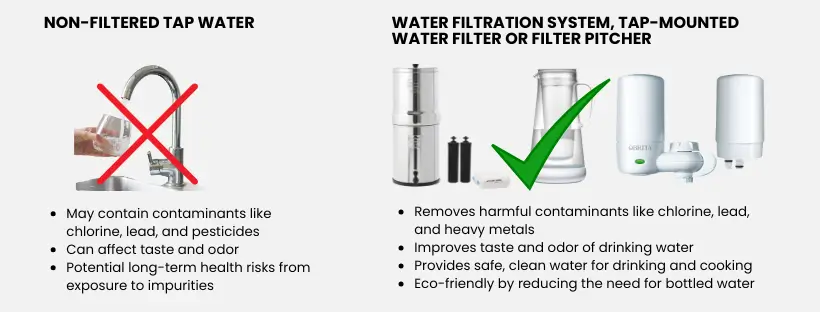
Tap water, while treated to meet safety standards, can still contain contaminants such as chlorine, lead, pesticides, and other chemicals depending on your local water supply. Even trace amounts of these substances can accumulate in the body over time, potentially impacting your health. For those living in older homes, lead from outdated plumbing is another concern. Relying solely on non-filtered tap water means regular exposure to these potential toxins with every sip.
Switching to a water filtration system, filter pitcher, or tap-mounted filter is a simple, effective way to ensure cleaner, safer drinking water. Whole-house filtration systems are the most comprehensive option, removing a broad range of contaminants from all water sources in your home, ensuring the water you drink, cook with, and even bathe in is free from harmful substances. If a whole-house system isn’t feasible, tap-mounted filters are an affordable and convenient alternative, filtering water directly at the source. These systems can remove common contaminants like chlorine, lead, and mercury, offering instant access to filtered water for cooking and drinking. If you prefer portability, a filter pitcher is another effective solution, easy to use and requiring only occasional filter replacements.
Using any of these filtration systems not only protects your health by reducing exposure to harmful chemicals, but it also enhances the taste and odor of your water. Filtered water is fresher, cleaner, and free from the unpleasant smells often caused by chlorine or other chemicals. Additionally, it’s an eco-friendly choice, reducing reliance on bottled water and helping to cut down on plastic waste—supporting a more sustainable lifestyle.
12. Canned Foods with BPA Linings → BPA-Free Cans or Glass Jars
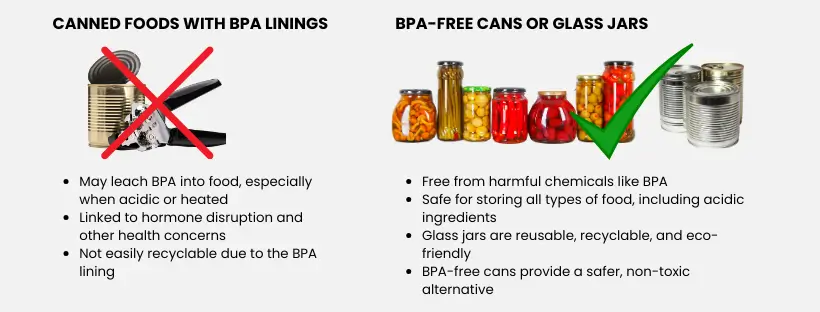
Many canned foods contain a lining made with Bisphenol A (BPA), a chemical that can leach into the food, especially when stored for long periods or when exposed to heat. BPA is known to disrupt hormones and has been linked to various health concerns, including reproductive issues, heart disease, and certain cancers. Unfortunately, most canned goods—such as vegetables, soups, and even some beverages—are lined with BPA, making it a hidden source of toxin exposure.
Switching to BPA-free cans or glass jars is a safer choice for your health. Many food manufacturers now offer BPA-free canned products, clearly labeled for consumer awareness. These alternatives use safer materials for the linings without compromising food safety. However, to be extra cautious, opting for products stored in glass jars is even better. Glass is completely non-toxic, non-reactive, and free from harmful chemicals like BPA, ensuring that your food stays fresh and safe.
Glass jars also offer added benefits. Not only are they a more sustainable, reusable option, but they also provide superior taste preservation without the risk of chemical leaching. By choosing BPA-free cans or glass containers, you reduce your exposure to harmful toxins while supporting a healthier, eco-friendly lifestyle. Plus, glass packaging is recyclable and can be repurposed at home, further reducing waste.
13. Scented Candles or Air Fresheners → Natural Candles or Essential Oil Diffusers
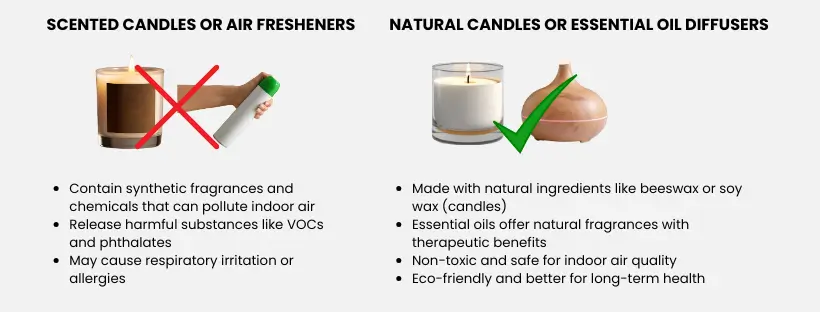
Many scented candles and air fresheners contain harmful chemicals, such as phthalates, synthetic fragrances, and volatile organic compounds (VOCs), which can pollute indoor air quality. When burned, scented candles, especially those made from paraffin wax, release toxins like benzene and toluene, both known carcinogens. Air fresheners often contain similar chemicals that can trigger respiratory issues, allergies, or even hormone disruption when inhaled over time.
A healthier alternative is switching to natural candles made from beeswax or soy and essential oil diffusers. Natural candles are free from harmful synthetic ingredients and burn cleaner, releasing no toxic chemicals into the air. Beeswax candles, in particular, have the added benefit of purifying the air by releasing negative ions that can reduce airborne allergens and pollutants. Soy candles also offer a cleaner burn and can be infused with natural, non-toxic fragrances like essential oils for a calming and pleasant scent.
Essential oil diffusers are another great option to replace synthetic air fresheners. Diffusers use water and essential oils to disperse natural fragrances into the air without harmful chemicals. Essential oils like lavender, eucalyptus, and citrus not only freshen your home but can also offer therapeutic benefits such as relaxation, improved focus, and stress relief. By using natural candles or essential oil diffusers, you can enjoy a fresh-smelling home while safeguarding your health and improving air quality.
Final Thoughts

Switching to non-toxic alternatives in your kitchen is a simple yet powerful way to protect both your health and the environment. Everyday items like non-stick pans, plastic storage containers, and chemical cleaners may seem harmless, but over time, their toxic components can accumulate in your body and contribute to environmental pollution. By making informed choices, you can eliminate many of these risks and create a safer space for cooking, eating, and living.
The swaps we’ve covered—such as using stainless steel cookware, bamboo utensils, and beeswax wraps—are practical and sustainable. These alternatives not only help you avoid harmful chemicals like BPA, phthalates, and PTFE, but they also reduce waste and promote a more eco-conscious lifestyle. Many of these items are long-lasting, meaning you’ll not only be investing in your health but also in durable, quality products that can be used for years to come.
Ultimately, transforming your kitchen into a non-toxic environment doesn’t require drastic changes. By starting with these easy swaps, you’ll take meaningful steps toward better health and sustainability. Small, intentional choices like these can have a lasting positive impact on your home, your well-being, and the planet.
