
7 ways essential oils work with your body, not against it

Most skincare, hair care, and household products hide toxic chemicals under vague labels like fragrance, a loophole that conceals hundreds of endocrine disruptors, preservatives, and synthetic additives. Parabens and phthalates interfere with hormones, petroleum-based compounds block detox pathways, and triclosan weakens immunity. These toxins don’t wash away—they absorb into the bloodstream while regulators look the other way.
Unlike synthetic chemicals, essential oils work with the body, supporting detoxification, hormonal balance, and cellular repair without toxic buildup. But many essential oils are adulterated, making purity crucial. Here’s how truly pure essential oils align with the body’s natural systems instead of disrupting them.
Disclosure: The information provided is for educational purposes only and not intended as medical advice. Consult a healthcare professional before making any changes to your health routine. If you make a purchase through the links provided, I may earn a small commission at no additional cost to you.
- 1. Scents Support the Brain’s Emotional & Stress Response
- 2. Active Plant Compounds Support Cellular Repair & Regeneration
- 3. Natural Plant Extracts Help Regulate Hormones Safely
- 4. Botanical Oils Assist the Body’s Natural Detox Process
- 5. Anti-Inflammatory Properties Reduce Chronic Inflammation
- 6. Antimicrobial Benefits Strengthen the Immune System
- 7. Bioavailable Compounds Absorb Naturally Without Toxic Build-Up
- Final Thoughts
1. Scents Support the Brain’s Emotional & Stress Response

The limbic system, responsible for emotions and memory, is directly linked to scent, making essential oils a powerful tool for mental well-being. Unlike synthetic fragrances, which can overstimulate the nervous system and contribute to anxiety, essential oils work in harmony with the brain.
Lavender, rich in linalool, enhances serotonin and GABA activity, naturally promoting relaxation. Frankincense supports cognitive function, while bergamot helps lower cortisol, reducing stress without altering brain chemistry artificially.
Essential oils also support long-term emotional balance by improving sleep, stabilizing mood, and enhancing focus. By working with neurotransmitters instead of disrupting them, they provide a natural solution for emotional health.
2. Active Plant Compounds Support Cellular Repair & Regeneration

Cells constantly regenerate and repair, but exposure to toxins, stress, and poor nutrition can slow this process. Essential oils contain bioactive compounds that enhance cell function, reduce oxidative stress, and support longevity.
Frankincense encourages cellular renewal by promoting apoptosis (natural cell turnover), while helichrysum helps repair damaged tissue. Rosemary enhances mitochondrial function, improving energy production at the cellular level.
Unlike synthetic chemicals that interfere with cellular signaling, essential oils assist in keeping cells functioning optimally. Their natural composition allows them to work in synergy with the body’s repair processes rather than against them.
3. Natural Plant Extracts Help Regulate Hormones Safely
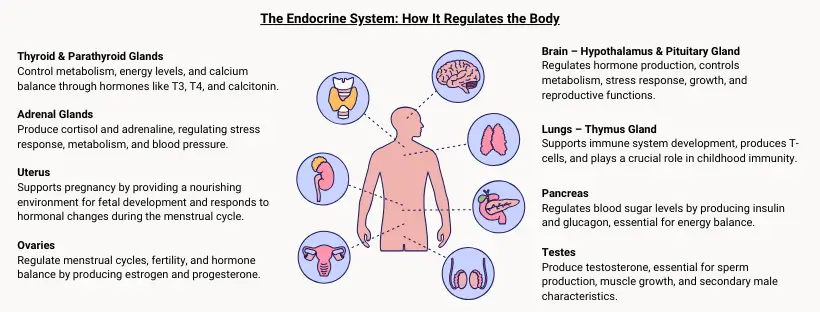
The endocrine system controls metabolism, mood, and overall health, but synthetic chemicals like parabens and phthalates disrupt hormone balance. Essential oils offer natural support for hormonal regulation without artificial interference.
Clary sage helps regulate estrogen levels, making it beneficial for menstrual health and menopause support. Myrrh supports thyroid function, while geranium promotes adrenal balance, reducing the effects of stress on the body.
Unlike synthetic hormone therapies, which can overstimulate or suppress natural hormone production, essential oils work with the body’s rhythms. This makes them a safer, plant-based option for hormonal well-being.
4. Botanical Oils Assist the Body’s Natural Detox Process

The body relies on the liver, kidneys, and lymphatic system to remove toxins, but exposure to synthetic chemicals can slow detoxification. Essential oils help support these systems, enhancing the body’s ability to cleanse itself naturally.
Lemon and grapefruit oils stimulate liver enzymes, improving toxin breakdown. Rosemary enhances circulation, promoting lymphatic drainage and cellular waste removal. Juniper berry supports kidney function, helping flush out unwanted substances.
Unlike synthetic detox products that can overwhelm the body, essential oils work gently to assist natural detox pathways. This keeps the body functioning efficiently without added stress.
5. Anti-Inflammatory Properties Reduce Chronic Inflammation

Chronic inflammation in the brain, joints, gut, and cardiovascular system can lead to long-term health issues. Essential oils contain anti-inflammatory compounds that help regulate this response without interfering with immune function.
Turmeric oil, rich in curcumin, helps balance inflammatory pathways, reducing swelling and discomfort. Copaiba interacts with the body’s endocannabinoid system to calm inflammation naturally, while frankincense modulates immune responses, preventing excessive inflammatory reactions.
Unlike synthetic anti-inflammatories that often come with side effects, essential oils support the body’s ability to manage inflammation safely, promoting long-term wellness.
6. Antimicrobial Benefits Strengthen the Immune System

The immune system protects against pathogens, but excessive use of synthetic antimicrobials can lead to resistance and imbalances. Essential oils offer a natural way to support immunity without harming beneficial bacteria.
Tea tree and oregano oils have potent antimicrobial properties that help fight harmful microbes. Thyme and eucalyptus oils support respiratory health, clearing congestion and reducing infection risk.
Unlike synthetic antibiotics that can weaken immunity over time, essential oils enhance the body’s natural defenses. They work in harmony with the immune system, providing long-term support without disrupting its balance.
7. Bioavailable Compounds Absorb Naturally Without Toxic Build-Up
The body efficiently processes essential oils because they are derived from plants, unlike synthetic chemicals that tend to accumulate in tissues over time. This makes essential oils a clean, natural alternative.
Peppermint and eucalyptus oils are quickly metabolized by the liver and excreted without leaving harmful residues. Lemon oil supports natural detoxification, helping the body eliminate waste rather than store toxins in fat cells.
Synthetic preservatives, artificial fragrances, and endocrine disruptors often build up in the body, interfering with long-term health. In contrast, essential oils work with the body’s detox pathways, ensuring clean absorption and safe elimination.
Final Thoughts

Essential oils work with the body’s natural systems, offering support rather than disruption. From balancing emotions through the limbic system to enhancing cellular function, regulating hormones, and strengthening immunity, they align with biological processes instead of interfering with them. Unlike synthetic chemicals that can create dependency or toxicity, essential oils promote well-being without harmful side effects.
Their ability to support detoxification, regulate inflammation, and absorb cleanly makes them a valuable addition to holistic health. By choosing essential oils over artificial alternatives, the body can function optimally without unnecessary strain. Research continues to confirm their role in supporting long-term wellness, reinforcing what traditional practices have known for centuries.
As awareness grows around the impact of synthetic chemicals, essential oils provide a natural, effective alternative. Their synergy with the body offers a sustainable way to enhance health while respecting its innate ability to heal and maintain balance.
